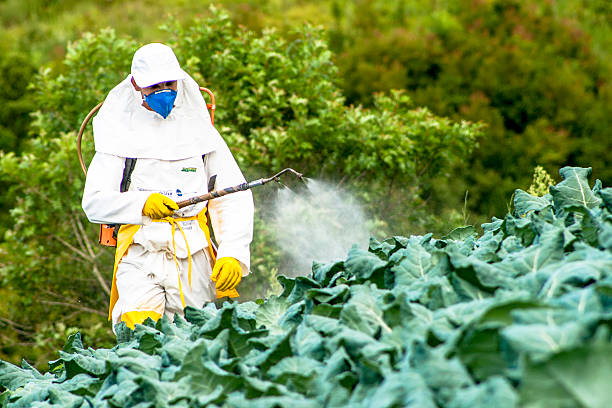



The global pest control market is projected to grow from USD 24.9 billion in 2023 to USD 32.8 billion by 2028, registering a CAGR of 5.7% during the forecast period. Growth in this market is being fueled by rising awareness of the health risks posed by pests, stricter regulations in various industries, and the increasing impact of urbanization and population density, which create favorable conditions for infestations.

Market Drivers:
- Growing recognition of pests as carriers of diseases has accelerated the adoption of preventive pest management solutions.
- Rapid urbanization and higher population densities have led to greater incidences of infestations, necessitating effective control measures.
- Technological advancements are making pest control methods more efficient, targeted, and environmentally sustainable.
Download PDF Brochure: https://www.marketsandmarkets.com/pdfdownloadNew.asp?id=144665518
By Application:
The residential segment accounted for the largest market share. Pest control in households is essential to ensure safe and comfortable living conditions. Products in this segment target common pests such as ants, cockroaches, termites, spiders, and rodents. Rising infestation levels in residential areas are driving significant growth in this category.
By Pest Type:
The insects segment dominated the market by value. Changing climates and expanding urbanization have led to a surge in global insect populations, increasing demand for pest management against bedbugs, cockroaches, mosquitoes, flies, and more. Since insects are not only a nuisance but also act as vectors for plant, animal, and human diseases, their control is critical for public health and agriculture.
By Mode of Application:
The sprays segment accounted for the largest share. Sprays are highly preferred due to their ease of use, fast action, and ability to uniformly distribute active ingredients across target areas. Their flexibility, with different nozzle designs and spray patterns, makes them effective while minimizing exposure to non-target species.
By Control Method:
The chemical segment remained dominant. Chemicals are widely adopted for their rapid effectiveness, cost-efficiency, and broad availability. They provide reliable control across varying weather conditions and pest growth stages, making them a preferred solution for immediate threats and large-scale infestations.
Request Sample Pages: https://www.marketsandmarkets.com/requestsampleNew.asp?id=144665518
Regional Insights:
North America held the largest share of the global pest control market in 2022. Growth in the region is supported by:
- Rising demand for sustainable pest management practices.
- Stringent regulations in industries like food processing, hospitality, and healthcare.
- Strong adoption of advanced, environmentally friendly pest control technologies.
Key Market Players:
Leading companies include Bayer AG (Germany), Corteva Agriscience (US), BASF SE (Germany), Sumitomo Chemical Co. Ltd. (Japan), Syngenta AG (Switzerland), Rentokil Initial plc (UK), Anticimex (Sweden), Rollins, Inc. (US), ATGC Biotech Pvt Ltd. (India), Ecolab Inc. (US), FMC Corporation (US), De Sangosse (France), Bell Laboratories (US), PelGar International (UK), and Fort Products Limited (UK).