




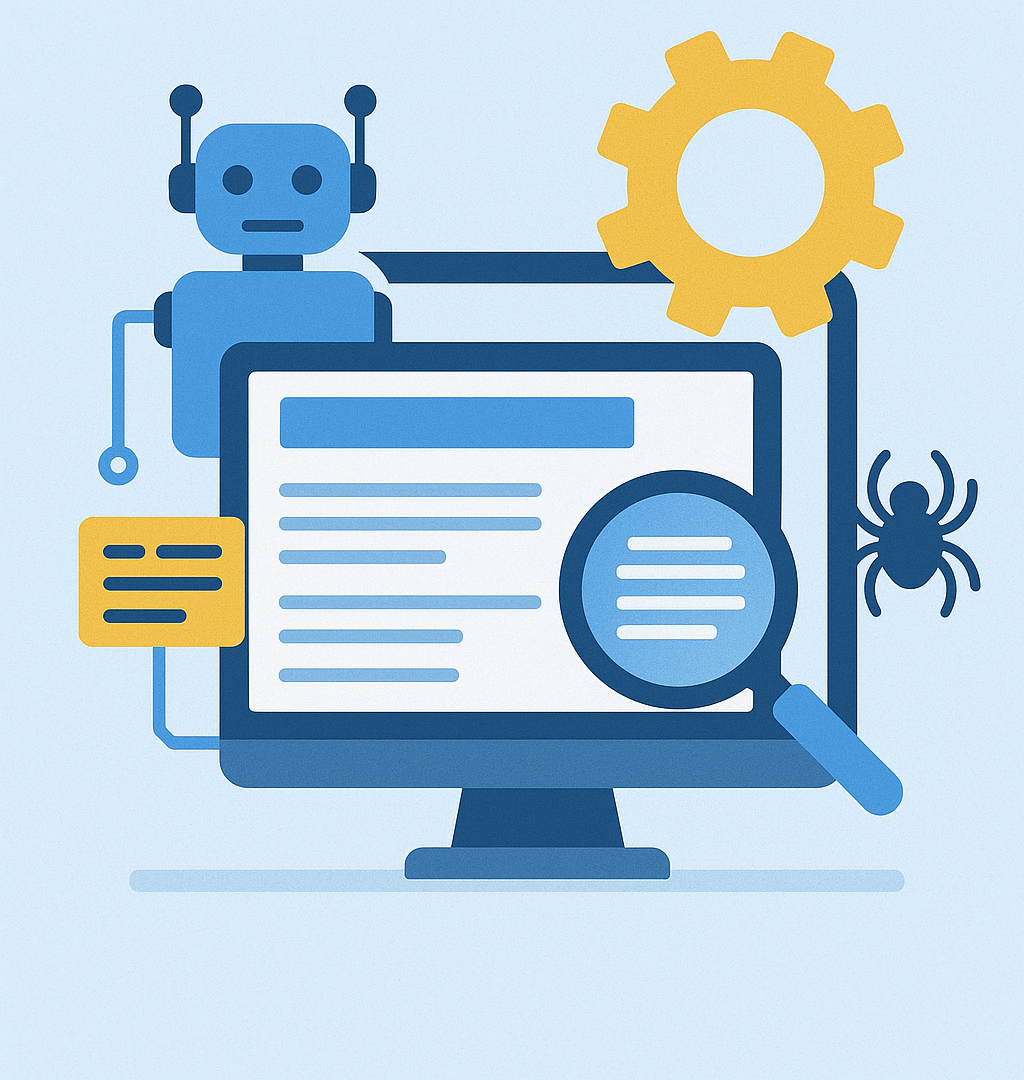
Web scraping is a powerful service for extracting structured data from websites. In this beginner’s guide, we will explain what web scraping is, how it works, and the value it brings to businesses.
If you have ever needed to gather large amounts of data from a website like product prices, reviews, or stock prices you have likely come across the term "web scraping." But what exactly is web scraping, and why is it so important?
In this article, we will walk you through web scraping in simple terms, how it works, and why it’s a game-changer for businesses. Whether you are a beginner or a company looking for efficient data extraction solutions, this guide will help you understand the ins and outs of web scraping.
What is Web Scraping?
Web scraping is the process of extracting data from websites automatically. Instead of manually copying and pasting information from a webpage, web scraping enables you to automatically collect structured data from a site and convert it into a format that’s easy to analyze, such as a spreadsheet or database.
Think about it this way: imagine you need to track prices of products on various e-commerce websites or gather product descriptions from a list of suppliers. Manually doing this would take hours or days. But with web scraping services, you can extract that data in minutes accurately and efficiently.
Web scraping can be used for all kinds of data: from product listings and reviews to news articles and job postings. Essentially, it helps you gather large volumes of data without the headache of doing it all by hand.
How Does Web Scraping Work?
Now that you know what web scraping is, let’s break down how it works. While the process might sound technical, it’s straightforward.
Here is how web scraping generally works:
- Request the Data
First, a request is sent to the website’s server asking for the page's content. When you visit a website on your browser, this is essentially what happens behind the scenes.
- Retrieve the Content
Once the request is made, the server responds by sending back the page’s data in HTML format. HTML is the code that defines how the page is displayed as a user (text, images, videos, links) is all coded in HTML.
- Extract Relevant Data
The next step is where the scraping happens. The web scraping service processes the HTML code, identifies the relevant data, and extracts it. This could be anything from product names and prices to articles and customer reviews.
- Store the Data
Finally, the extracted data is saved in a format that’s easy to use, like CSV, JSON, or Excel. This data can then be analyzed or used in various business applications.
Why is Web Scraping Important?
Now, let’s explore why web scraping is so valuable for businesses and how it can make a big impact.
- Efficient Data Collection
Web scraping services allow businesses to automatically collect large amounts of data from websites. Instead of spending time manually gathering this information, businesses can have it done in real-time, efficiently and accurately.
- Data-Driven Insights
Web scraping gives businesses the ability to access real-time data. Whether you're tracking product prices, gathering customer feedback, or analyzing competitors, having access to up-to-date information is key to making informed decisions
- Competitive Advantage
For companies operating in competitive markets, web scraping can be a huge advantage. It enables businesses to monitor competitors’ websites for pricing, new products, and promotions. This competitive intelligence helps businesses adjust their strategies and pricing models to stay ahead of the game.
- Market Research
Web scraping is often used for market research. It helps businesses collect data from various sources like online reviews, social media, or news articles. This data can be used to understand customer sentiments, track industry trends, and identify potential opportunities or challenges.
- Automating Repetitive Tasks
Many businesses use web scraping to automate time-consuming and repetitive tasks. Whether it’s monitoring stock levels, tracking job postings, or gathering leads, web scraping services automate these activities, freeing up time for teams to focus on more important tasks.
Key Applications for Web Scraping
Web scraping has widespread applications across different industries. Let’s look at some of the most common ones:
- E-commerce Data Extraction
E-commerce businesses use web scraping to monitor competitor prices, track product inventory, and gather customer feedback. By using web scraping services, e-commerce businesses can stay competitive by adjusting their strategies based on real-time market data.
- Real Estate Data Extraction
In the real estate industry, companies use web scraping to gather property listings, pricing data, and trends. This data is crucial for understanding local markets, spotting opportunities for investment, and offering clients better insights on available properties.
- Retail Data Extraction
Retailers can leverage web scraping to monitor competitor product offerings, track pricing strategies, and analyze customer reviews. With web scraping, retailers can make data-driven decisions about inventory management, product promotions, and pricing strategies.
- Manufacturing Data Extraction
Manufacturing companies use web scraping to collect data related to suppliers, market trends, and industry regulations. Web scraping also helps companies keep track of product demand, supply chain logistics, and competitor activity.
- AI & Technology Companies Data Extraction
AI and technology companies rely on web scraping for gathering vast datasets needed for training machine learning algorithms, analyzing trends in software development, or monitoring industry innovations. Web scraping helps them stay updated with the latest technologies and market demands.
How Can You Get Started with Web Scraping?
While web scraping might sound complicated, it’s very manageable with the right services. If you're a business or individual looking to use web scraping for your needs, there are data extraction service providers that can help you get started.
These web data extraction services offer a variety of solutions, from simple data collection to complex data extraction processes. Whether you need one-time scraping for a project or ongoing data collection, service providers can tailor a solution that fits your needs.
For those without technical experience, many data extraction services offer turnkey solutions. These services can handle everything from data gathering to storage, allowing you to focus on analysis and decision-making.
Is Web Scraping Legal?
Web scraping is generally legal, but it’s important to follow best practices and respect the legal framework around data collection.
- Website Terms of Service: Always check if the website you want to scrape has restrictions on scraping in its terms of service.
- Data Privacy: Make sure to follow data privacy laws such as GDPR or CCPA when scraping personal or sensitive data.
- Fair Use: Scraping should be done responsibly, ensuring it does not overwhelm the website’s server or violate copyright laws.
Conclusion
Web scraping is a powerful tool that businesses can use to automate the collection of valuable data from websites. By using web scraping services, companies can gather data quickly, monitor competitors, and make data-driven decisions to stay ahead of the competition.
Whether you're in e-commerce, real estate, retail, or technology, web scraping is an essential service that can save you time, increase productivity, and provide insights that drive growth. As you get started with web scraping, it’s important to choose the right web scraping service provider to ensure you are extracting data responsibly and legally.
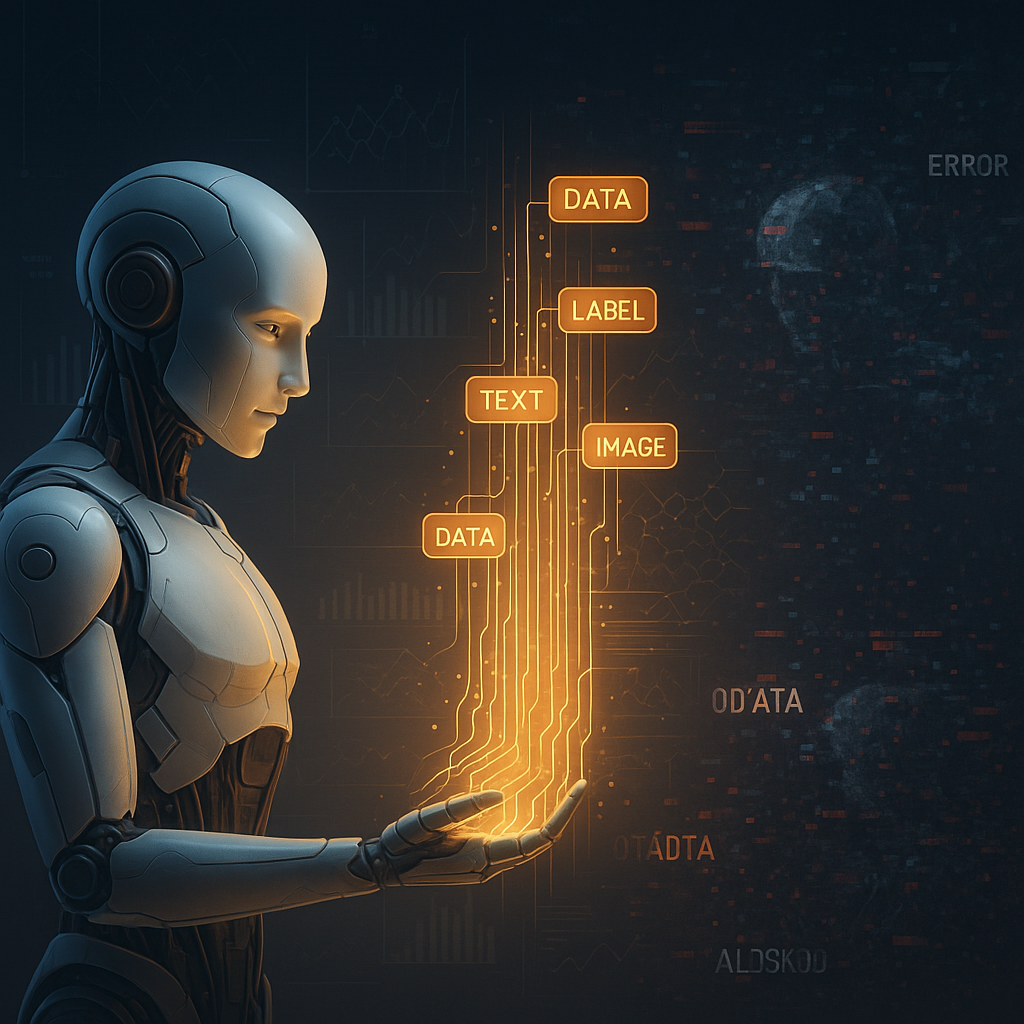
Web scraping is a technique that is used by a number of companies and businesses for extracting information that would be valuable for their business.
By extracting data from a number of different websites can help the businesses in a various ways.
Also, one can easily make sense that the demand of web scraping service is everywhere.Thus in this article you'll find some major reasons so as to why web scraping is leveraged.
So, go through them!Lead generation: Web scraping is popularly known for the purpose of lead generation and contacts for the businesses in a liberal manner.
One can easily collect contact details, email ids and other necessary information through web scraping.Reputation & brand monitoring: With the help of web scraping services, one can easily get boost brand intelligence by a number of ways and also get an idea of different brands in specific demographics.
This would particularly help the business in understanding about how the customers feel about their products and services.Collecting data for machine learning: As machine learning requires large input of data for different purposes, thus web scraping can be effectively used for deriving data for benefiting its progress.Competitor analysis: The web scraping is also useful for extracting data for competitor analysis and for deriving brand analysis in a structured format.