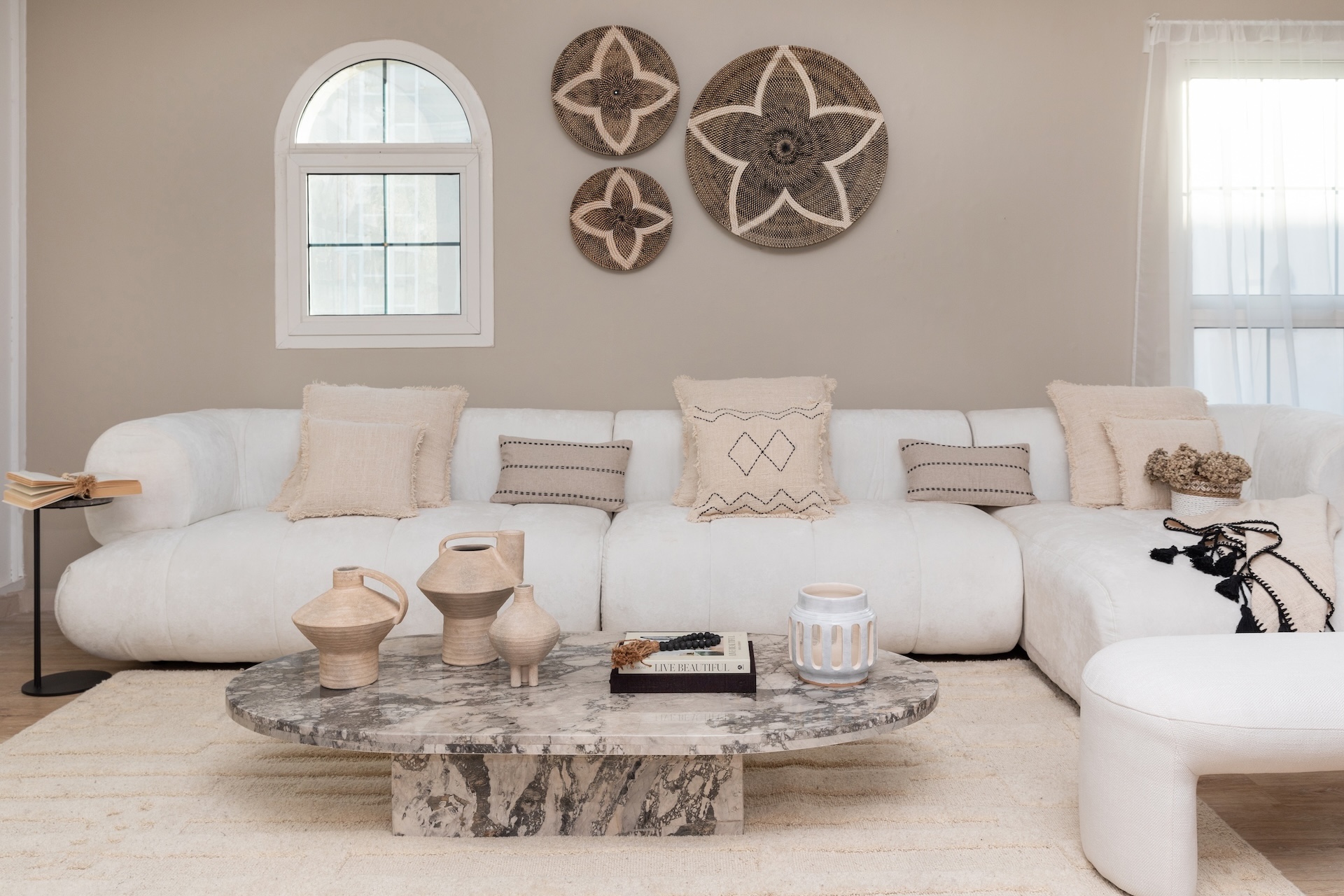


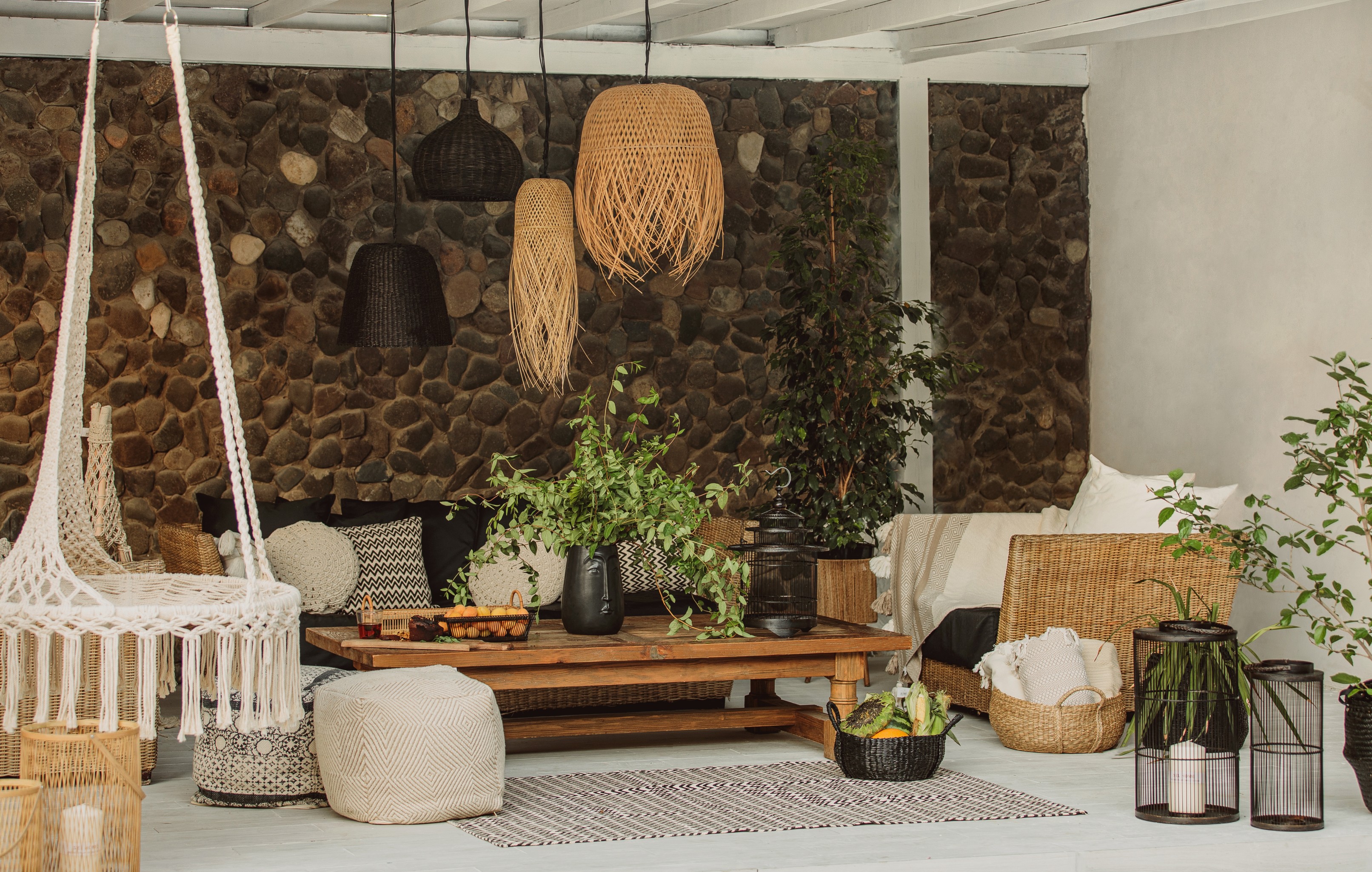
Most of us spend hours inside our homes every day. The way those spaces look, and more importantly, the way they feel, can influence our mood, health, and even how rested we are when the day ends.
A natural homemade decor doesn’t mean starting from scratch. It’s about incorporating eco-friendly choices, replacing what you can, and letting your house reflect a lifestyle that values both comfort and environmental care.
Therefore, this blog takes a closer look at some of the best natural home makeover options. Continue reading as we learn more about transforming your space with eco-friendly decor options.
Why the Shift Matters
Over the last decade, design trends have leaned away from synthetic materials and disposable furniture.
Families have started asking different questions: Where was this made? Can it be repaired? Will it last?
Those questions have pushed eco-friendly décor into the mainstream. Instead of laminate, people are choosing reclaimed wood. Instead of high-gloss plastics, they’re turning to stone, clay, or bamboo. The results aren’t flashy.
They’re warm, lived-in, and timeless; qualities that rarely go out of style.
Materials That Change a Room Instantly
Some swaps are so impactful that you notice the difference right away.
- Reclaimed wood: Tables made from beams or old barns carry history in their grain. A scratch doesn’t ruin them; it just adds character.
- Bamboo: Fast-growing and renewable, bamboo works well for blinds, flooring, or even kitchen utensils.
- Stone and clay finishes: A backsplash in stone or a clay accent wall gives depth that drywall can’t imitate.
- Natural fabrics: Options such as curtains or sofa covers made from cotton or linen feel softer, breathe better, and age more gracefully than polyester blends.
These choices not only reduce environmental impact, but they also often hold up better in daily life.
Energy Efficiency as Décor
Décor isn’t only about what you see; it’s also how your home runs. Adding heavier curtains can keep a living room cooler in summer. A wool rug underfoot adds warmth in winter while cutting echo.
Skylights or bigger windows let daylight do the work, keeping bulbs off until evening. Many homeowners also incorporate LED lighting or ceiling fans that complement their style.
The upgrades don’t scream “green design.” They look natural and feel practical; lower bills, steadier comfort, and a home that runs smarter.
Plants as Part of the Room
Nothing freshens a space like greenery. A pothos trailing from a kitchen shelf, a fern in the bathroom, or herbs you snip for dinner; they do double duty as décor and as air filters.
Larger plants, like a fiddle-leaf fig in the corner, almost work like furniture, giving structure to the room. Even low-maintenance picks (snake plants, succulents) add life without adding chores.
Over time, these plants become an integral part of your daily routine: water them while the coffee brews, and trim them after dinner. It’s simple, grounding, and surprisingly effective at making a house feel alive.
The Creative Side of Upcycling
One of the most enjoyable parts of eco-friendly products is giving old items new jobs. An unused ladder becomes a bookshelf. A set of mason jars is transformed into pendant lights. Wooden crates stack up to form a rustic coffee table.
These pieces aren’t just décor: they’re conversation starters, each carrying a story. More importantly, they reduce waste. Instead of buying mass-produced items, you craft a home full of character at almost no extra cost.
Why Local Craftsmanship Matters?
Buying from local artisans does two things at once. It gives your space unique, handmade pieces, and it keeps your dollars in the community. A hand-woven basket from a local market, pottery from a nearby studio, or furniture built by a regional carpenter feels different than something delivered in flat-pack boxes.
You’re not just decorating; you’re building connections. Many homeowners find that once they start sourcing locally, they return to the same makers again, creating a personal touch that grows year after year.
Common Concerns (and the Real Answers)
People sometimes hesitate, assuming eco-friendly automatically means expensive or impractical. Some materials do cost more upfront, but durability often balances that out.
A solid wood table may outlast three cheaper ones. Style variety is another myth; sustainable products now span modern minimalism, rustic charm, and sleek industrial design.
Maintenance is different, too. Wood patinas, fabrics soften, and stone shifts slightly in tone. Those aren’t flaws; they’re signs of a home that’s lived in.
Small Steps to Begin With
- You don’t need to redo your house overnight. Start with manageable changes.
- Replace polyester bedding with cotton or linen for a healthier night’s sleep.
- Swap plastic bins for woven baskets; they look better and last longer.
- Use low-VOC paint the next time you refresh a room.
- Bring in three plants: one for the kitchen, one for the bedroom, and one near a window.
- Next time you buy furniture, ask whether it’s reclaimed or sustainably sourced wood.
Remember, each step is simple! Together, they shift your home toward something more natural.
More Than Just Décor
At its core, an eco-friendly makeover isn’t about “trendy design.” It’s about alignment. Hanging linen curtains or renovating an antique dresser are both choices that bring your room closer to the way you want to live.
People who visit notice the mood, family members sense the tranquility, and you enjoy the peace of mind that comes from knowing your house is healthier. As time passes, the home itself begins to tell its own story: a place designed to care for the people within and the world beyond.
Conclusion: Living the Change
Eco-friendly home décor doesn’t shout. It speaks royalty without raising the voice. It may be seen in the warmth of a repurposed table, the fresh air from a fern, or the silent savings on your energy bill. These little things change not just how a place looks, but also how you feel when you walk in.
Ready to make eco-friendly goods a part of your lifestyle? Don’t forget to check out Mindful Market - the #1 sustainable marketplace today!