


Myofascial massage is a gentle yet highly effective therapy that focuses on releasing tension in the connective tissue surrounding muscles. At River North Massage Therapy Center, we specialize in helping seniors improve flexibility, reduce stiffness, and enjoy a better quality of life. This blog explores how myofascial release works, why it is especially beneficial for seniors, and how it complements other therapies such as Chicago sport massage for active adults.
What is Myofascial Massage
Myofascial massage focuses on releasing tightness in the fascia, a thin layer of connective tissue that surrounds muscles, joints, and organs. Over time, fascia can become stiff due to injury, inactivity, or aging. This stiffness can lead to discomfort, reduced mobility, and a feeling of heaviness in the body.
At River North Massage Therapy Center, we use myofascial massage Chicago techniques to gently stretch and loosen the fascia. These methods improve circulation, restore natural movement, and help seniors feel lighter and more flexible.
How Myofascial Release Works
Myofascial release involves applying gentle, sustained pressure to tight areas of fascia. Unlike traditional deep tissue massage, this technique is slow and careful, making it ideal for seniors. The pressure helps the fascia relax, which can relieve pain, improve posture, and enhance overall mobility.
Research shows that myofascial release can significantly reduce chronic pain and improve range of motion in older adults. In our experience, even a single session can help seniors notice immediate improvements in comfort and ease of movement.
Benefits for Seniors
Seniors often experience reduced flexibility, joint stiffness, and muscle soreness. Myofascial massage can:
• Reduce chronic pain in the back, neck, and shoulders
• Improve circulation and oxygen flow to muscles
• Enhance posture and balance
• Increase mobility and flexibility
• Reduce stress and promote relaxation
Many older adults also find that myofascial massage complements sport massage for those who maintain an active lifestyle. Gentle fascia release supports safer movement, lowers the risk of injury, and helps seniors stay active longer.
Common Areas of Tension in Older Adults
As we age, certain areas of the body tend to hold more tension. Common zones include:
• Lower back and hips from long periods of sitting
• Shoulders and neck from poor posture or tension
• Legs and calves from reduced circulation or stiffness
• Hands and feet from daily use and joint discomfort
Focusing on these areas with myofascial techniques can make a noticeable difference in daily comfort and mobility. Seniors often report feeling lighter, more flexible, and able to move with greater ease after sessions.
Myofascial Massage vs. Other Massage Techniques
Myofascial massage differs from traditional massage in that it focuses on fascia rather than just muscles. While deep tissue or sport massage often targets specific muscle groups for strength, performance, or recovery, myofascial release emphasizes gentle stretching and pressure to release tension and restore balance.
For seniors, this gentle approach reduces the risk of soreness and injury while still providing significant relief from stiffness and discomfort. It is particularly effective for older adults with chronic conditions or mobility limitations.
Table: Quick Guide to Benefits for Seniors
Area of Focus Benefits of Myofascial Massage
Lower Back & Hips Reduces stiffness, improves mobility
Shoulders & Neck Relieves tension, improves posture
Legs & Calves Enhances circulation, reduces soreness
Hands & Feet Increases flexibility, reduces discomfort
Full Body Promotes relaxation, reduces stress
How Often Seniors Should Schedule Sessions
Most seniors benefit from weekly or biweekly sessions, though even monthly appointments can maintain mobility and comfort. Regular sessions can prevent minor stiffness from becoming chronic pain. Combining myofascial massage with light stretching or mobility exercises at home often enhances results.
Safety and Comfort Considerations
Safety is a priority for seniors during myofascial massage. Pressure is adjusted based on individual tolerance, and all sessions are designed to avoid discomfort. Seniors with conditions such as osteoporosis, arthritis, or cardiovascular issues receive extra care.
At River North Massage, we ensure that every session is comfortable, relaxing, and tailored to meet each client’s unique needs. Proper positioning, gentle movements, and attentive monitoring make this therapy both safe and highly effective.
Tips for First-Time Clients
• Communicate Clearly: Share your medical history and areas of discomfort with your therapist.
• Stay Hydrated: Water helps flush out toxins and aids recovery after the session.
• Dress Comfortably: Wear loose clothing to allow easy access for therapy.
• Relax and Breathe: Let your body respond naturally to gentle pressure.
• Consistency Matters: Regular sessions provide the best results over time.
Final Thoughts
Myofascial massage is a gentle, effective therapy that offers seniors improved mobility, reduced pain, and a better quality of life. At River North Massage Therapy Center, our experienced therapists provide safe, personalized care for older adults. Whether you are looking to relieve stiffness, complement your sport massage, or simply enjoy the relaxing benefits of touch therapy, myofascial release can help you move, feel, and live better.
People Also Ask
1. What is myofascial massage?
It is a gentle massage technique that targets fascia to release tension, improve mobility, and reduce pain. This therapy helps restore natural movement patterns and can enhance overall comfort and quality of life for seniors.
2. Can seniors safely receive myofascial massage?
Yes. Therapists adjust pressure and techniques to ensure comfort and safety for older adults. Many seniors find that this personalized approach allows them to enjoy the benefits of massage without discomfort or strain.
3. How long does a typical session last?
Sessions usually range from 60 to 90 minutes, depending on individual needs. Shorter sessions of 30 to 45 minutes can also be effective for targeted areas or quick relief. Consistent scheduling helps maintain mobility, reduce stiffness, and prevent minor issues from becoming chronic.
4. How often should seniors get myofascial massage?
Weekly or biweekly sessions are most beneficial, though even monthly visits provide noticeable relief. Regular sessions can also boost overall energy and help seniors stay active and comfortable in daily life.
5. Can myofascial massage help with posture?
Absolutely. Releasing fascia and muscle tension helps improve posture and balance over time. It can also reduce the risk of falls and enhance confidence in movement for seniors.
6. Is it painful?
It should never cause sharp pain. Gentle, sustained pressure is used to release tension safely. Clients often feel a soothing, stretching sensation as their muscles and fascia gradually relax.



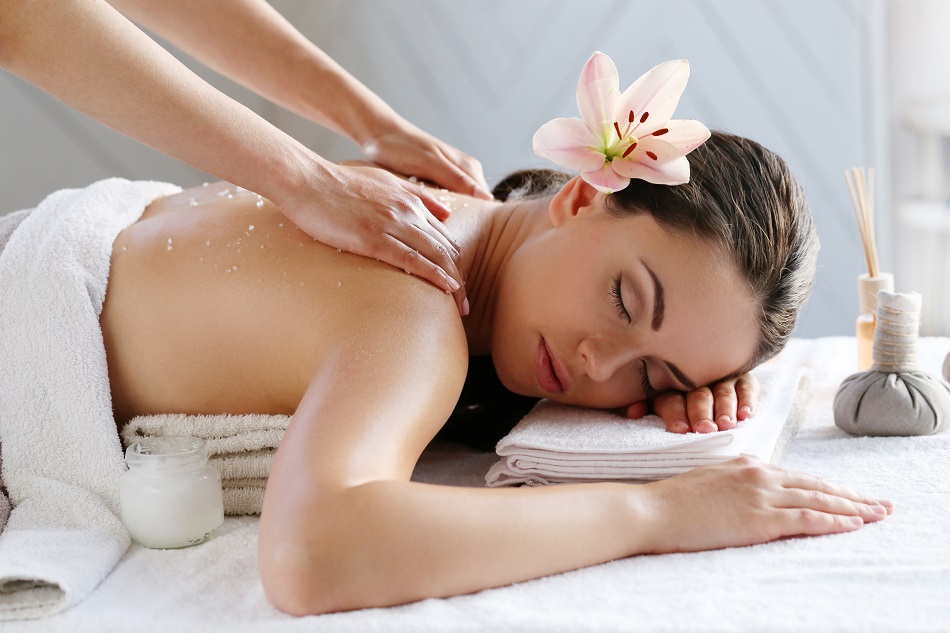
Myotherapy is a type of physical therapy that involves the assessment, treatment and rehabilitation of musculoskeletal pain and associated conditions.
A Myotherapist uses various techniques to decrease pain, increase mobility and enhance muscle strength.What does Myotherapy involve?Myotherapy and Massage involves the assessment, treatment and management of musculoskeletal pain and associated conditions.
Various soft tissue techniques are used to reduce pain and increase joint mobility so that the client can feel better and motivated to continue with day- -to- day tasks.
Soft tissue therapy can include joint mobilization, myofascial release, cupping, drying needling, muscle energy techniques (MET), rehabilitative exercises and management.When to See a Myotherapist?A Myotherapist can treat a range of acute and chronic musculoskeletal pain and associated pathologies.These conditions include: Tension headaches, migraines, neck and shoulder pain, Tendinopathies, sprains, strains and tears.
A Myotherapist can help you heal faster with confidence so that YOU can get back to being a happier, healthier you.Book your appointment now with Myotherapist in Glen Iris today.