

Introduction
Your home’s air quality has a direct impact on your comfort, health, and energy costs. Every time your air conditioner runs, it circulates air through your house—and with it, dust, pollen, pet dander, and other contaminants. The solution is simple but powerful:f an AC filter.
More than just a piece of fabric or pleated material, an AC filter is a first line of defense for your HVAC system and your family’s well-being. In this guide, you’ll learn how AC filters work, why they matter, how often to change them, and how to choose the right one for your home.
Table of Contents
- Why AC Filters Matter in Every Household
- How an AC Filter Works
- Common Pollutants and Allergens AC Filters Capture
- Benefits of Replacing Your AC Filter Regularly
- Types of AC Filters Explained
- How to Choose the Right AC Filter for Your System
- Step-by-Step Guide: How to Replace an AC Filter
- How AC Filters Impact Energy Efficiency
- Where to Buy Trusted AC Filters
- Conclusion
1. Why AC Filters Matter in Every Household
Your AC filter is more than a dust catcher. It protects your HVAC unit from clogging, helps maintain airflow, and ensures your family breathes cleaner air.
Without a proper filter:
- Dust builds up in ducts and vents.
- Allergens circulate throughout the home.
- The HVAC system overworks, leading to higher bills and breakdowns.
2. How an AC Filter Works
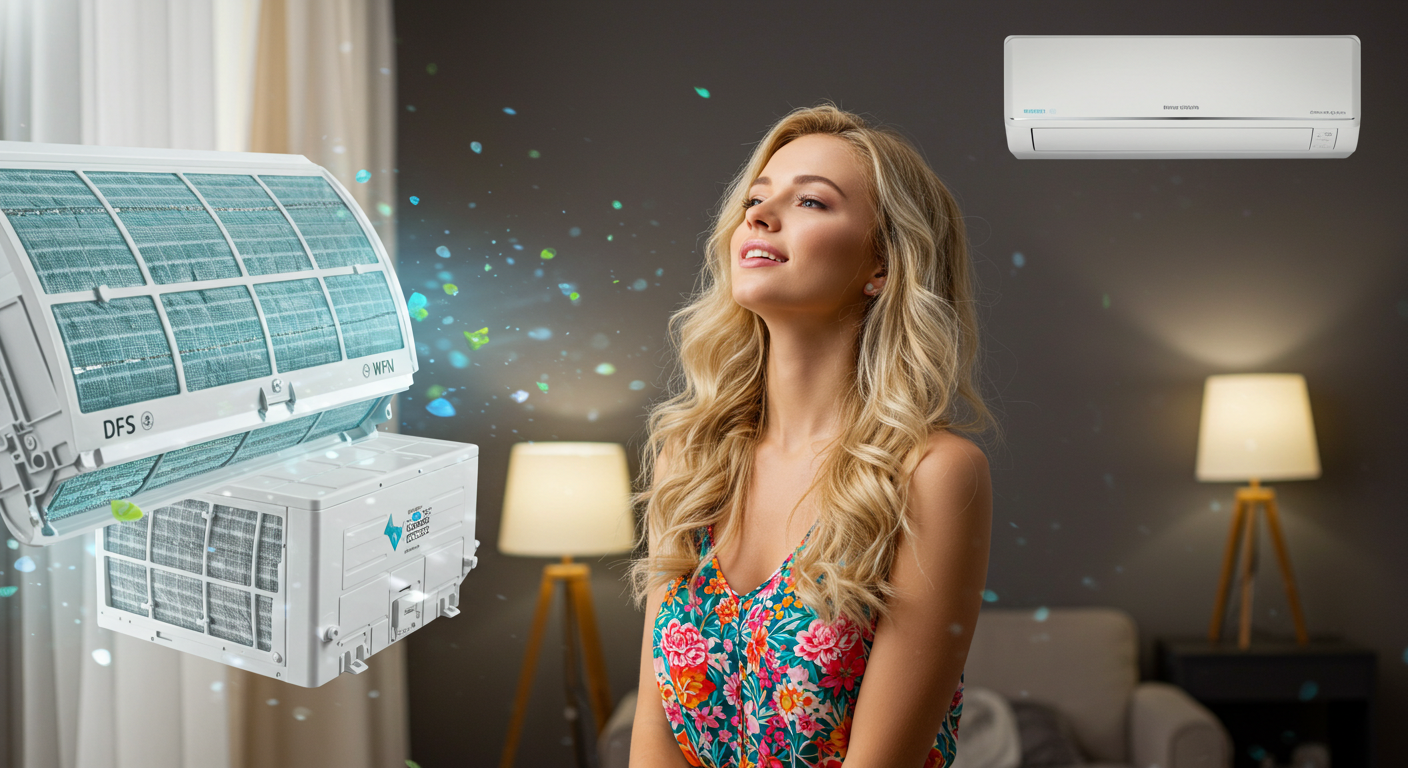
When your air conditioner or furnace runs, air is drawn into the system. Before it is cooled or heated and sent back into your rooms, it passes through the AC filter.
What happens in that step?
- The filter traps dust, dirt, pollen, and particles.
- Depending on its type, it may also reduce pet dander, smoke, and bacteria.
- Clean air then circulates back into your home.
This simple cycle repeats daily, making the filter one of the hardest-working parts of your HVAC system.
3. Common Pollutants and Allergens AC Filters Capture
AC filters target a variety of pollutants that affect both comfort and health, including:
- Dust and dirt – the most common indoor irritant.
- Pollen – a seasonal trigger for allergies.
- Pet dander – tiny skin flakes from cats, dogs, and other animals.
- Mold spores – a risk in humid areas.
- Smoke and odors – from cooking, candles, or cigarettes.
- Bacteria and small particles – with advanced filters.
4. Benefits of Replacing Your AC Filter Regularl
Changing your AC filter is one of the easiest ways to keep your home healthy and efficient. Benefits include:
- Cleaner indoor air: Fewer allergens and pollutants.
- Better HVAC performance: Reduced strain on motors and fans.
- Lower energy bills: Improved airflow reduces power use.
- Longer system lifespan: Prevents breakdowns and costly repairs.
- Improved comfort: Air flows evenly throughout the home.
5. Types of AC Filters Explained
Not all AC filters are the same. Here are the main types:
- Fiberglass filters: Inexpensive, basic protection.
- Pleated filters: Capture smaller particles, great for households with pets.
- Electrostatic filters: Reusable and efficient at trapping fine particles.
- HEPA filters: Remove up to 99.97% of tiny particles, ideal for allergy sufferers.
- Carbon filters: Reduce odors and smoke in addition to particles.
6. How to Choose the Right AC Filter for Your System
When choosing an AC filter, consider:
- MERV rating: Measures effectiveness. A higher rating means finer filtration.
- System compatibility: Not all units can handle high-MERV filters.
- Household needs: Families with allergies or pets benefit from pleated or HEPA filters.
- Budget: Higher-quality filters may cost more but last longer and protect better.
7. Step-by-Step Guide: How to Replace an AC Filter
Replacing an AC filter is simple and takes just minutes:
- Turn off your HVAC system.
- Locate the filter slot near the return air duct or furnace.
- Remove the old filter and note its size.
- Insert the new filter with arrows pointing toward airflow.
- Turn the system back on and set a reminder for the next change.
- Most filters should be replaced every 1–3 months, depending on usage.
8. How AC Filters Impact Energy Efficiency
A dirty AC filter restricts airflow, forcing your HVAC system to work harder. This leads to:
- Higher energy bills.
- Hot and cold spots in the home.
- Increased wear and tear on equipment.
By keeping filters clean, you can cut energy costs by up to 15%—a big saving over time.
9. Where to Buy Trusted AC Filters
To avoid counterfeit or poorly made filters, buy only from trusted sellers:
- DiscountFilterStore.com
- – wide range of certified AC filters.
- Authorized HVAC suppliers and installers.
- Certified marketplaces with verified product details.
For broader household water and air solutions, explore WaterFilters.net
Conclusion
An AC filter may look simple, but it plays a critical role in protecting both your home and your health. By trapping dust, allergens, and pollutants, it keeps indoor air cleaner, reduces strain on your HVAC system, and saves money on energy bills.
Replacing your AC filter regularly is one of the easiest and most cost-effective steps you can take to maintain a healthier, more efficient home. For trusted options and reliable performance, DiscountFilterStore offers a complete selection of filters to match every system and budget. And for families seeking additional solutions, WaterFilters.net provides complementary options to keep your home comfortable and safe.