



In today's dynamic business environment, organizations are increasingly turning to Statement of Work (SOW) management services to ensure clarity, efficiency, and accountability in their projects. An SOW serves as a foundational document that outlines the scope, objectives, deliverables, timelines, and responsibilities of all parties involved in a project. Properly managed, it can be the difference between project success and failure.
The Importance of Effective SOW Management
Clear Expectations and Deliverables
A well-crafted SOW sets clear expectations from the outset. It defines what is to be delivered, by whom, and within what timeframe. This clarity helps in aligning all stakeholders and minimizes the risk of misunderstandings.
Scope Management
One of the primary reasons projects go off-track is scope creep. An SOW helps in delineating the boundaries of the project, ensuring that any changes are formally documented and agreed upon, thus maintaining control over the project's scope.
Performance Metrics and Accountability
By establishing measurable performance indicators, an SOW provides a benchmark against which the project's progress can be assessed. This accountability ensures that all parties remain committed to the project's objectives.
Risk Mitigation
An SOW identifies potential risks and outlines strategies to mitigate them. This proactive approach enables organizations to address issues before they escalate, ensuring smoother project execution.
Trends Shaping SOW Management in 2025
Integration of Technology
The adoption of digital tools and platforms is transforming SOW management. Automation, artificial intelligence, and data analytics are being leveraged to streamline the creation, monitoring, and management of SOWs, leading to increased efficiency and reduced errors.
Emphasis on Collaboration
Modern SOWs are moving beyond traditional contractor-client relationships. There's a growing emphasis on collaborative partnerships, where both parties work together towards shared goals, fostering innovation and mutual success.
Focus on Sustainability and Ethics
Organizations are increasingly incorporating sustainability and ethical considerations into their SOWs. This includes outlining environmental standards, social responsibility goals, and ethical sourcing practices, reflecting a commitment to corporate social responsibility.
Agile Methodologies
The shift towards agile project management is influencing SOW structures. Flexible and adaptive SOWs are being developed to accommodate changing project requirements and iterative development processes.
Best Practices for Crafting an Effective SOW
Be Specific and Detailed
Ambiguities can lead to disputes and delays. It's essential to be as specific as possible regarding deliverables, timelines, and responsibilities.
Use Clear and Concise Language
Avoid jargon and complex language. The SOW should be easily understood by all stakeholders, ensuring that everyone is on the same page.
Include a Change Management Process
Projects often evolve, and changes are inevitable. Including a clear process for managing changes ensures that any adjustments are handled systematically and agreed upon by all parties.
Regularly Review and Update
An SOW should be a living document. Regular reviews and updates ensure that it remains relevant and accurately reflects the project's current status and objectives.
The Role of SOW Management Services
SOW management services play a crucial role in ensuring the success of projects. These services offer expertise in drafting, reviewing, and managing SOWs, ensuring that they are comprehensive, clear, and aligned with organizational goals. By outsourcing SOW management, organizations can focus on their core competencies while ensuring that their projects are executed efficiently and effectively.
In conclusion, Statement of Work management services are integral to the successful execution of projects in today's complex business landscape. By providing clarity, structure, and accountability, an effectively managed SOW can lead to successful project outcomes, satisfied stakeholders, and a strong foundation for future collaborations.



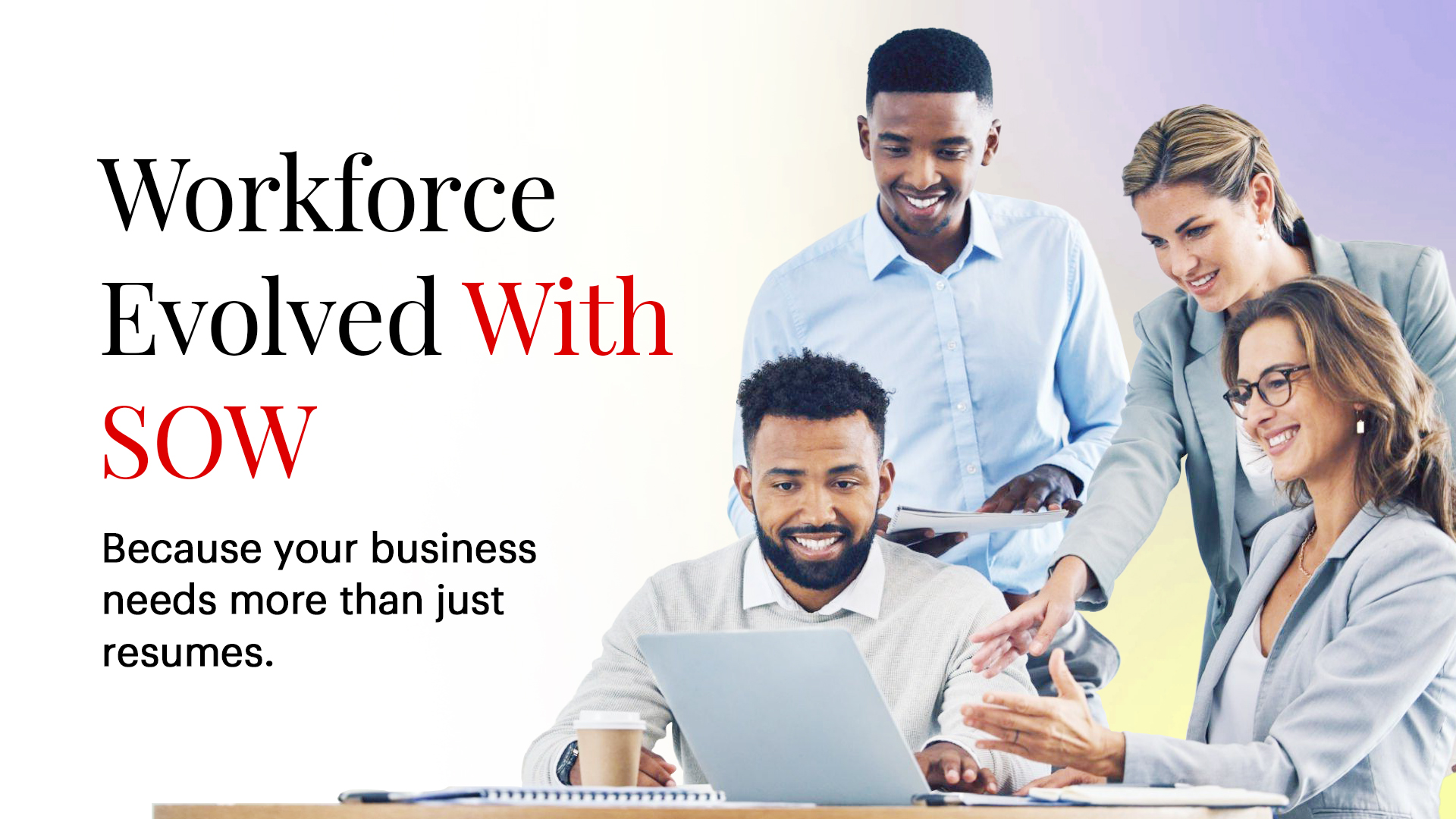

If you don't know where to look finding work may be an uphill struggle.You hazard meeting scammers who guarantee real work at home jobs that will sustain you and your loved ones, just to realize they are following your hard-earned money.We have been there.However, don't allow this frighten you!
I will share with you some of the finest work at home jobs hiring.Related: Sow Your Money Whether you're trying to find part-time or fulltime job, this is where to find out more.I pay chances for mothers, dads, retirees, and sometimes even school students to earn money on the internet.What I love about working from home on the internet is that you get an chance remain in your home with your loved ones to become your own boss, traveling the world and meet your requirements.When I started exploring how to work at home, I craved the above all.
It was challenging to attain initially, but I am pleased to report that my website has allowed me to become my own boss and attain financial freedom.
