





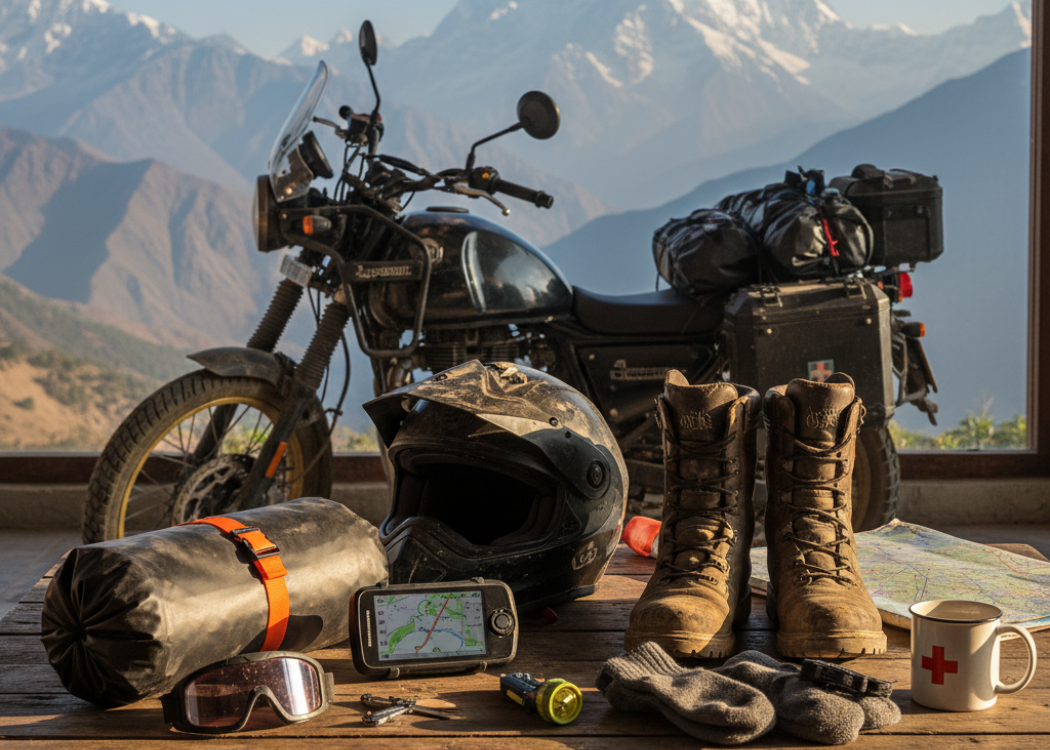
Embarking on a Himalayan motorcycle tour is an exhilarating adventure, offering breathtaking landscapes, winding roads, and the thrill of conquering challenging terrain. However, the Himalayas are unpredictable, and preparation is key to ensuring a safe and memorable journey. Whether you are a seasoned rider or planning your first Himalayan ride, following the right steps can make all the difference.
Choosing the Right Motorcycle
The first step in preparing for a Himalayan motorcycle tour is selecting a suitable bike. Adventure and touring motorcycles like Royal Enfield Himalayan, KTM Adventure, or BMW GS series are popular choices due to their stability, fuel efficiency, and off-road capabilities. Ensure your motorcycle is well-maintained, with recent servicing, functioning brakes, clutch, and lights. Carry essential spare parts such as brake pads, spark plugs, and a toolkit to handle minor repairs on the road.
Gear and Safety Equipment
Riding safely in the Himalayas requires appropriate gear. Invest in a high-quality helmet with a visor, armored riding jacket, gloves, riding boots, and weather-appropriate clothing. Layering is crucial, as temperatures can vary drastically between valleys and high passes. Don’t forget a raincoat or waterproof gear, as sudden showers are common. Reflective vests or stickers can increase visibility on foggy mountain roads.
Physical and Mental Preparation
Riding in the Himalayas can be physically demanding. Strengthen your core muscles and practice long-distance riding to build endurance. Mental preparedness is equally important. Stay alert, avoid fatigue, and ride at safe speeds, especially on narrow, winding roads. Understanding your limits and maintaining patience on steep climbs or sharp turns can prevent accidents.
Route Planning and Navigation
Before starting your Himalayan motorcycle tour, plan your route carefully. Identify fuel stops, accommodation options, and emergency contacts along the way. Popular routes like Manali-Leh, Spiti Valley, and Ladakh offer scenic beauty but require proper acclimatization. Use GPS apps, offline maps, or local guidance to navigate safely. Always inform someone about your itinerary and expected travel schedule.
Health and Altitude Awareness
High-altitude regions in the Himalayas can cause altitude sickness, dehydration, and fatigue. Acclimatize gradually, stay hydrated, and avoid alcohol or heavy meals before high-altitude rides. Carry essential medicines, a first-aid kit, and energy snacks. Knowing basic first aid and understanding altitude-related symptoms can be lifesaving during a Himalayan motorcycle tour.
Riding Etiquette and Safety Tips
Respect local traffic rules and mountain etiquette. Always signal your intentions, maintain a safe distance from other vehicles, and be cautious near sharp turns or landslide-prone areas. Avoid riding at night unless necessary, and be prepared for unpredictable weather. Group rides are safer for emergencies, but solo riders must have emergency contacts and communication devices.
Conclusion
Himalaya motorcycle tour is an unforgettable adventure when planned with care and preparation. By choosing the right motorcycle, wearing proper gear, maintaining physical fitness, planning routes, and being aware of high-altitude risks, you can ensure a safe and enjoyable journey. Preparation not only enhances safety but also allows you to fully immerse yourself in the beauty and serenity of the majestic Himalayas.
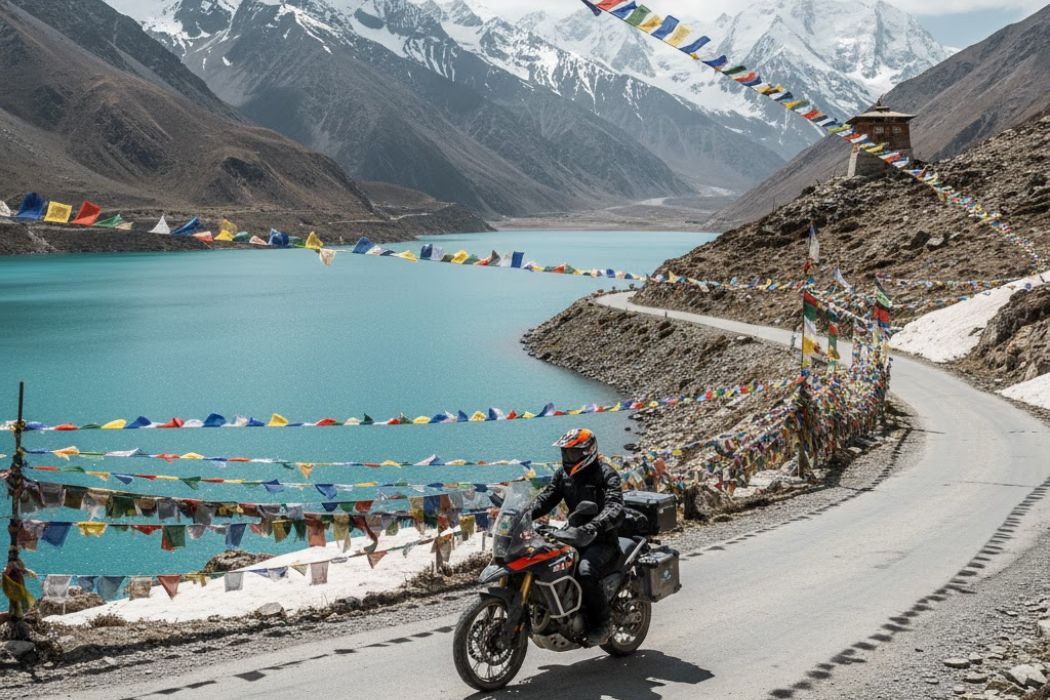
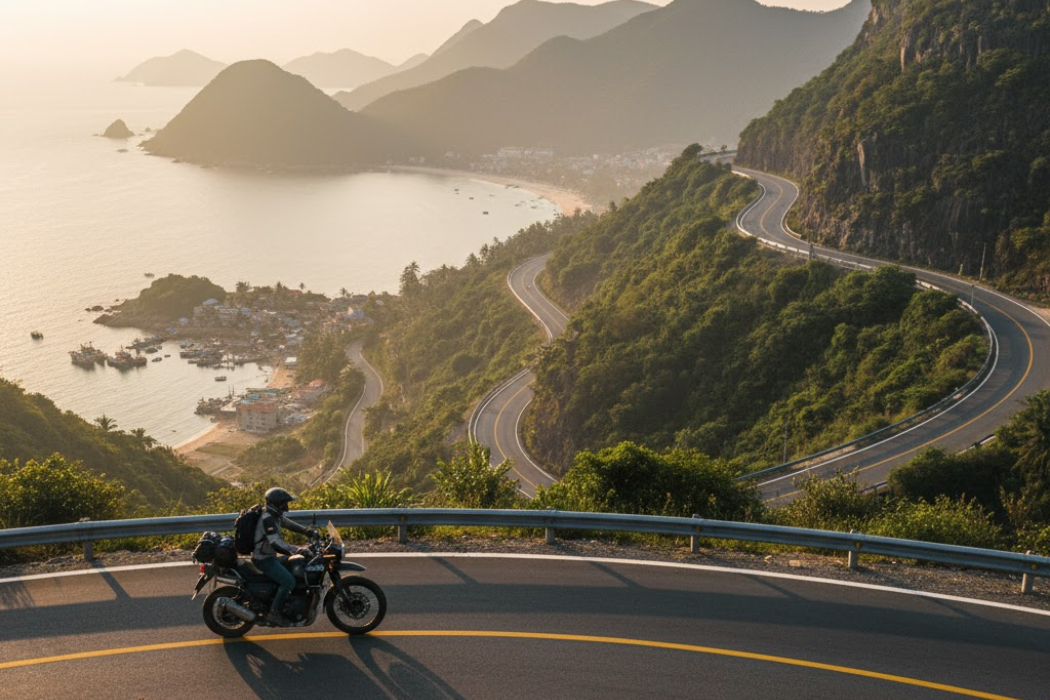
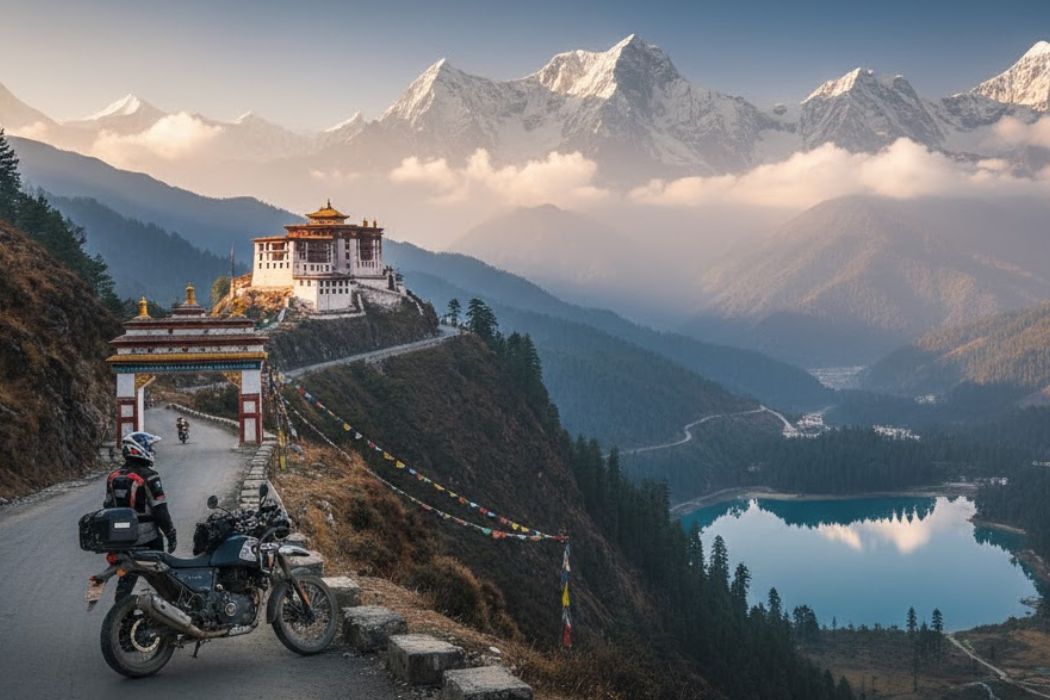
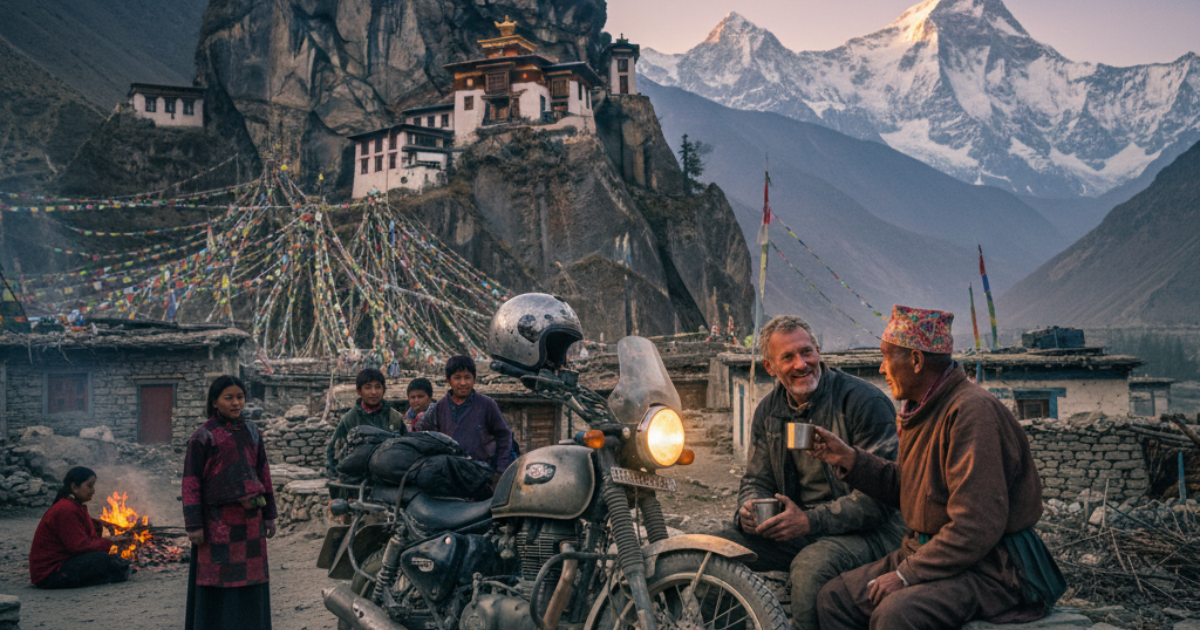
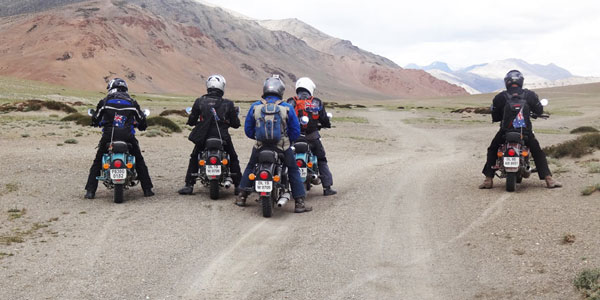
A million words couldn't endeavor to depict mother India and moreover, Motorbike Tours India outing to India could scarcely investigate her rich blend of customs, profound convictions, brilliant celebrations, entrancing engineering, and scenes which make up a living historical center.Your recollections of India will blast brilliant, long after you have left her shores.
India's scenes as incredibly fluctuate as her social conventions, individuals, and dialects and therefore, we've unlimited alternatives on offer to extinguish your longing to find Motorbike Tours India.Our motorbike trips in India are customized to furnish you with a one of a kind encounter on two wheels while taking the streets less went on fortunate experiences with the most secluded and antiquated populaces, regardless of whether they are the Aryans of the Indus Valley, the different talent scout clans of Nagaland, the Kalbeliya vagabonds of the Thar desert and the regal Rajput warriors from Rajasthan, or the Dravidians of South India.Unleash the Madness for Adventure in You with Himalayan Bike tours Royal EnfieldIt's implied that in meeting such energetic individuals, the mouth-watering nearby cooking and enchanting housing are fundamentals of the experience.
On the way, the view will go from the quintessential desert place where there is the Maharajas uncovering their medieval strongholds and royal residences, to the snow-tidied pinnacles of the Himalayas and the verdant backwaters and sun-sprinkled seashores of tropical South Indian Kerala.Himalayan Bike Tours Royal Enfield implies the residence of snow in Sanskrit, which sounds accurate for this grandiose, astounding, and incomprehensibly immense mountain run, bragging numerous the world's most noteworthy pinnacles including the most noteworthy, Mount Everest.
The Himalayas stretch from Pakistan-regulated Kashmir in the west and along the northern outskirt of India, through Nepal, Bhutan, and Tibet, across North East India and into Myanmar on the eastern fringe of India.
The considerably larger part of the Himalayas is found in India and with neighborhood mastery and broad information on the landscape, we'll take you on the streets less headed out to divulge the concealed gem of the Indian subcontinent.

Mar 08, 2021: Synopsis:The scope of the global Organic Spices Market was projected at US$ 38.35 billion in 2018 and is estimated to touch US$ 22.98 billion by the completion of 2025.
It is expected to record a CAGR of 5.0% for the duration of the forecast.
The most important category of organic spices consists of cardamom, pepper, cumin, ginger, basil, clove, cinnamon, turmeric, and garlic.
Increasing reputation of genuine tastes with a combination of cultural constituents is expected to go on an important dynamic feature for the development of the organic spice market during the upcoming eight years.Click For Report Details @ https://www.millioninsights.com/industry-reports/organic-spices-marketClassification:The global organic spices industry can be classified by Delivery Network, Application, Type, and Region.
By Type, it can be classified as Crushed /Chopped, Whole, Powder.Regional Lookout:By Region the global organic spices market can be classified as North America, Europe, Asia Pacific, Central & South America, and Middle East & Africa.
Furthermore, introduction of the new-fangled and unusual tastes, growth in per head earnings of the customer and recognition of new tastes is likewise estimated to motivate the demand in the region.Europe is likely to create profits worth US$ 4.60 billion by the completion of 2025.