Martha scrubbed the bathroom grout with bleach until the black patches faded, then sighed with relief — until the staining and musty smell returned a few weeks later. Bleach felt like a quick fix, but the problem came back because the root cause stayed in place. This article explains what bleach does and doesn’t do, why it can fail, and what more effective, long-term approaches look like. If you want reliable results, understanding the limits of bleach will help you choose the right treatment or know when to call a professional mold remediation company.
What bleach actually does to mold
Bleach (sodium hypochlorite) is an oxidizer: it breaks down organic material and can remove visible mold staining on contact. On hard, non-porous surfaces — like ceramic tile, glass, and sealed countertops — bleach can kill mold spores sitting on the surface and remove discoloration. That apparent success is why many homeowners reach for a bottle.
However, bleach’s strength is also its limitation. It remains mostly on the surface and evaporates quickly, leaving little to no lasting fungicidal residue. That means it may not stop spore fragments or hyphae that have already penetrated porous materials. For long-term results, you need to remove or treat the mold where it lives — not just where you see it.
Why bleach can fail on porous materials
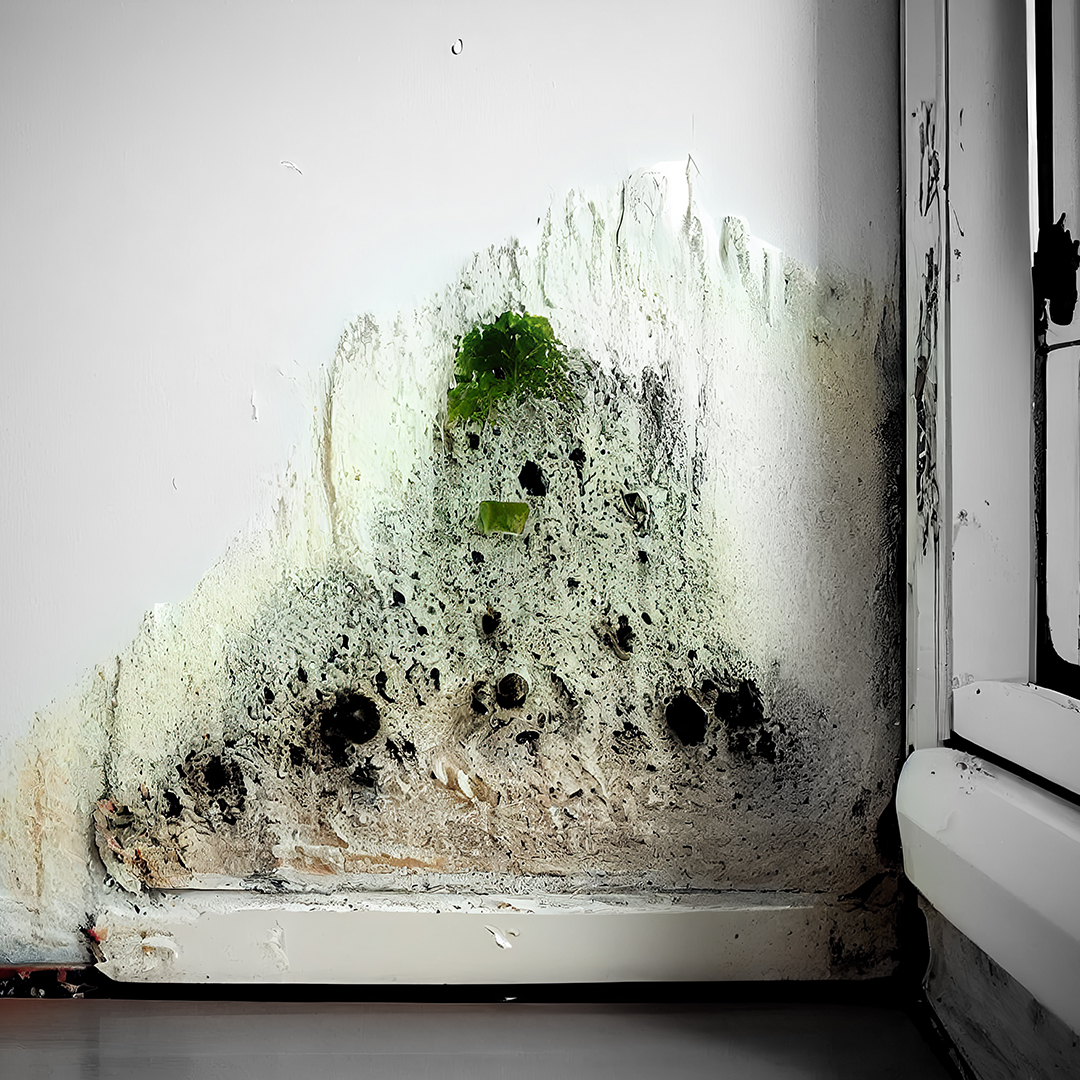
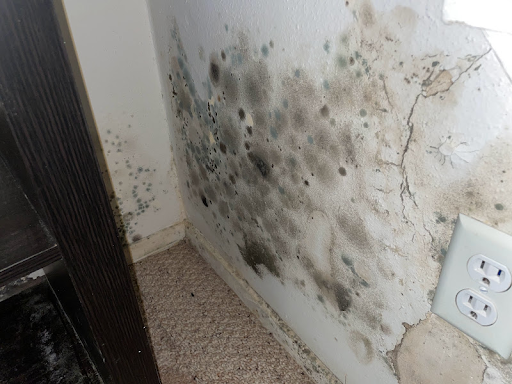
Porous building materials — drywall, wood, insulation, plaster, and some paints — are penetrable. Mold hyphae (the root-like structures) burrow into pores and gaps beneath the visible surface. When you spray bleach on porous material, two things often happen:
• The bleach solution sits on the surface long enough to discolor and kill superficial spores, so the stain disappears.
• The water in the bleach solution can penetrate deeper than the bleach chemical’s effective action, carrying moisture into the substrate and sometimes feeding remaining mold growth.
Because bleach does not fully penetrate or leave a protective residue in many porous materials, spores and hyphae can regrow after the bleach evaporates. That’s why surface cleaning sometimes produces a short-term improvement but not a permanent fix.
Health and safety concerns with bleach
Bleach produces fumes that irritate eyes, throat, and lungs; people with respiratory conditions, asthma, or chemical sensitivities can react strongly. Mixing bleach with ammonia, vinegar, or other household cleaners can generate toxic gases (chloramine or chlorine gas) — a dangerous hazard. Bleach is also corrosive and can damage metal fixtures, deteriorate grout over time, and strip finishes.
Because of these health and material risks, bleach is not a catch-all solution. Treating moderate to large infestations with bleach — especially in enclosed or poorly ventilated spaces — is not recommended.
When bleach might be acceptable
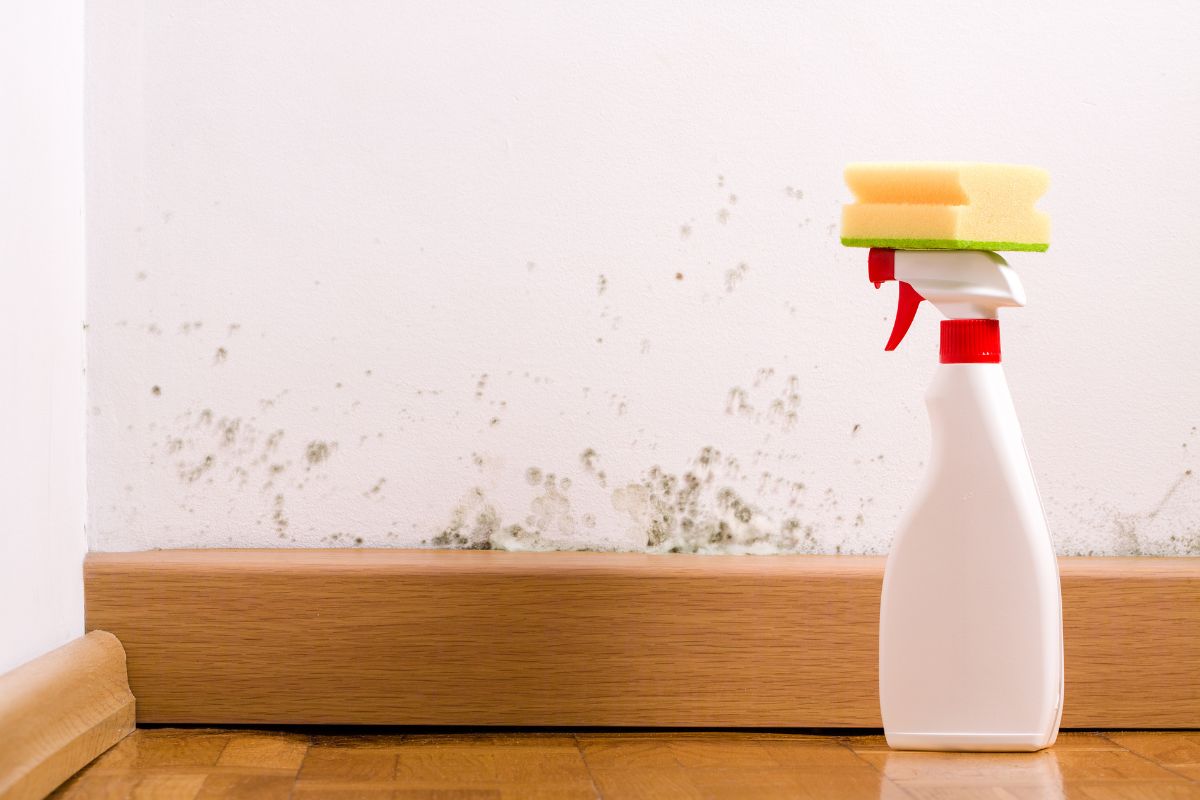
Bleach can be a reasonable, affordable option for tiny mold spots on non-porous surfaces: a small patch on glazed tile, a painted cast-iron tub, or glass. Even then, use it carefully: ventilate the room, wear gloves and eye protection, and never mix with other chemicals.
For most porous materials and any area larger than a few square feet, consider alternatives that address the mold’s root and the moisture that supports it.
Safer and more effective alternatives
• Clean first, then treat: For light surface contamination on non-porous surfaces, scrub with detergent and water to remove spores and organic matter; follow with a disinfectant or an EPA-registered product designed for mold control.
• Mechanical removal: For porous materials that are moldy (drywall, insulation, carpeting), removal and replacement is often the only reliable method. Simply bleaching the surface won’t reach organisms embedded inside.
• Use HEPA-filtered vacuums and containment to limit spore spread during cleanup.
• Drying and moisture control: Removing moisture sources and thoroughly drying the area is essential. Without moisture control, mold will almost always return.
• Professional products and protocols: Mold remediation companies use industry-approved fungicides, encapsulants when appropriate, and equipment like industrial dehumidifiers and negative-air machines to remove spores and reduce humidity. These approaches are results-driven and often necessary for recurrent or extensive problems.
What a professional Mold Remediation Company does
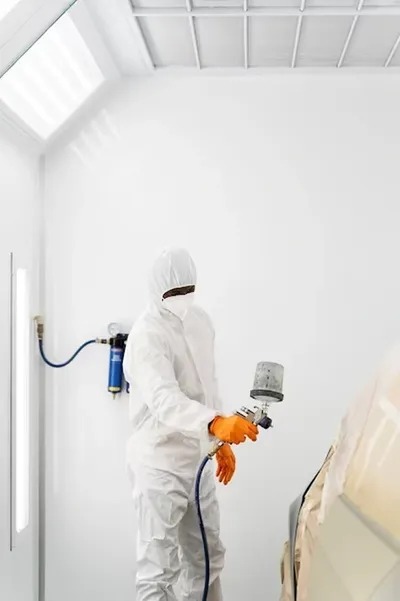
When you hire a reputable mold remediation company, they focus on both removal and source control. Typical steps include inspection and moisture assessment; containment to block spores from migrating to clean areas; removal of contaminated materials where needed; HEPA vacuuming and air filtration; targeted cleaning with approved agents; and thorough drying. A quality company will also identify and correct the moisture problem — plumbing leaks, HVAC or venting errors, roof leaks, or condensation — so the mold cannot easily return. Choosing a trusted, well-experienced, top-rated firm gives you a scalable, documented solution rather than a temporary cosmetic fix.
DIY: What you can safely do (and when to stop)
If the affected area is very small (generally under 1–2 square feet), you can follow safe DIY steps:
1. Wear PPE: gloves, eye protection, and an N95 respirator at minimum.
2. Ventilate the area and isolate it if possible.
3. Remove loose mold with a brush and detergent solution; don’t dry-scrub — do this gently to avoid spreading spores.
4. Clean hard surfaces with detergent and water; use a HEPA vacuum afterward.
5. Dry the area thoroughly and fix the obvious moisture source.
Avoid using bleach on porous materials, and stop immediately and call a professional if the mold is extensive, returns quickly, or if anyone in the home has respiratory issues. If HVAC systems are affected, always call a mold remediation company — mold in ducts spreads spores widely and can affect indoor air quality throughout the building.
Real-world case study
A homeowner found repeated mold spots on bedroom baseboards and drywall near a bathroom. They had used bleach several times, and the black stains faded temporarily but returned. A local, reliable mold remediation company was hired. Inspection revealed that the bathroom’s exhaust fan vent terminated inside a wall cavity rather than to the exterior, sending warm, humid air into the wall and attic. The remediation company contained the area, removed contaminated drywall and insulation, and replaced them with new materials treated to resist future growth. They installed proper venting for the bathroom fan, used HEPA filtration during work, and ran industrial dehumidifiers until moisture levels stabilized. Follow-up checks showed no recurrence, and the homeowner reported no further musty odors. The key difference between the homeowner’s bleach attempts and the professional solution was addressing the moisture source and removing contaminated materials — a scalable, proven approach that delivered lasting results.
Costs and when to call a pro
Small, isolated patches can be handled affordably by homeowners following safe practices. But if mold covers a large area, involves HVAC systems, or is recurring, hiring a professional mold remediation company is the reliable choice. Costs vary by size, scope, access, and repairs required; a trusted company will provide a clear scope of work, itemized pricing, and verification after completion. Paying for a reputable, results-driven service is often more cost-effective in the long run than repeated DIY attempts that leave the problem unresolved.
Prevention: the long-term strategy
• Eliminate moisture drivers: repair leaks, reroute improper venting, and address condensation issues.
• Control humidity: keep indoor relative humidity below about 50% where possible. Use ventilation fans and dehumidifiers in humid climates.
• Insulate and air-seal: proper insulation and sealing reduce temperature differentials that cause condensation.
• Inspect regularly: spot-check areas prone to moisture (bathrooms, basements, attics) so small problems are caught early.
• Choose quality contractors: when repairs or remediation are needed, pick a durable, industry-leading, well-experienced provider — ideally one with top-rated local reviews and clear documentation practices.
Conclusion
Bleach can make mold disappear from view on hard, non-porous surfaces, but it often fails to address mold embedded in porous materials or to stop regrowth when moisture persists. For lasting, reliable results — especially with larger or recurrent infestations — the best approach is to address the moisture source, remove or properly treat contaminated materials, and, when warranted, hire a reputable mold remediation company like Eco Kauai Services, which uses proven methods tailored to the island’s climate. That combination of prevention, mechanical removal, and professional techniques delivers the durable protection most homeowners want.