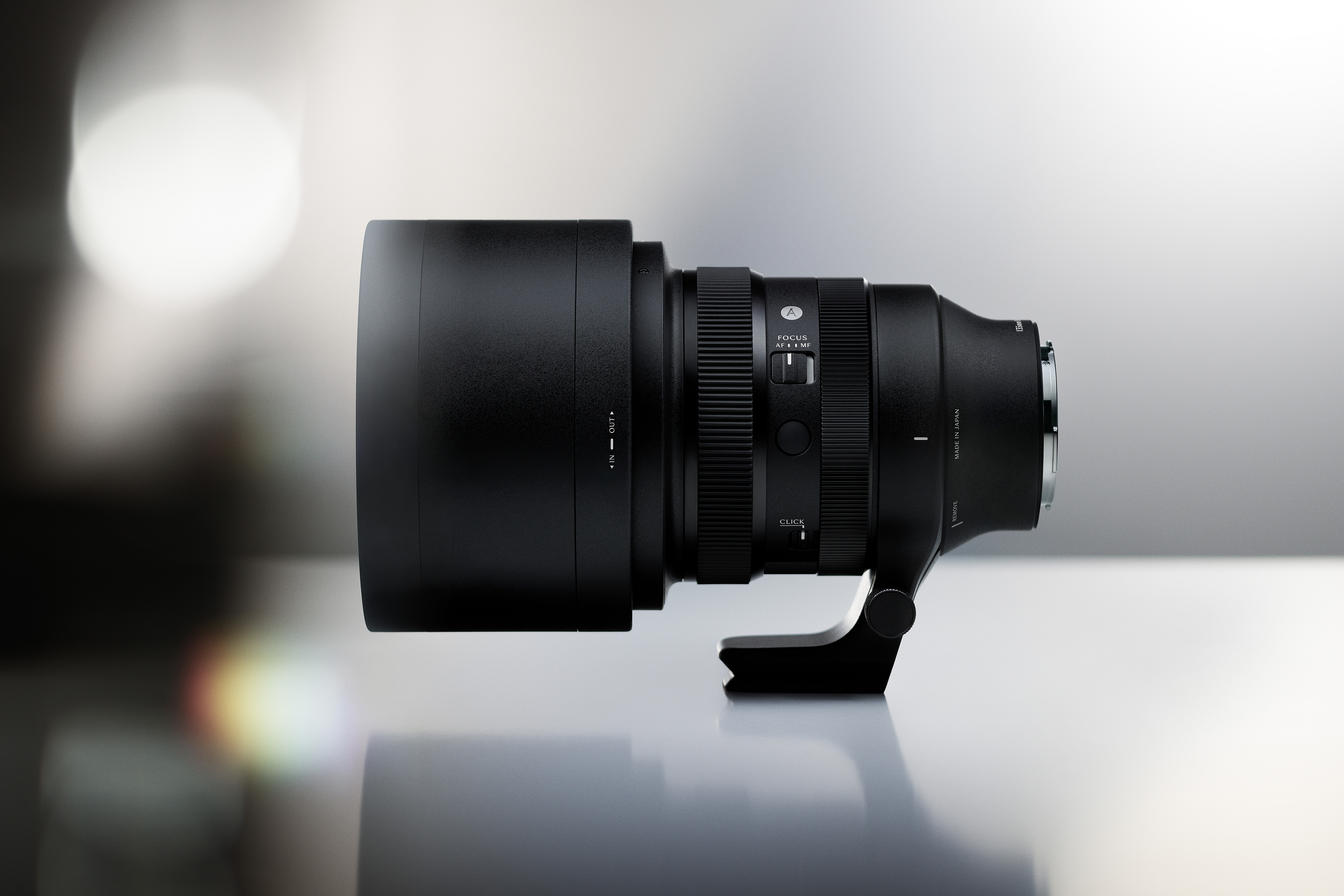
The Sigma 135mm F1.4 AF is a lens designed for precision, detail, and creamy background separation, making it a powerhouse for portrait and headshot photography. Studio setups often demand consistency, sharpness, and reliable focus, and this lens delivers exactly that. With the right lighting techniques and focus strategies, photographers can maximize its potential to create professional-quality headshots that stand out.
Why the Sigma 135mm F1.4 AF is Ideal for Headshots
Headshots require lenses that balance sharp detail with flattering background blur. The 135mm focal length naturally compresses facial features, resulting in a refined and flattering look. At f/1.4, the lens offers a wide aperture that produces shallow depth of field, drawing attention directly to the subject’s eyes. Its autofocus system is fast and accurate, which is essential for capturing subtle expressions in controlled studio conditions.
Setting Up Studio Lighting for the 135mm F1.4 AF
Lighting plays a crucial role in shaping headshots, and this lens works beautifully with a range of setups. A classic three-point lighting arrangement ensures balanced results:
- A key light positioned at a 45-degree angle to highlight facial features.
- A fill light opposite the key to soften shadows.
- A hair or rim light placed behind the subject to separate them from the background.
The wide aperture allows you to use lower-powered strobes or continuous lights, as the lens gathers plenty of light even at reduced intensity. If you want a soft and flattering look, pair the 135mm with large softboxes or beauty dishes to evenly illuminate skin textures.
Mastering Focus Accuracy with the 135mm F1.4 AF
At f/1.4, depth of field can be razor-thin, making precise focus absolutely critical. Always ensure the focus is locked on the subject’s eyes, as they are the focal point of any portrait. Eye-detection autofocus in modern cameras works seamlessly with the Sigma 135mm, but manual fine-tuning may be necessary in tethered studio sessions. If your subject moves even slightly, consider narrowing the aperture to f/2 or f/2.8 for extra leeway without losing too much background blur.
Controlling Depth of Field for Professional Results
The beauty of this lens lies in its ability to isolate subjects. In a studio, where the background might be plain or textured, controlling depth of field enhances the final look. For corporate headshots, slightly stopping down the aperture ensures sharpness across the entire face. For more artistic or creative portraits, shooting wide open creates dreamy separation and a painterly quality in the images.
Managing Distance and Framing
With its 135mm focal length, the lens requires you to stand further back from your subject compared to shorter focal lengths. This distance not only creates natural compression but also gives your subject space to feel comfortable during the session. It’s ideal for tight head-and-shoulder framing, which remains the standard for professional headshots.
Post-Processing Considerations
The Sigma 135mm F1.4 AF produces crisp images straight out of the camera, but post-processing can fine-tune results. Minor skin retouching, contrast adjustments, and color grading will polish the final look. Since the lens already delivers excellent micro-contrast and detail, editing is often minimal, letting you retain a natural yet refined finish.
Final Thoughts
The Sigma 135mm F1.4 AF is a remarkable tool for studio headshots, combining sharpness, flattering compression, and stunning bokeh. By pairing it with thoughtful lighting setups and precise focus techniques, photographers can achieve professional portraits that capture both character and detail.