Pulmonary embolism (PE) is a serious and potentially life-threatening condition that occurs when a blood clot travels through the bloodstream and blocks an artery in the lungs. This blockage restricts blood flow, reduces oxygen levels, and can damage lung tissue. Understanding pulmonary embolism, its symptoms, causes, and treatment options is essential for early diagnosis and timely care.
What is Pulmonary Embolism?
Pulmonary embolism is usually caused by deep vein thrombosis (DVT), a condition where blood clots form in the deep veins of the legs or pelvis. When these clots dislodge, they travel to the lungs, leading to partial or complete obstruction of the pulmonary arteries. The severity of PE depends on the size and number of clots, as well as the patient’s overall health.
Common Symptoms
The symptoms of pulmonary embolism can vary depending on the extent of blockage. However, some common warning signs include:
Sudden shortness of breath
Chest pain that worsens when breathing deeply
Rapid heartbeat or irregular pulse
Persistent cough, sometimes with blood-streaked sputum
Dizziness, sweating, or fainting
If these symptoms appear suddenly, immediate medical attention is crucial.
Risk Factors
Certain factors increase the risk of developing pulmonary embolism, including:
Prolonged bed rest or immobility
Recent surgery, especially orthopedic procedures
Obesity and smoking
Use of birth control pills or hormone replacement therapy
Family history of blood clots
Chronic illnesses like heart disease, cancer, or respiratory disorders
Understanding these risk factors helps in prevention and early diagnosis.
Diagnosis and Evaluation
To confirm pulmonary embolism, doctors may recommend several tests such as:
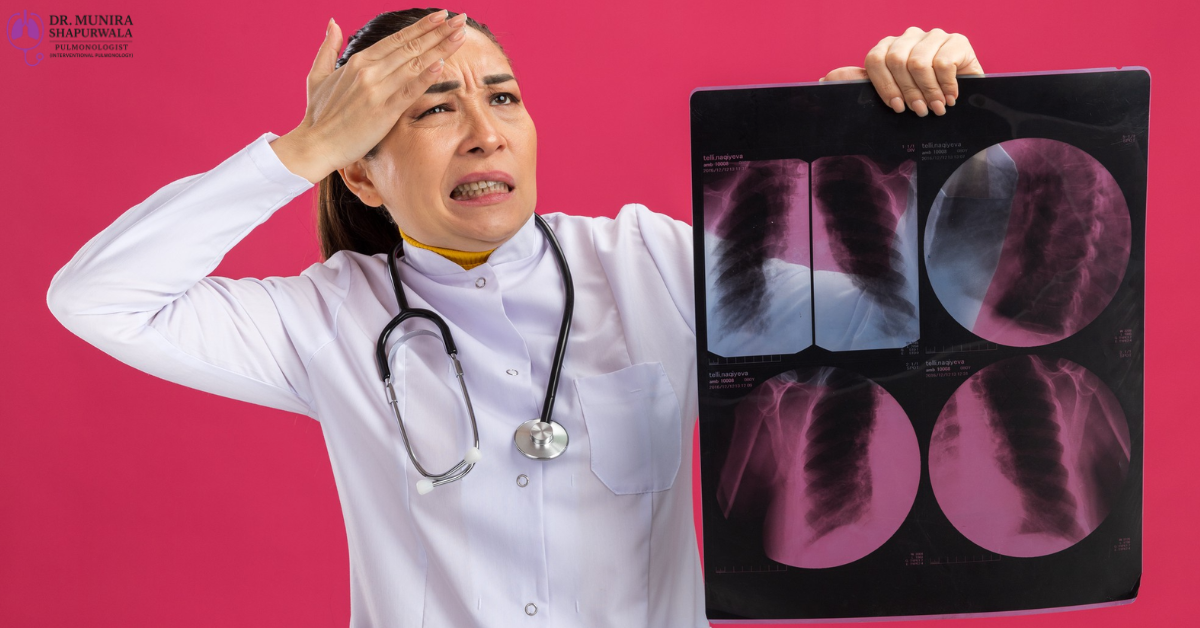
CT Pulmonary Angiography (CTPA): The most accurate test to detect blood clots.
D-dimer blood test: Checks for clot fragments in the bloodstream.
Ultrasound: To detect DVT in the legs.
Echocardiogram: To assess the impact of PE on heart function.
Pulmonary Embolism Treatment in Indore
Prompt treatment is vital to reduce complications and prevent recurrence. Pulmonary embolism treatment in Indore is available at advanced hospitals and clinics equipped with modern diagnostic facilities. Treatment options generally include:
Anticoagulants (blood thinners): Prevent new clots and stop existing ones from growing.
Thrombolytics (clot-dissolving drugs): Used in severe cases to break down large clots.
Surgical interventions or catheter-based procedures: To remove or dissolve clots directly.
Compression stockings and lifestyle changes: To prevent DVT and future embolisms.
Patients are advised to consult the best pulmonologist for personalized treatment plans, long-term monitoring, and preventive care strategies.
Prevention and Lifestyle Management
Prevention plays a significant role in reducing pulmonary embolism risk. Simple measures include staying active, avoiding prolonged sitting, maintaining a healthy weight, quitting smoking, and following prescribed medications after surgery or hospitalization.
Pulmonary embolism is a critical condition, but with timely diagnosis and effective management, patients can recover and lead healthy lives. If you or your loved ones experience sudden breathing difficulties or chest pain, seek immediate medical care. Choosing the best pulmonologist in Indore ensures expert guidance, accurate diagnosis, and comprehensive pulmonary embolism treatment tailored to your needs.