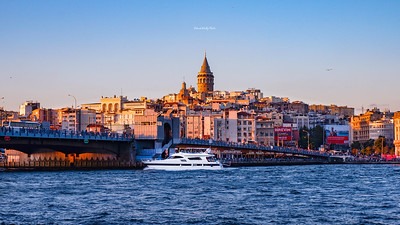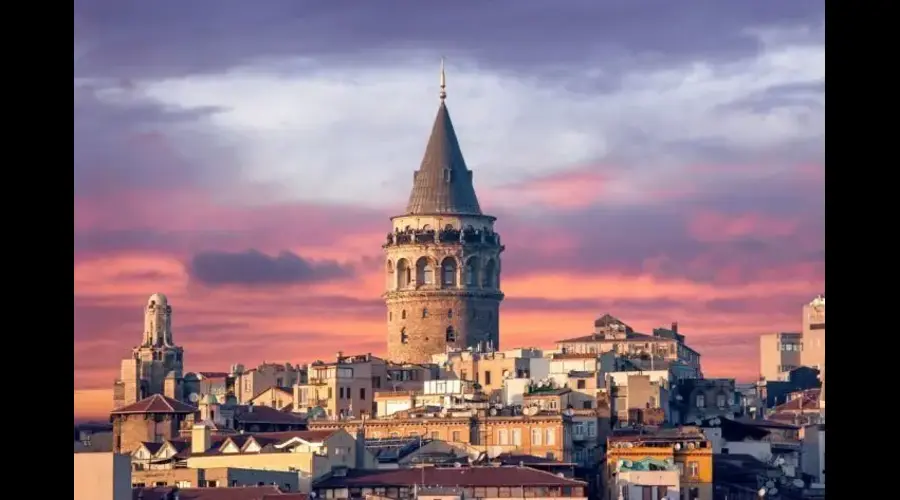
Perched high above the bustling streets of Istanbul, Galata Tower stands as one of the city's most iconic landmarks. This medieval stone tower has watched over the city for over 600 years, offering stunning panoramic views of Istanbul’s skyline, the Golden Horn, and the Bosphorus Strait. With its rich history, architectural beauty, and breathtaking vistas, a visit to Galata Tower is an essential part of exploring the vibrant heart of Turkey’s most famous city.
A Brief History of Galata Tower
The origins of Galata Tower can be traced back to the 6th century, when it was first built by the Byzantine Emperor Anastasius as part of the city's defense walls. Originally known as the "Christea Turris" (Tower of Christ), it was a Byzantine structure that later underwent numerous modifications over the centuries.
However, the version of the tower that stands today was constructed in 1348 by the Genoese settlers, who were in control of the area around the Galata district during the medieval period. The Genoese gave it its current name, "Galata Tower," after the district where it resides.
The tower has had many different functions throughout history. It was originally used as a watchtower to keep an eye on enemy ships approaching the Golden Horn. In the 15th century, after the Ottoman conquest of Constantinople, it became part of the city’s fire lookout system and even served as a military tower at various points. In modern times, Galata Tower has transformed into one of Istanbul's most popular tourist attractions.
Architectural Beauty
Standing at a height of 66.9 meters (approximately 220 feet), Galata Tower is a remarkable example of medieval architecture. Its conical roof, made of lead, gives it a distinctive look that rises above the other buildings in the area. The tower is built from smooth-cut stone, with an octagonal base and narrow windows, lending it a sturdy, fortress-like appearance.
As you ascend the tower’s spiral staircase or take the modern elevator to the top, you’ll notice the thick walls and narrow windows, which were originally designed for defense. The tower’s ability to withstand centuries of earthquakes, fires, and wars is a testament to the ingenuity of the builders.
At the top, the tower has been transformed into a modern observation deck, complete with a restaurant and cafe offering the perfect spot to relax while enjoying the view.
The Breathtaking Views
The most striking feature of Galata Tower is the 360-degree view it offers of Istanbul and beyond. The panoramic vistas from the tower’s observation deck allow you to take in the beauty of the city from an entirely new perspective. On a clear day, you can see:
The Golden Horn, where the waters of the Bosphorus and the Sea of Marmara converge.
The bustling streets of Beyoğlu and the Galata Bridge, a vital link between the European and Asian sides of Istanbul.
The magnificent Hagia Sophia and Blue Mosque, two of Istanbul's most famous landmarks.
The Bosphorus Strait, stretching out into the distance with ships passing through.
The historic Topkapi Palace and the Hippodrome, where chariot races were once held during the Byzantine era.
Whether you're visiting at dawn to catch the sunrise, or at dusk to watch the city light up, the views from Galata Tower are truly spectacular. It’s the perfect spot for photographers and anyone looking to capture the beauty of Istanbul from above.
A Legend of Flight: Hezarfen Ahmed Çelebi
One of the most famous legends associated with Galata Tower is the story of Hezarfen Ahmed Çelebi, a 17th-century Ottoman scientist and aviator. According to historical accounts, Hezarfen Ahmed Çelebi is said to have flown from the tower to the opposite shore of the Bosphorus in 1638 using homemade wings, making him one of the first pioneers of flight in history. The legendary flight, while disputed by some historians, adds a sense of mystique and adventure to the tower’s legacy.
Today, you’ll find plaques and markers around the tower commemorating his daring feat. Whether or not the legend is entirely true, it serves as a testament to the curiosity and ingenuity that has long been associated with the tower and the people of Istanbul.
Exploring the Galata Neighborhood
Galata Tower isn’t just an attraction on its own—it’s located in one of Istanbul’s most vibrant neighborhoods, Galata, which is worth exploring on foot. The neighborhood itself has a rich cultural heritage, filled with cobbled streets, boutique shops, cafes, and historic buildings. Here are a few highlights:
Galata Bridge: Just a short walk from the tower, this iconic bridge connects the historic Sultanahmet district with Beyoğlu. It’s a great place for a leisurely stroll, watching fishermen casting their lines or enjoying views of the Golden Horn.
Istiklal Avenue: A bustling pedestrian street that runs from Taksim Square to Galata Tower, Istiklal is lined with shops, restaurants, and cultural venues. The street has a lively, cosmopolitan vibe, with a mix of historical buildings and modern establishments.
Galata Mevlevihanesi (Whirling Dervishes Museum): This historical building is a must-visit for those interested in Turkish culture and Sufism. It once served as a lodge for the Mevlevi Order, also known as the Whirling Dervishes, and is now a museum showcasing their spiritual and cultural practices.
Cafes and Restaurants: The area around Galata Tower is filled with charming cafes and restaurants, many of which offer stunning views of the tower itself. Whether you're in the mood for traditional Turkish tea or a full meal, you'll find plenty of places to relax and enjoy the atmosphere.
Practical Tips for Visiting Galata Tower
Opening Hours: Galata Tower is open daily, with extended hours in the summer months. It's best to visit early in the day or late afternoon to avoid the crowds, especially if you want to enjoy a peaceful moment on the observation deck.
Ticket Prices: Entrance to the tower requires a ticket, and there’s often a small additional charge for using the elevator. Discounts may apply for students and children, so it’s worth checking in advance.
Best Time to Visit: The views from the top are magnificent all year round, but if you're looking for a special experience, visiting around sunset or during the golden hour is ideal. You can watch the city bathed in warm light as the night begins to fall.
Accessibility: While the elevator makes it easier for visitors with limited mobility, the narrow stairs may be a challenge for some. There are also some crowded moments, so patience is key if you’re visiting at peak times.
Conclusion
Galata Tower is more than just a tourist attraction—it's a symbol of Istanbul's rich history and cultural diversity. From its medieval origins to its role in the city’s modern skyline, the tower encapsulates the spirit of this fascinating city. Whether you're admiring the view from the top, learning about its legendary past, or simply soaking in the atmosphere of the surrounding neighborhood, Galata Tower is an experience that should not be missed during your visit to Istanbul.