Creating truly inclusive workplaces means more than ramps and wide doors. Thoughtful office design—paired with the right modern office furniture—removes everyday barriers so every employee can work comfortably, safely, and productively. This guide walks through practical principles, furniture choices, layout strategies, tech solutions, procurement tips, and a compact case study to help you make spaces that welcome everyone.
Why accessibility matters (beyond compliance)
Accessible design isn’t just a legal checkbox or a nice-to-have perk. It supports business outcomes:
• It expands the talent pool and improves retention by sending a clear message: this company values diversity and practical inclusion.
• It reduces injury risk and ergonomics-related absence, which lowers long-term costs.
• It improves productivity and creativity by allowing people to focus on work instead of managing avoidable barriers.
• It strengthens brand reputation as a trusted, reliable employer that invests in people.
These benefits are achieved most effectively when accessibility is treated as a design principle rather than an afterthought.
Core principles of accessible office design
Adopt these principles early in planning and carry them through procurement, fit-out, and operations:
• Universal design: Create spaces that work for the widest range of people without special adaptation.
• Flexibility and adjustability: Provide choices—seating, desk heights, lighting levels—so users can configure the environment to their needs.
• Clear circulation and wayfinding: Ensure routes are obvious, clutter-free, and wide enough for mobility devices and gentle traffic flow.
• Perceptible information: Use clear signage, high-contrast graphics, and multi-sensory cues (visual + tactile + auditory where appropriate).
• Low sensory load: Control noise and lighting for neurodiverse employees—offer quiet rooms and soft-finish, sound-absorbing elements.
• Maintenance and durability: Choose affordable, proven solutions that are easy to clean, repair, and maintain to sustain accessibility over time.
Modern office furniture that improves accessibility
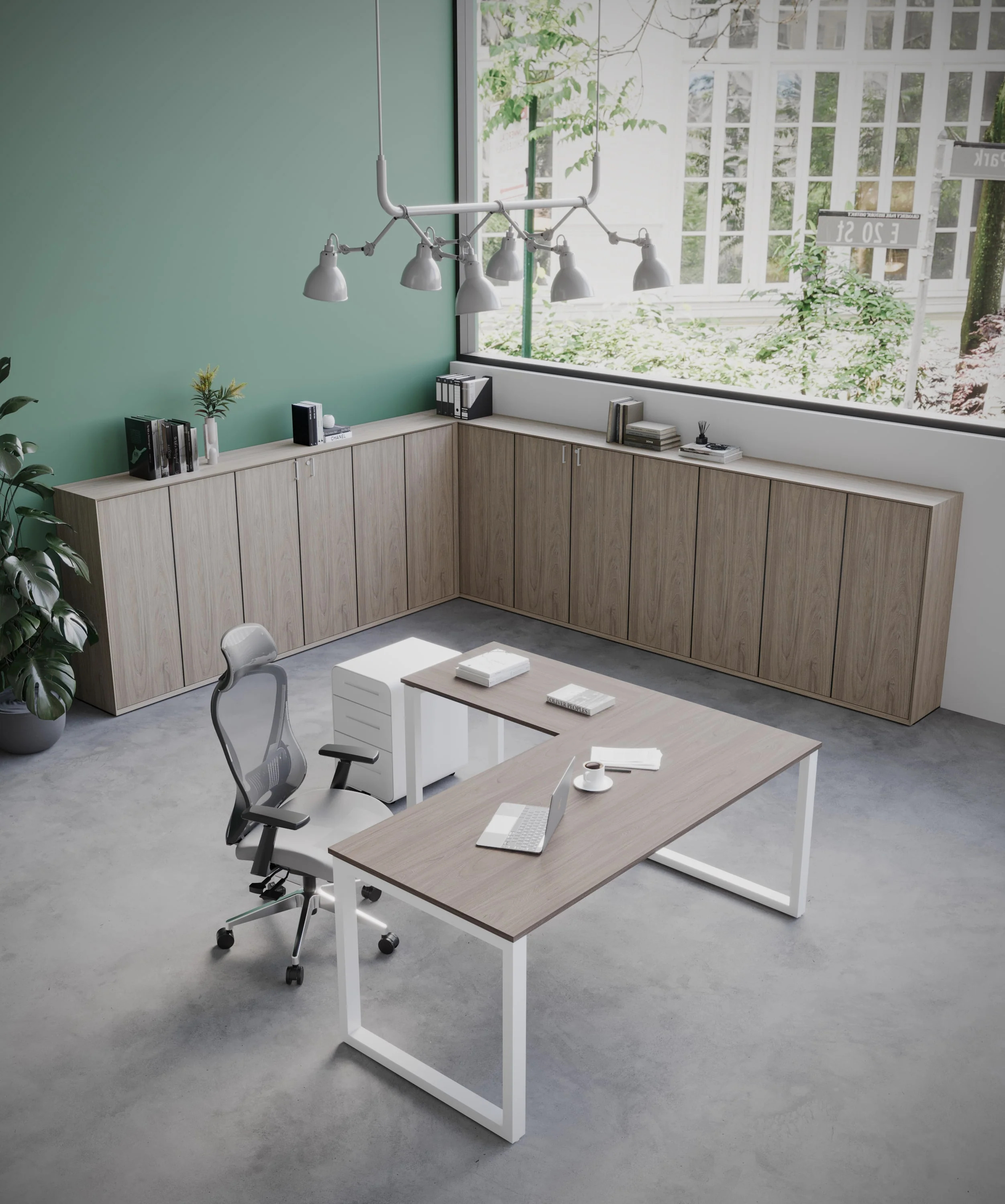
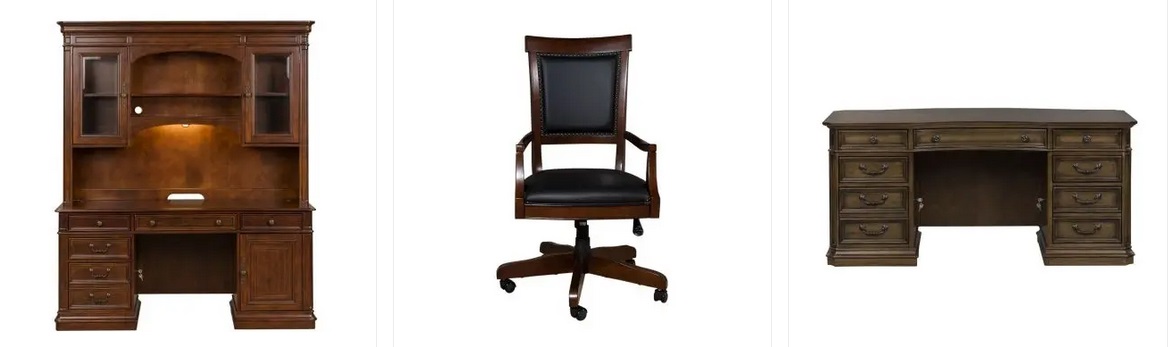
Selecting the right modern office furniture is one of the fastest ways to make daily work easier for everyone. Consider these categories and features:
Height-adjustable desks and workstations
Sit-stand desks with smooth, electronic adjustment let people set work surface height precisely. Look for desks with programmable presets so different users can recall saved heights instantly. These are industry-leading in reducing discomfort and supporting a variety of users.
Ergonomic chairs with wide adjustability
Chairs should offer adjustable seat height, lumbar support, armrest width/height, and seat tilt. Choose models that are top-rated for adjustability and available in sizes that fit a diverse workforce.
Wheelchair-accessible tables and meeting desks
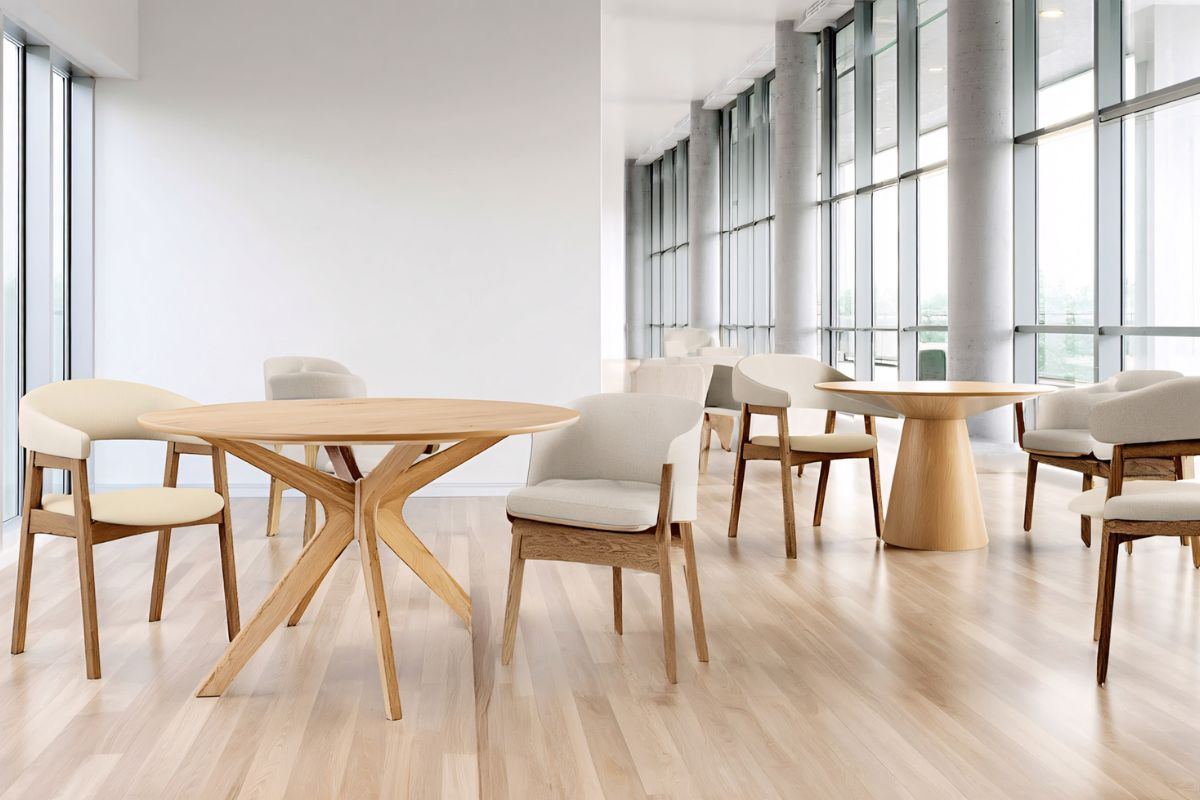
Meeting rooms should include at least one table with a clear knee space and adjustable height or modular legs. Portable or folding accessible tables can be a reliable, affordable option for multi-use spaces.
Modular and reconfigurable furniture
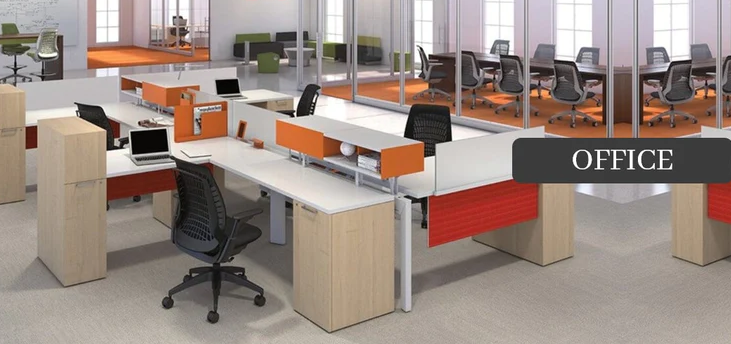
Benching systems and modular seating allow spaces to be reconfigured for different needs—creating private focus zones, collaborative areas, or accessible layouts with minimal cost and waste.
Acoustic and sensory-friendly furnishings
Soft panels, upholstered screens, and sound-absorbing ceiling clouds reduce ambient noise. For neurodiverse staff, include low-reflectance surfaces and subtle color palettes to limit sensory overload.
Easy-operate storage and hardware
Drawers and cabinets should have easy-grip handles and accessible lock mechanisms. Lower shelving and pull-out storage reduce the need for reaching or step-ladders.
Integrated technology furniture
Desks and tables that integrate cable management, built-in power, and monitor arms reduce clutter and allow ergonomic positioning of screens and devices—critical for people with limited mobility.
Designing layout and circulation for real use
Good furniture is only effective when arranged to support movement and sightlines.
• Design primary aisles that allow two people or a mobility device to pass comfortably; aim for generous clearance in busy zones. (As a rule of thumb, plan main routes wider than small, secondary corridors.)
• Keep sight lines clear: low-profile furniture in central areas improves visibility and social connection while helping wayfinding.
• Entrances, reception, and meeting rooms should offer alternative access points and adjustable counters. Consider a reception desk with a lower accessible section.
• Provide a variety of spaces: quiet rooms for focused work, high-energy collaboration areas, and private rooms for phone or video calls.
Inclusive meeting rooms and collaboration spaces
Meetings can exclude participants without simple accommodations:
• Install captioning or transcription tools and ensure video platforms are enabled for captions.
• Use microphones and speakers positioned to capture voices clearly; consider portable lapel mics for larger groups.
• Offer flexible seating and clear space for someone using mobility equipment.
• Provide visual meeting materials in large, high-contrast fonts and share digital versions ahead of time for screen-reader compatibility.
Procurement, vendor selection, and policies
Make accessibility part of procurement criteria—not an afterthought.
• Add accessibility requirements to RFPs and purchase orders: adjustable height ranges, clear knee space, weight capacities, and warranty for moving parts.
• Trial key pieces before bulk purchase. Pilot programs reduce risk and reveal real ergonomic issues.
• Choose vendors with proven support and maintenance services; a reliable vendor partnership protects investment and uptime.
• Train facilities and HR teams to manage accommodations quickly and respectfully; clear internal policies speed workplace adjustments.
Budgeting and ROI: accessibility as an investment
Accessible changes range from low-cost to capital projects. To make investment decisions:
• Prioritize high-impact, affordable items first—height-adjustable desks, ergonomic chairs, improved lighting and signage. These are often the quickest to show results.
• Track metrics: employee satisfaction, retention, injury claims, and accommodation turnaround times. Over time, reduced turnover and fewer musculoskeletal complaints typically offset initial costs.
• Consider scalable approaches—start with a few flexible workstations and expand based on feedback and usage.
Composite case study — inclusive retrofitting at a mid-size agency
The challenge: A 150-person creative agency had frequent complaints about comfort and accessibility: narrow collaborative bays, only fixed-height desks, and noisy open-plan areas that affected neurodiverse staff.
Actions taken: The agency piloted a retrofit focused on modern office furniture and layout: 20 height-adjustable desks with programmable memory, a selection of high-adjustability ergonomic chairs, modular meeting tables (one with wheelchair-accessible clearance), and acoustic pods for focused work. A small procurement policy was added so all future furniture bids included accessibility specs.
Outcomes (composite, aggregated results): Within six months the agency reported a noticeable drop in ergonomic complaints and faster accommodation fulfillment. Staff surveys showed improved satisfaction with workspaces, and managers reported smoother collaboration in meetings. The pilot helped justify a larger roll-out plan without requiring a full office rebuild.
Note: this case study is a composite example based on common, real-world projects and industry best practices; it is intended to illustrate a practical implementation pathway rather than to represent a single specific company’s data.
Practical, ready-to-use accessibility checklist
• Audit current layouts with people who have lived accessibility experience.
• Install at least some height-adjustable workstations and ensure monitor arms are available.
• Provide a selection of ergonomic chairs in different sizes.
• Create at least one accessible meeting room with an adjustable table.
• Add quiet rooms or low-sensory zones.
• Use high-contrast signage with clear type and pictograms; add tactile cues if appropriate.
• Ensure clear, clutter-free circulation routes and designated accessibility parking/drop-off.
• Choose modern office furniture with good warranties and vendor support.
• Train staff and managers on accommodation policies and respectful communication.
FAQs
Q: What’s the single best furniture investment for accessibility?
A: A height-adjustable desk is often the most flexible, inclusive investment because it supports people with mobility needs, reduces strain, and benefits those who prefer sit-stand options.
Q: How can a small company afford accessible design?
A: Start small—retrofit a few workstations, convert one meeting room, and prioritize flexible, affordable pieces. Many vendors offer financing or staged purchases to spread cost.
Q: Will modern office furniture help neurodiverse employees?
A: Yes. Furniture that supports choice (private pods, soft seating, acoustic solutions) and control over sensory inputs (adjustable lighting, reduced glare) can make the workplace far more comfortable for neurodiverse staff.
Q: Should accessibility be part of sustainability planning?
A: Absolutely. Durable, modular furniture reduces waste by lasting longer and being reconfigurable; selecting trusted, repairable products is both accessible and sustainable.
Q: How do I measure success after making changes?
A: Track employee feedback, accommodation request turnaround time, absenteeism related to musculoskeletal issues, and retention—qualitative and quantitative data together show impact.
Conclusion
Designing accessible offices is a practical, strategic move that improves employee wellbeing and business performance. Modern office furniture—when chosen for adjustability, durability, and user-friendliness—can transform barriers into options. Start with small, proven changes, involve employees with lived experience, and treat accessibility as an ongoing, results-driven part of workplace strategy.
Partnering with trusted providers like Indoff Office Interiors ensures you’re selecting innovative, industry-leading solutions that balance accessibility with style and function. With the right guidance and modern office furniture, you can create a workplace that reflects inclusivity, strengthens your employer brand, and empowers every employee to do their best work.