





When you type something into a search engine, you’re on a mission — you want clear, fast, reliable answers. But there are certain kinds of websites you’ll often skip over without hesitation. Here are eight types that consistently fail to win trust — based on what thought leaders in content, SEO, business, and tech say.
Sign-Up Walls Block Access to Valuable Content
I really dislike those sites that put up a sign-up wall before you even see a single word of content. If I am searching an information about something, I usually do not want to provide my email or personal information just to learn the basics. It tells as if they are trying to sell it to you before any trust has even developed, so I usually just scroll past it immediately.
Just recently, I was researching information on new irrigation technology and I clicked on a link that appeared to have some promising information. However, before I could read the first sentence, the entire page was preempted by a demand for my name, email and phone number. Within an instant, I closed it and immediately went back to a simpler site that gave me the entire article without placing any barriers or walls in front of the information. The latter site did not look nearly as polished as the first, but the information was clear and I got what I needed in under five minutes, plus saved myself a headache.
Johannes Hock, President, Artificial Grass Pros
-------------------------------------------
Trust Only Verified Regulatory Sources with Citations
When two sites are equally ranked in search results we only trust the content that lists original regulatory reference material. It is clear, if our search listing results point to a non primary source, like a vendor non citation, we cannot trust its content. We also check the the time stamp using the Wayback Machine tool to ensure that it gets updated after regulatory change events take effect, like the MDR transition deadlines from May 2024 now shifted to December 2027. When a site does not include accountable authors with verifiable credentials or unidentified authors, we will not include it in domestic decision making activities. Measuring the amount of filtering we do has saved us from regulatory non conformance in every notified body audit we have participated in since getting certified back in 2019.
Allan Murphy Bruun, Co-founder and Director of Business Development, SimplerQMS
-------------------------------------------
Current Financial Regulatory Information Matters Most
Outdated financial regulatory sites are the ones I scroll past quickest. When I'm researching, I need clarity and current informationnot rules from years ago that no longer apply to commercial lending or bridge loans. Generally speaking, you're in good shape with a resource as long as it reflects live conditions in the lending market. I've also found generic loan comparison sites to be distracting, since they're usually geared toward personal loans and don't understand the scale or nuances investors truly face. If I'm digging into options, I'd rather spend that time with specialized sources that address real transaction sizes and structures.
Edward Piazza, President, Titan Funding
-------------------------------------------
Vague Technical Advice Poses Serious Safety Risks
Typically, I disregard sites with clickbait headlines or assorted pop-ups. When I notice pages covered with unending ads and no content, I doubt that the page is providing reliable information, they are likely trying to gain traffic. If I find that the content is vague or whatever, it takes more than 20 seconds to find the main point, I don't even take the time to check back to the article later on.
I'm also not going to stay on sites that give vague and generic advice or suggestions. My trade is a profession where vague guidance can lead to unknown dangers. If you tell me that an electrical safety page is vague or vague information without technical detail without any specific details, I instantly check out. I want to know that a cable can carry 10 amps instead of filler sentences about electricity or beginner information.
Jason Rowe, Director & Founder, Hello Electrical
-------------------------------------------
Clear Information Trumps Deceptive Marketing Tactics
I will scroll away from pages that appear confusing or deceptive, those upon which I am not able to instantly discern whether they will be useful to me or merely take up space. If the title is bad, or the site is packed with fluff before they get to the point of any useful information, bye-bye. In bail bonds, when a user searches "how bail works in California" or "bail bonds help," they require clarity ASAP. If your website doesn't clearly tell people what you do, where you are, and how you help, then you lose credibility on the spot.
I also avoid poorly usable websites, like slow loading times, cluttered menus, or hard-to-use pages on a mobile device. In what we do, people are going to be looking at pages from jail waiting rooms, from mobile phones, or under stress. If the website isn't responsive, or the contact information is obscured, that's a red flag. It means you don't respect their time or needs.
Finally, I skip pages with too much aggressive popups, too much marketing gobbledegook, or too much scare-mongering without enough substance. If someone's already in desperation mode, what they need most is compassion, clarity, and sound, honest advice. But if the page instead approaches like some sort of sales spiel, or tries to scare without enlightening, I scroll away.
Jesse Kleis, Spokesperson, Future Bail Bonds
-------------------------------------------
Fake Reviews Expose Affiliate Marketing Schemes
Those websites that are thin affiliate pages that are made solely for the purpose of pushing their products without adding any actual comparison are a hard pass for me. They offer no value to the reader and only a long list of "Top 10 Best" that make the customer click through so they can get a commission. I can identify these pages because every product receives a five-star recommendation, no bad reviews and the content is made directly from the manufacturer's site and not an actual experience of testing.
I recall searching for something related to noise canceling headphones while in Los Angeles. I clicked on one of these primarily affiliate-centered pages that only listed brands with five stars and, of course, "reviews" that sounded like they were copied straight from the product description on the manufacturer's website. I couldn't click back to the search results fast enough, and I ended up finding Reddit threads and tech forums where real people were posting about their authentic experiences.
Sean Clancy, Managing Director, SEO Gold Coast
-------------------------------------------
Evidence-Based Content Earns Professional Trust
I avoid websites which provide endless circular discussions without any numerical evidence. The lack of assumptions and timelines and risk sensitivity in market potential and cost and ROI statements on a page makes me distrust the information. I avoid visiting websites which present outdated information or lack proper citations or unverifiable charts that do not link to their original sources. I dismiss websites that conceal important information through aggressive lead forms and unclear pricing sections which require users to submit contact requests. I prioritize websites which provide clear methods and current references and straightforward frameworks that allow me to verify their accuracy. I refuse to read content that lacks auditability.
Brian Chasin, CFO & co-founder at SOBA New Jersey, SOBA New Jersey
-------------------------------------------
Business Advice Without Data Lacks Credibility
The kind of site I instantly scroll past in search results is where they express ideas of what they claim is "business advice as fact"without any data or evidence to support it. I see plenty of articles with titles like 'The Best Strategies For Growth' that are full of generic opinions and claims without any support. In my profession, we make decisions from supported information and not theory. If there are no supporting metrics, case studies or a link to the primary research on the page, I tend to assume it is not very substantive and I will not proceed with it. There is so much noise on the internet that, for me, if the content is not grounded in some proof, that is the first thing I will ignore.
Baris Zeren, CEO, Bookyourdata
Conclusion:
If you want your content or site to avoid these pitfalls, focus first on clarity, evidence, and respect for the user’s time. Don’t hide value behind forms or fluff. Show your work. Make it easy to believe you. If you want, I can help design this as a slide, PDF, or visuals for your presentation. Want me to format that for you next?


Best Digital Marketing Course Training Institute Online Class In TrichySEO SMM 100% Practical 15+ Google Certification Job Support
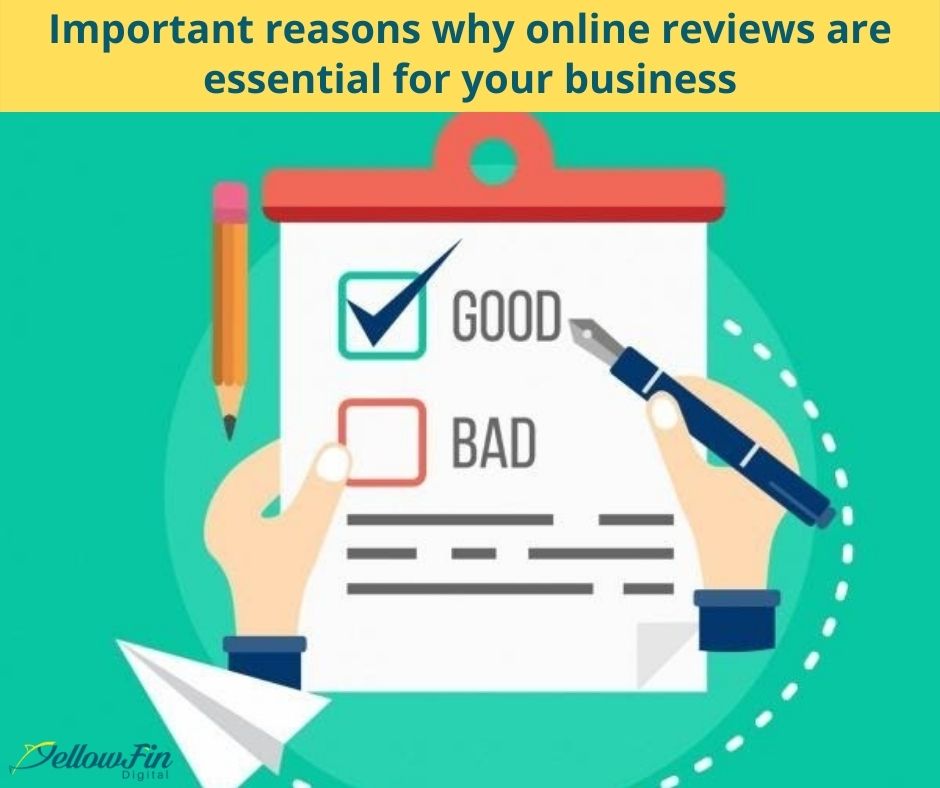
Online reviews are essential because they have become a reference point for buyers; it keeps control of the business’s online reputation.
Let’s know some of the important reasons why it is crucial for your business success and why it is so important.