





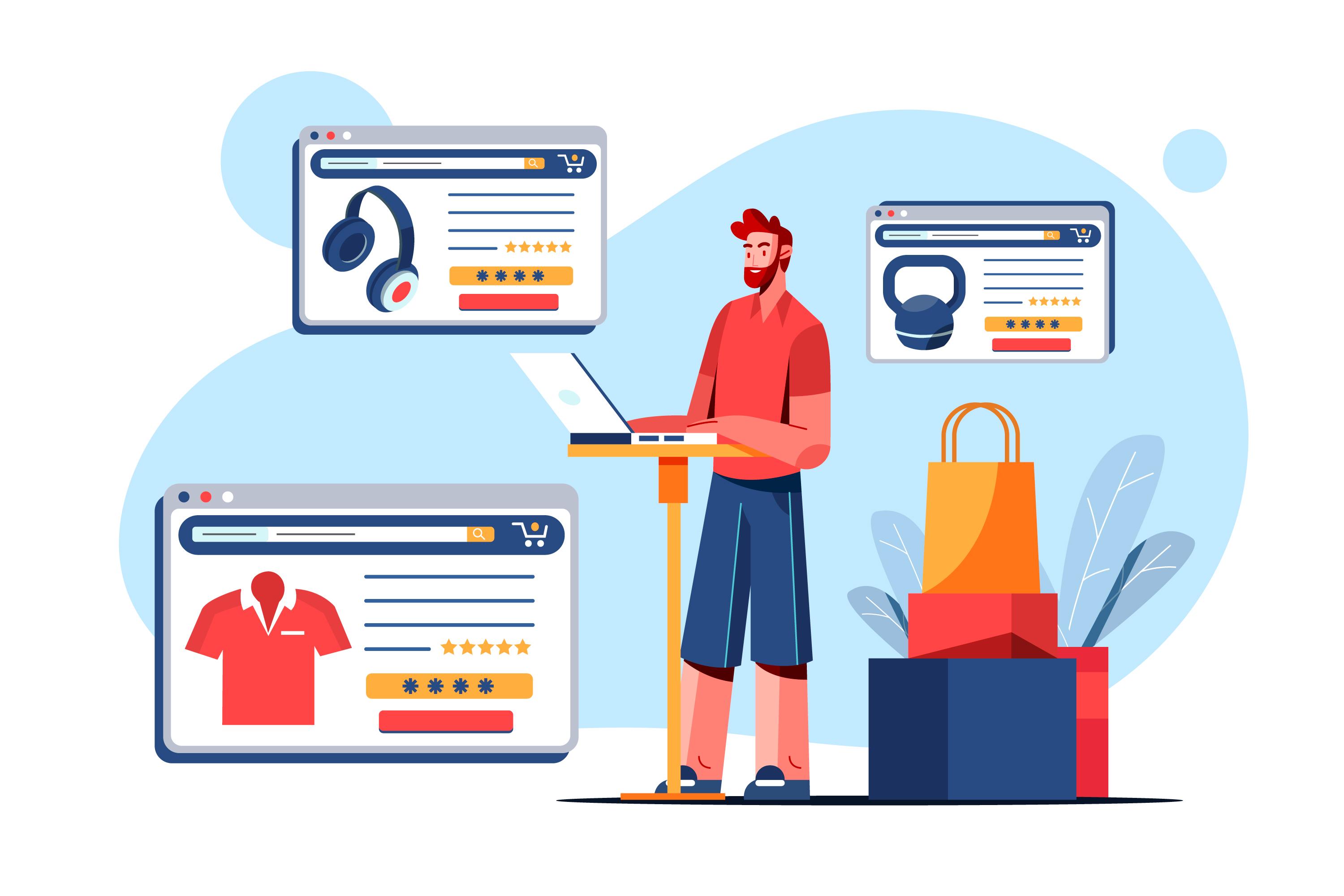
Customers in today’s digital age expect brands to know them, remember them, and delight them, making personalisation crucial. However, since third-party cookies are becoming obsolete and privacy regulations are becoming stricter, brands are modifying their tactics of delivering a customised experience. This is where first-party data plays a significant role- a sustainable and privacy-respecting means for personalisation. Like every other place, eCommerce business in Australia that uses first-party data tactfully can deepen customer trust, boost conversions, and future-proof its marketing.
In this blog, we will discuss what first-party data is and how to use it effectively.
Let’s get started!
What is FirstParty Data?
As the term implies, first-party data is information collected directly by your brand from your customers through interactions on your website, apps, emails, loyalty programs, in-store purchases, etc. You don’t buy this data from someone else but collect it yourself.
- Declarative Data: This includes information the user gives you explicitly, for example, name, email, postcode, preferences, etc.
- Behavioural Data: This data is derived from user actions, such as pages viewed, products browsed, purchase history, cart abandonment, etc.
First-party data is derived directly from the source and is more accurate, reliable, and privacy-compliant than third-party data.
Fun Fact: 78% of brands consider first-party data to be the most valuable data source for personalisation, up from 37% in 2022.
Why Personalisation Matters in Australia?
Australia has an established and competitive eCommerce market. What differentiates several brands from others is not just the product but the customer experience they offer,
Personalisation helps brands in different ways, such as:
- Better Conversion and Average Order Value (AOV): Offers that are relevant to customers, correct product recommendations, and personalised messaging lead to better conversions than generic campaigns.
- Establishing Brand Loyalty and Repeat Purchase: Brands that make customers feel seen and appreciated establish loyalty and repeat purchases.
- Cut Wasted Spend: Fewer irrelevant ads, fewer opt-outs, and better ROI.
- Stand Out in a Crowded Marketplace: Offering customers a well-executed personal experience gives brands a competitive edge.
Facts
- According to Publicis Sapient’s 2024 Digital Citizen Report for Australia, “48% of Australians are concerned about data privacy.”
- According to SecurityBrief, “Australians are notably receptive to AI technologies in online shopping. Approximately 32% use and find value in personalised discounts, 29% appreciate tailored recommendations, and 30% benefit from conversational assistants.”
- Retailbiz stated that “in Australia/NZ, respondents expect 60% of their revenue to come from digital channels in the coming years, meaning eCommerce will only become more central.”
Hence, for eCommerce businesses to thrive in Australia, personalisation is essential.
Using First-Party Data for Personalisation
Here’s how eCommerce brands can activate first-party data to deliver richer and relevant experiences:
- Segmentation & Dynamic Profiles: Create dynamic customer segments (for example, frequent shoppers, high spenders, cart abandoners, one-time purchasers). Updated data can be used to move users between segments and tailor messaging.
- Product Recommendations & Cross-sell / Upsell: Display “recommended for you” carousels, similar items, or complementary add-ons based on a customer’s browsing history, past purchasing behaviour, and predicted preferences.
- Personalised Email & SMS Journeys: Email triggers based on behaviour (i.e., browse abandonment, cart abandonment, post-purchase upsell, or re-engagement). Use the user’s data for personalised messaging (i.e., name, preferences).
- On-site Personalisation: Change banners, hero images, or CTAs based on the visitor’s segment. For example: "Welcome back, Sarah! Your favourite items have returned". Or real-time dynamic offers.
- Tailored Promotions & Offers: Offer coupons or discounts based on past purchase behaviour or preferences (i.e., "here’s a 10% off coupon for your next purchase in your top category").
- Retention & Loyalty Programs: Utilise first-party data to implement personalisation such as rewards, birthday offers, early access deals, or loyalty tiers based on purchase behavior.
- Retargeting / Remarketing (with consent): Leverage on-site behavior to retarget users (e.g., those who viewed but did not purchase), in owned channels (email, app) or through controlled ad audiences utilising first-party data-based audiences.
- Dynamic Pricing / Personalised Offers (with caution): In certain advanced scenarios, brands can test price points or personalised offers by segment, though extreme caution is warranted as guidelines around fairness, trust, and ethics should be adhered to.
- Predictive & AI models: Utilise your first-party data to inform models which predict churn, lifetime value (LTV), next best offer, or propensity to purchase, and take action based on insights.
- A/B Testing and Optimisation: Personalisation is not a one-and-done scenario; you should be constantly testing and optimising what messages, offers, and formats resonate with each segment, and adapt accordingly as you gather and observe first-party data.
Best Practices for Data Collection
Make sure you collect first-party data effectively and ethically. Here are some of the recommended practices:
- Be open and honest: Always be explicit about why you’re gathering data and what you plan to do with it.
- Reciprocate: Offer users incentives to sign up or take surveys, such as discounts, exclusive content, or loyalty benefits.
- Limit friction: Use progressive profiling (only ask for limited data, rather than everything at once).
- Take advantage of smart popups or quiz funnels: For example, preference quizzes, exit intent modals, or surveys that you can use to add a fun and engaging method for gathering opt-in data.
- Allow user control: Allow users to update their preferences or opt-outs, or make changes to how their data is used.
- Employ first-party cookies/tracking: Use first-party tags or cookies instead of third-party cookies.
- Segment and cleanse frequently: To ensure the data remains relevant and accurate, don’t hoard it, and remove dormant or outdated records.
- Implement consent management: CMPs we captured and administered, opt-ins, consent logs, and preferences.
- Data governance & retention policies: State clearly how long you retain each type of data and under what conditions it would be deleted or anonymised.
- Be non-invasive: Stay away from obnoxious or aggressive pop-ups and requests that would impede user experience.
Privacy and Compliance Considerations
- Privacy is a critical foundation for eCommerce brands in Australia.
- Privacy Act 1988 and Australian Privacy Principles (APPs): Governs collection, use, disclosure, storage, security, and access rights of personal information.
- Notifiable Data Breaches (NDB) Scheme: Notify affected individuals and the Office of the Australian Information Commissioner (OAIC) in case a data breach involving personal information is likely to result in serious harm.
- Consumer Data Right (CDR): Consumers have access to certain data held about them, which they can choose to share with accredited third parties.
- International Privacy Laws if applicable): If you cater to international customers, ensure you comply with GDPR or other regional laws.
Conclusion
First-party data is the backbone for personalisation in eCommerce, especially in Australia, where maintaining customer privacy is crucial. When ethically collected and used wisely, first-party data drives relevant experiences, deeper loyalty, and stronger ROI. But to succeed, brands need a tactical approach to data collection enabled through compliance, smart tools, and improved AI capabilities.
If you can strike the balance with your eCommerce brand between personalisation and privacy - by giving the customer control, transparency, and real value in return for their data - you won’t just survive the post-cookie world, you'll thrive in it.
If you want to use first-party data for personalisation, contact 18th Digitech Australia today!


CartUp AI is a cutting-edge AI solution for e-commerce.
It is a SaaS solution that delivers immediate e-commerce sales growth through powerful AI.
By deploying CartUp AI within their e-commerce platform, e-commerce merchants will improve e-commerce conversion and upsell through recommendations and Ecommerce Personalized search.