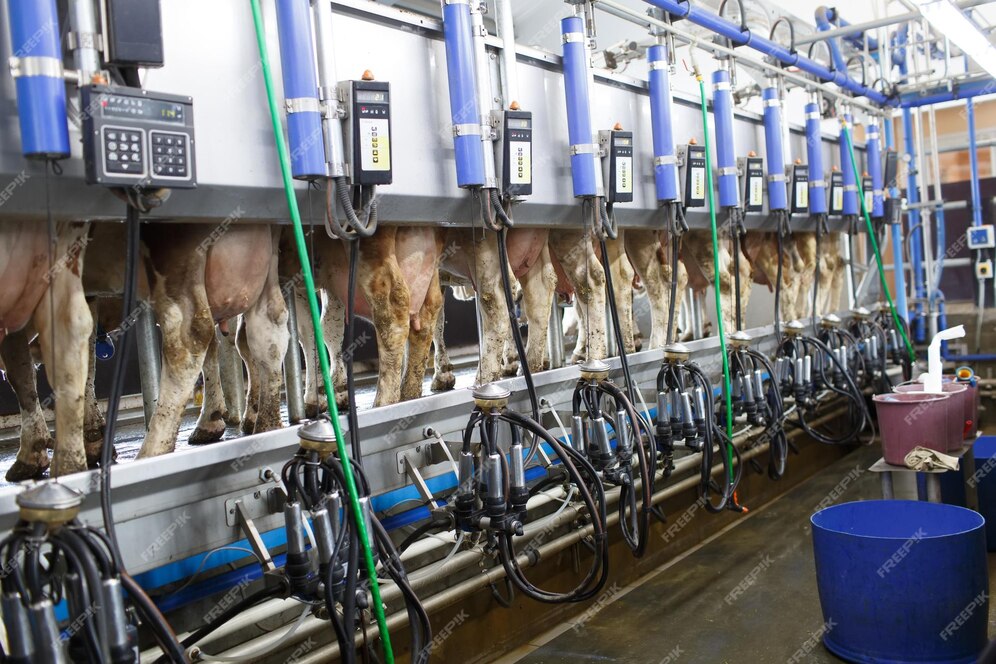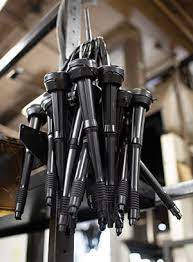



The milking automation market is projected to grow from an estimated USD 2.61 billion in 2025 to USD 3.68 billion by 2030, at a compound annual growth rate (CAGR) of 7.1%. This expansion is being driven by a convergence of factors, including rising global milk demand, labor shortages in the dairy sector, and increasing emphasis on enhancing livestock management while improving efficiency and sustainability. Traditionally reliant on manual processes, dairy farming is rapidly shifting toward automation through solutions such as robotic milking systems, automatic milking parlors, and advanced herd management platforms. These technologies aim to boost productivity and improve animal welfare.

Europe and North America are leading the adoption curve, thanks to larger, organized dairy farms and regulatory frameworks that facilitate technological integration. While adoption is strongest in these regions, global uptake is still in its early stages. However, consistent growth is expected as automation becomes essential to addressing global challenges such as food security, quality assurance, optimization of natural resources, and tailored production to meet evolving consumer needs.
Download PDF Brochure: https://www.marketsandmarkets.com/pdfdownloadNew.asp?id=265039621
Software’s Growing Role in Milking Automation
Within the milking automation market, software solutions are emerging as a major growth driver. Initially focused on simple yield logging, these systems have evolved into comprehensive decision-support platforms that integrate milking data with herd health, reproduction, nutrition, and compliance metrics. Herd management software now aggregates information from milking robots, parlors, sensors, and identification systems into intuitive dashboards and prioritized action lists.
These platforms can match milk yield with cow identification, lactation stage, and parity, while flagging alerts such as incomplete milkings, abnormal conductivity, or kick-offs. They also generate daily tasks for mastitis checks, dry-off schedules, re-attachments, and reproduction interventions. Top-tier platforms ensure data is actionable, compliant with standard operating procedures, and maintain immutable histories for audits and regulatory needs. Increasingly, interoperability—via open APIs, standardized data formats, and multilingual support—is becoming a requirement, as farms often use multiple vendors for sensors and equipment.
Goat Milking Automation: A High-Growth Segment
The goat dairying segment is poised for strong growth within the automation market. Goat dairying is shifting from smallholder craft operations to semi-industrial production, driven by rising demand for specialty products such as PDO cheeses, infant formula ingredients, and lactose-sensitive dairy items—particularly in regions like the Mediterranean, MENA, East Africa, India, China, and North America.
Automation in goat dairying requires specialized engineering to address unique physiological and behavioral traits, including small teat morphology, faster milk-out rates, and higher pulsation requirements at lower vacuum levels. Purpose-built parallel and compact rotary parlors—featuring small stall spacing, gentle liners, automatic detachers, auto-spray systems, and inline conductivity/color meters—are becoming the preferred choice. Automated drafting of goats is especially beneficial for grouping animals by lactation stage and health, optimizing seasonal breeding schedules, and reducing labor loads.
Request Sample Pages: https://www.marketsandmarkets.com/requestsampleNew.asp?id=265039621
Regional Outlook: Asia Pacific Leading Growth
The Asia Pacific region is expected to witness the fastest growth in milking automation from 2025 to 2030. This growth is fueled by rising milk consumption, shifting protein preferences, substantial greenfield investments (such as mega-dairies in China and India), and government-led agricultural modernization initiatives.
The region presents a diverse landscape:
- Australia & New Zealand: Mature markets adopting robotics and parlors to enhance pasture-based systems.
- China: Rapid vertical integration with mega-dairies, advanced rotary systems, and integrated data platforms.
- India: Growth driven by cooperative models and regional modernization programs, with selective adoption of parlors and robotic systems.
- Southeast Asia: Fragmented producers with growing semi-automation and sensor-based quality monitoring.
- Japan & South Korea: High-tech, specialty farms with advanced automation adoption.
Make an Inquiry: https://www.marketsandmarkets.com/Enquiry_Before_BuyingNew.asp?id=265039621
Key Market Players:
Leading companies shaping the milking automation market include:
- DeLaval (Sweden)
- Afimilk Ltd. (Israel)
- GEA Group (Germany)
- Nedap N.V. (Netherlands)
- Allflex Livestock Intelligence (US)
- BouMatic (US)
- Waikato Milking Systems (New Zealand)
- Dairymaster (Ireland)
- BECO Dairy Automation Inc. (US)