


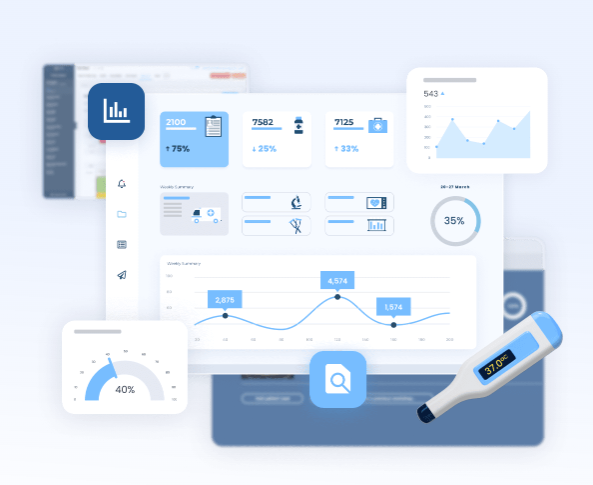
In the modern healthcare landscape, pharmacies are increasingly relying on technology to streamline operations, enhance patient care, and ensure regulatory compliance. One of the critical decisions pharmacy owners and administrators face is choosing between cloud-based and on-premise pharmacy management systems. Both options have distinct advantages and challenges, and understanding these differences is essential for making an informed choice. This article explores the key factors to consider and helps you determine which solution aligns with your business needs.
Understanding Pharmacy Management Systems
A pharmacy management system (PMS) is software designed to manage all aspects of pharmacy operations, including prescription processing, inventory management, billing, and reporting. By automating these processes, pharmacies can reduce errors, save time, and improve patient safety.
Pharmacy management systems are typically available in two deployment models: cloud-based and on-premise. While both aim to optimize pharmacy operations, their implementation, cost, scalability, and maintenance differ significantly.
What is a Cloud-Based Pharmacy Management System?
A cloud-based pharmacy management system is hosted on remote servers and accessed via the internet. Instead of installing software on individual computers, the pharmacy accesses the system through a web browser or dedicated application. Cloud-based solutions are maintained by the software provider, who handles updates, backups, and security.
Key Features of Cloud-Based Systems
Remote Access: Pharmacists can access the system from any location, using any device with internet connectivity.
Automatic Updates: Software updates and security patches are handled by the provider, ensuring the system is always up-to-date.
Scalability: Pharmacies can easily scale their operations as their business grows without the need for additional hardware.
Data Backup and Recovery: Cloud systems typically include automated backups, reducing the risk of data loss.
Integration Capabilities: Modern cloud-based solutions can integrate seamlessly with Electronic Health Records (EHR), EMR systems, and other healthcare applications.
Advantages of Cloud-Based Systems
Cost Efficiency: Cloud systems reduce upfront hardware costs and often operate on a subscription or pay-as-you-go model, making them accessible to small and medium-sized pharmacies.
Ease of Maintenance: Since the provider handles maintenance, pharmacies do not need dedicated IT staff.
Mobility and Flexibility: Pharmacists can manage operations remotely, which is especially useful for multi-location pharmacies or home healthcare services.
Enhanced Collaboration: Cloud solutions facilitate better collaboration among pharmacy staff and with other healthcare providers.
Potential Drawbacks
Internet Dependence: Cloud-based systems require a stable internet connection. Downtime or slow internet can impact operations.
Data Privacy Concerns: Although providers use high-level security measures, sensitive patient data is stored off-site, raising concerns for some pharmacies.
Ongoing Costs: Subscription fees can add up over time, making long-term budgeting crucial.
What is an On-Premise Pharmacy Management System?
An on-premise pharmacy management system is installed locally on the pharmacy’s own servers and computers. The pharmacy is responsible for maintaining the software, performing updates, and managing security and backups.
Key Features of On-Premise Systems
Local Data Storage: All data is stored on in-house servers, giving the pharmacy complete control over its information.
Customization: On-premise systems can be tailored extensively to meet specific operational needs.
Offline Operation: The system can function without internet access, reducing dependence on connectivity.
Advantages of On-Premise Systems
Data Control and Security: Pharmacies have direct control over sensitive patient data, which can be advantageous in meeting strict regulatory standards.
Customizability: On-premise solutions allow extensive modifications to workflows, reporting, and user interfaces.
No Subscription Fees: After the initial purchase and installation, ongoing costs may be lower compared to cloud-based solutions.
Reliability: On-premise systems are not affected by internet outages, ensuring uninterrupted operations.
Potential Drawbacks
High Upfront Costs: Initial setup requires investment in servers, software licenses, and IT infrastructure.
Maintenance Responsibilities: The pharmacy must have skilled IT personnel to handle system updates, security patches, and backups.
Limited Accessibility: Staff can only access the system from on-site locations unless remote access solutions are implemented.
Comparing Cloud-Based and On-Premise Systems
To determine which system is right for your pharmacy, it’s essential to compare them across key operational and financial factors:
Feature Cloud-Based System On-Premise System
Upfront Cost Low to moderate High
Ongoing Cost Subscription-based Maintenance and upgrades
Maintenance Provider-managed In-house IT team required
Scalability High, easily adjustable Limited by hardware
Accessibility Anywhere with internet Typically on-site
Data Security Provider-managed; encryption used Fully controlled in-house
Customizability Moderate High
Downtime Risk Dependent on internet Low, if properly maintained
Factors to Consider When Choosing a System
Business Size and Growth Plans
Small to medium-sized pharmacies may benefit more from cloud-based systems due to lower upfront costs and flexibility.
Large pharmacy chains with complex operations may prefer on-premise solutions for control and customization.
Budget Constraints
Consider the total cost of ownership, including software, hardware, maintenance, and IT personnel. Cloud solutions offer predictable subscription costs, while on-premise systems require substantial upfront investment but lower long-term fees.
Regulatory Compliance
Ensure the system complies with local healthcare regulations, such as HIPAA in the U.S. or GDPR in Europe. Both cloud-based and on-premise systems can meet these standards, but cloud solutions require careful evaluation of the provider’s security measures.
IT Infrastructure and Expertise
On-premise systems require in-house IT staff for maintenance and troubleshooting.
Cloud systems offload these responsibilities to the provider, reducing the need for specialized IT skills.
Remote Access Needs
Pharmacies with multiple locations or remote operations will benefit from the mobility of cloud-based systems.
Data Sensitivity
Pharmacies handling highly sensitive data may prefer on-premise solutions for maximum control, although top-tier cloud providers also offer robust security measures.
Trends in Pharmacy Management Software Development
The pharmacy management software industry is evolving rapidly. Understanding current trends can help you choose a system that remains relevant and future-proof.
Integration with EHR and EMR Systems
Modern pharmacy management systems increasingly integrate with EHR and EMR platforms to provide seamless patient care and improve clinical decision-making.
AI and Automation
Artificial intelligence is being used to predict medication demand, optimize inventory, and detect potential prescription errors, enhancing efficiency and patient safety.
Cloud Adoption
The trend is shifting toward cloud-based systems due to their scalability, remote accessibility, and lower upfront costs.
Mobile Accessibility
Mobile-friendly interfaces allow pharmacists to manage operations on-the-go, improving responsiveness and convenience.
Enhanced Security Measures
Both cloud and on-premise systems are implementing advanced encryption, multi-factor authentication, and real-time monitoring to safeguard patient data.
Making the Right Choice for Your Pharmacy
Choosing between cloud-based and on-premise pharmacy management systems ultimately depends on your pharmacy’s specific needs, resources, and growth strategy. Here’s a quick guide:
Choose Cloud-Based Systems If:
You want lower upfront costs and predictable subscription pricing.
Your pharmacy has multiple locations or requires remote access.
You prefer the provider to handle maintenance, updates, and security.
You plan to scale operations quickly.
Choose On-Premise Systems If:
You have the budget for a high initial investment and IT infrastructure.
Data control and customization are top priorities.
Your pharmacy operates in an area with unreliable internet connectivity.
You prefer long-term cost savings over subscription fees.
Both options can optimize pharmacy workflows, reduce errors, and improve patient outcomes when implemented correctly. Evaluating your business goals, operational needs, and regulatory environment will ensure that your pharmacy invests in the system that provides the most value.
Conclusion
The debate between cloud-based and on-premise pharmacy management systems is not about which is universally better but which aligns with your pharmacy’s unique requirements. Cloud-based systems offer flexibility, scalability, and lower initial costs, making them ideal for growing pharmacies. On-premise systems, however, provide control, customizability, and independence from internet connectivity, which may suit larger or more specialized pharmacies.
By carefully considering cost, accessibility, security, and future growth, pharmacy owners can make an informed decision that supports operational efficiency, regulatory compliance, and superior patient care. Investing in the right Pharmacy Management Software Development approach ensures that your pharmacy remains competitive, agile, and ready for the evolving healthcare landscape.


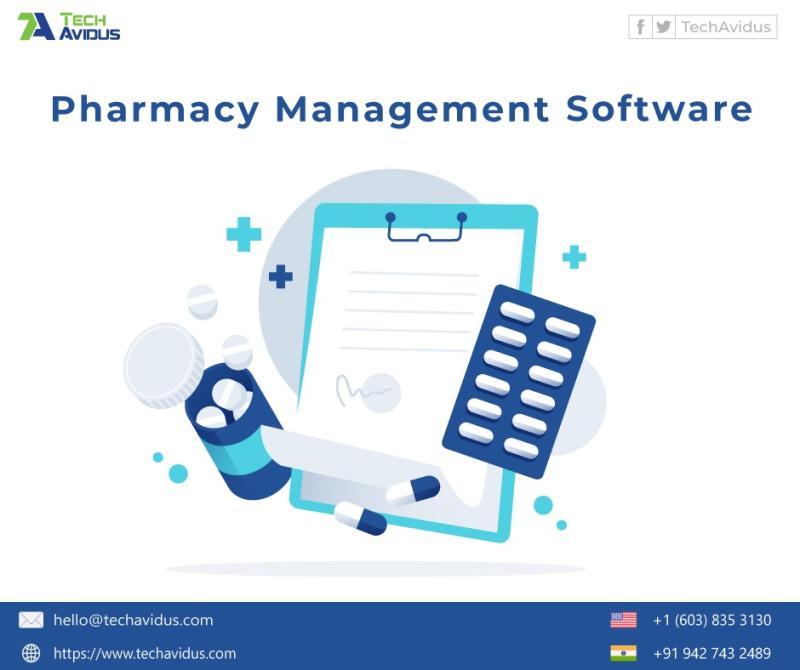
The software for pharmacy management is a single system that oversees retail items as well as medications and automates the process such as stock control medication dispensing, claims control, billing, and report generation.
Get in touch with us for pharmacy management software development for your pharmaceutical business.

If you plan to develop a good and successful product for your organization, you need to make sure you have a trustable and hardworking team working with you.
You have the coolest and most brilliant idea for your application but it will be possible to build unless you have a solid team.
If you choose to use Node.JS as your first or main javascript framework because you want your app to be strong and scalable.
This is why it is important to hire an experienced and hardworking Node.JS developers team.
In these competitive times, the quality of your Node.JS development team matters a lot and also impacts the success of your application.
And it will also impact the success of your business.