There truly is nothing quite like the feeling of riding a motorcycle out on the open roads, an experience that can be described in words but only felt. You’re one with the machine; it becomes an extension of you.
As exciting as that experience is, every rider must admit the reality that motorcycling is inherently riskier than driving a car, where you’re protected by a metal cage, airbags, seat belts, etc. On a motorcycle, your main line of defense is your gear. And when it comes to protection, the motorcycle helmet isn't just a recommendation; it’s the single most important piece of motorcycle riding gear you can own. Let’s talk about the importance of helmets in this blog
The Irrefutable Case for Head Protection
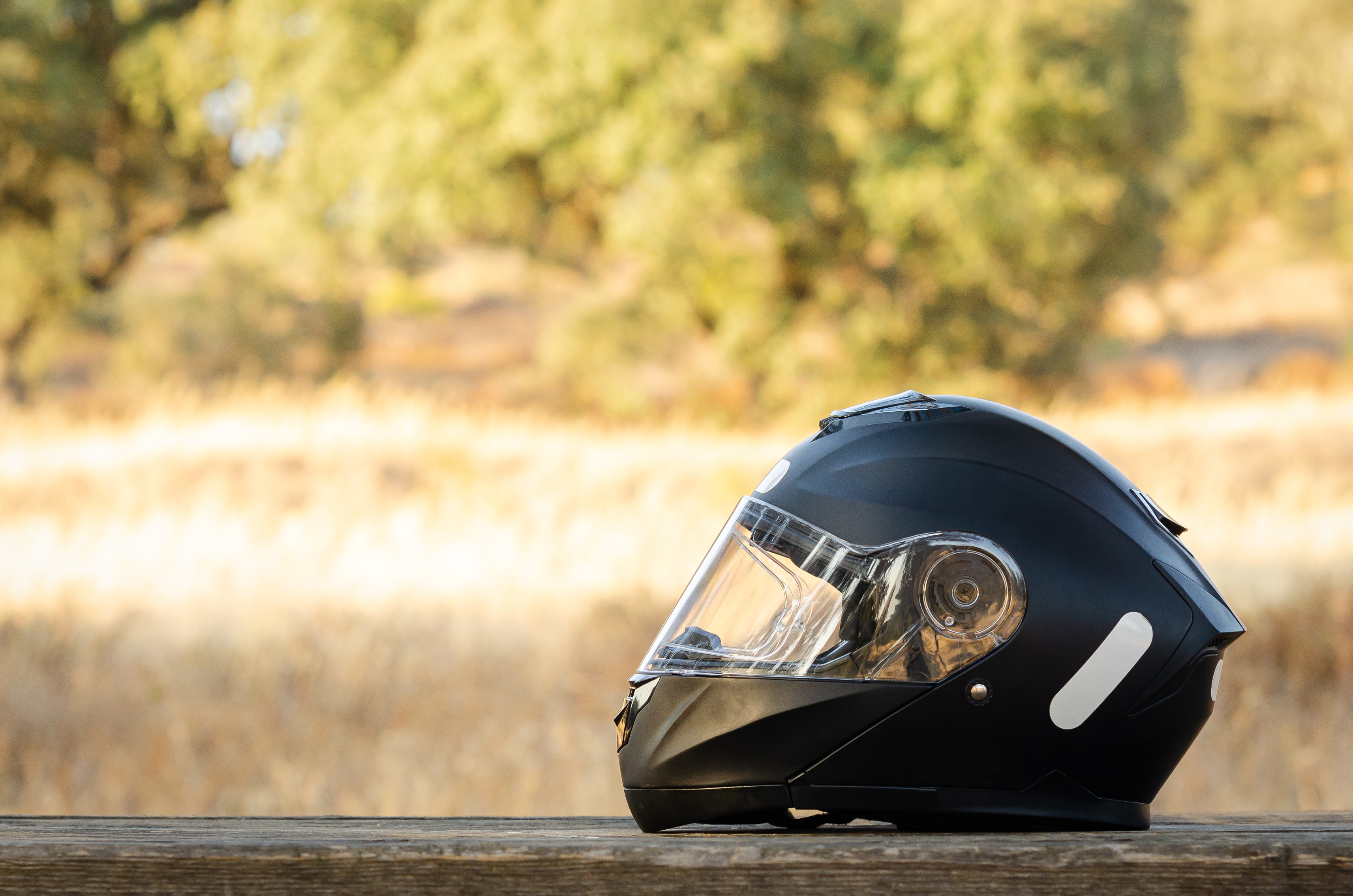
Head injuries are the leading cause of death in motorcycle crashes, and that is a hard fact. Wearing a motorcycle helmet, the piece of gear literally designed to protect your head, means that in the event of a crash, its outer shell and impact-absorbing liner will work together to protect you.
The shell resists puncture and abrasion, while the thick foam liner slows your head’s movement, absorbing the energy of the impact and thus preventing the force from directly hitting your brain.
Riders who don't wear a helmet are substantially more likely to suffer a Traumatic Brain Injury (TBI) than those who do. It’s not just about saving your life; it’s about preventing catastrophic, life-altering injuries that can lead to permanent disability and prevent you from riding again.
More Than Just Crash Protection
Needless to say, the primary purpose and benefit of a motorcycle helmet - or motorcycling gear in general - is protecting you. But beyond that, there are many benefits a high-quality helmet provides:
All-Weather and Debris Shield
A full-face helmet acts as a shield against the elements. When you’re riding on the highway, many things can come flying your way. Pebbles? Yes. Large insects? Yucky, but that too. Mud? Sure. Dust? All the time. Without a visor, even a small rock can cause serious danger, especially if you’re riding fast. On a motorcycle, split-second distractions can lead to a crash.
A helmet protects you from rain, dust, sun glare, and random debris on the road, making sure your vision remains clear and you stay focused.
Enhanced Focus and Reduced Fatigue
Motorcycling involves your entire body, so while your vision is clear, you need your other senses too. A helmet cuts down wind noise, which can be deafening and exhausting at times. By blocking this noise yet allowing important sounds like sirens, engine noises, and horns, a rider can significantly reduce fatigue from the constant auditory assault. Less wind noise means you stay sharper and more alert over the miles, leading to better judgment and safer riding.
Financial and Legal Sense
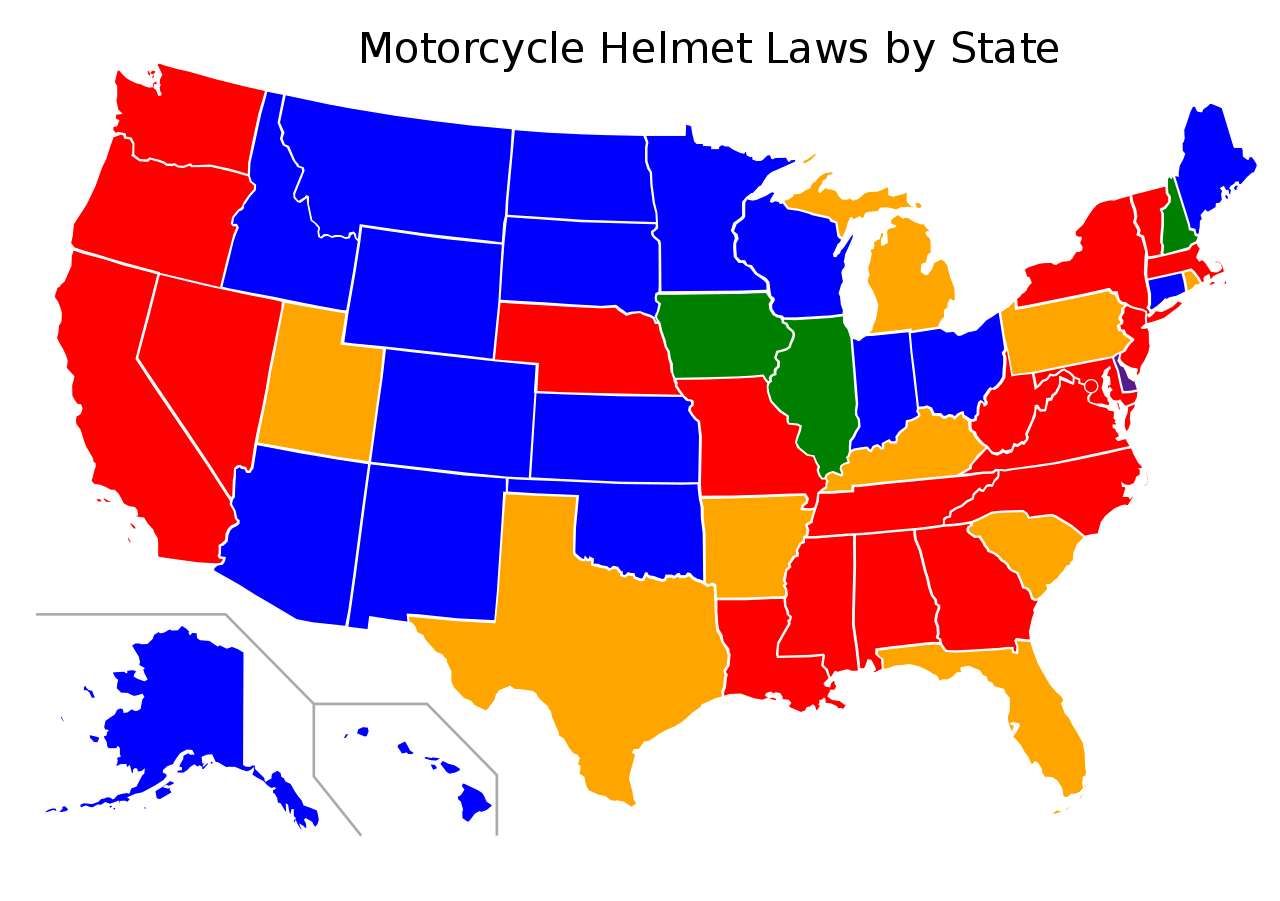
Let’s also not shy away from the fact that wearing a helmet is a legal obligation. One must wear a helmet while riding or face punishment. Not just any helmet, you must wear compliant helmets that meet standards determined by the government, which is FMVSS 218, enforced by the National Highway Traffic Safety Administration (NHTSA). These helmets have a "DOT" symbol. If you’re not wearing a compliant helmet and get into an accident, you can also face issues with claiming your insurance. It is one of those common mistakes every motorcycle rider should avoid.
Conclusion: Make the Right Choice
Whether you are an occasional cruiser or a daily commuter, choosing the right motorcycle riding gear is the difference between an exhilarating journey and a devastating accident. There’s a vast selection of full-face, modular, and open-face helmets on the market, each certified to meet rigorous safety standards. When you strap on your motorcycle helmet, you're not just complying with the law; you're making an active choice to protect your life, your cognitive function, and your future.
Speed is passion of almost every biker and they love to move their motorcycle faster and faster until they don’t get a thrilling experience on road.
For such experience they shouldn’t forget that they need Motorcycle Gear Texas that would act as a protective element.
The prime name of motorcycle accessories are adornment that includes gears, helmets, foot wears, clothes and many more things.
All these accessories depend on the type of motorcycle you ride, budget, and how much you ride.Reliable and sturdy methods to know someone’s ridingOne problem that is evident is bikes aren’t the least convenient for transporting personal items or things that you simply buy at the shop.
Even many motorcyclists know this and you’ll not often see someone riding down the road one handed steering with one and carrying a bag of groceries with the different.
For individuals who ride typically might like a reliable and sturdy method to carry these things whereas riding bike saddlebags offers absolutely for this.You should always buy approved motorcycle helmetsFor many individuals in jobs, hobbies and sports, the use of approved helmet is crucial to participate in the activity and performing the task.