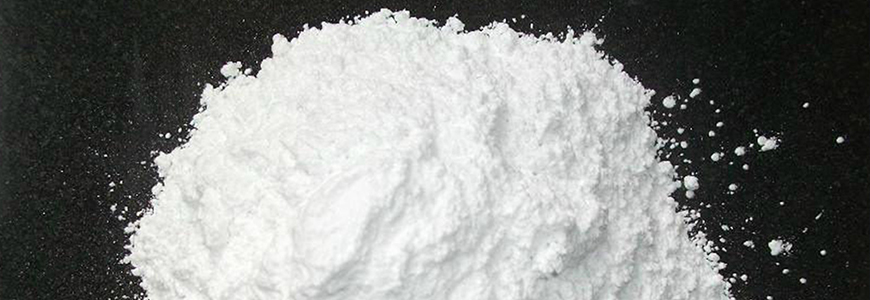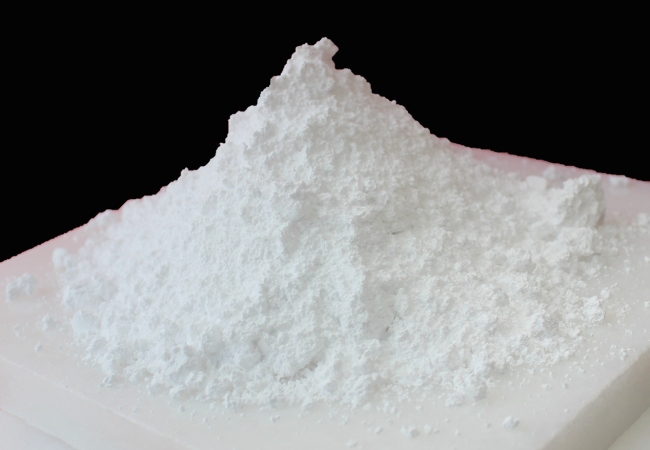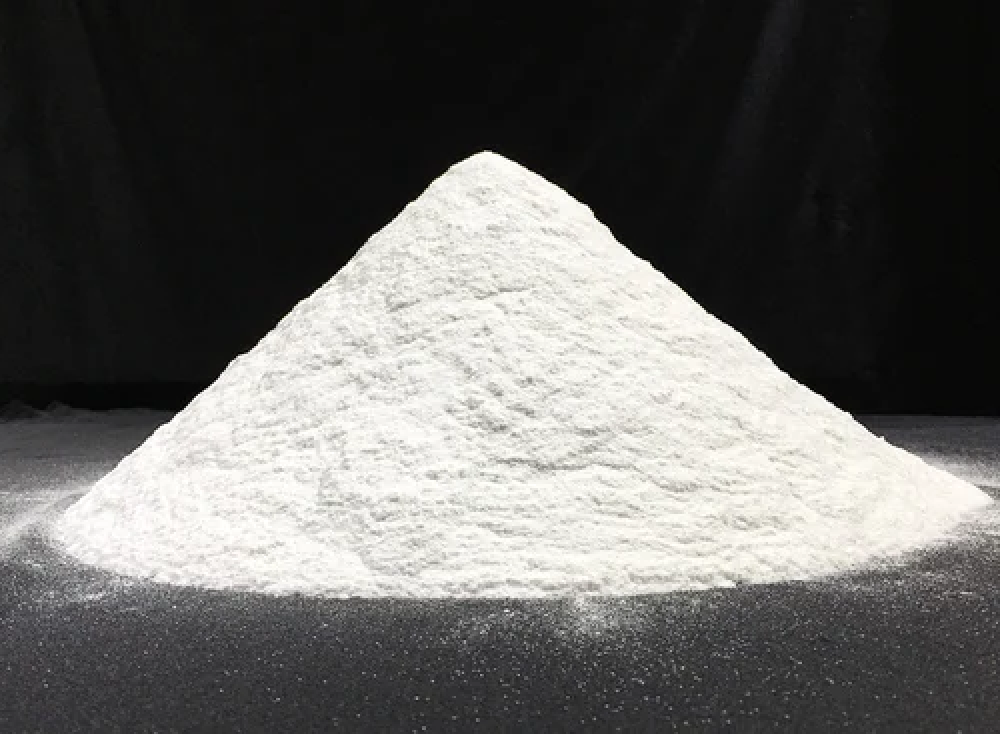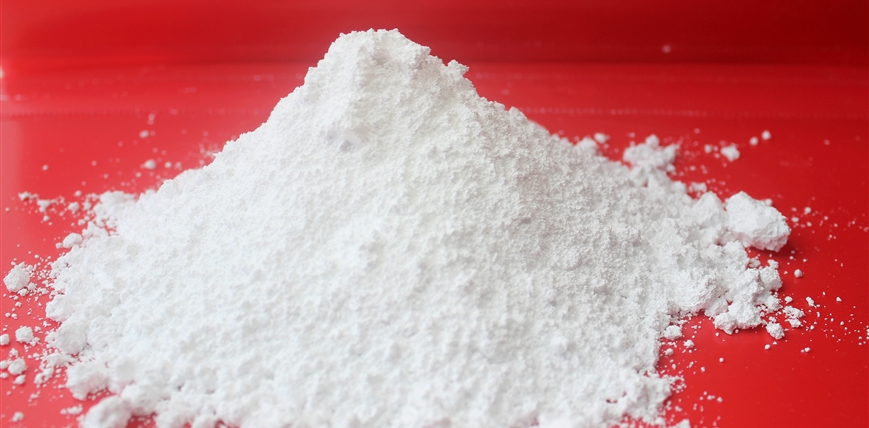
In today’s competitive materials market many formulators are rethinking their filler choices, and suppliers such as Ashirwad Minerals and other Calcite Powder Manufacturers in India are rising to the top by offering consistent quality, tailored grades and cost-effective performance that suit coatings, plastics, paper and more.
What is calcite and how does it differ from other fillers?
Calcite is a naturally occurring form of calcium carbonate (CaCO₃). It’s chemically simple, mineralogically stable and available in a wide range of particle sizes — from coarse ground grades to ultrafine micronized powders. Other common fillers include talc (a magnesium silicate), kaolin (a clay), silica (silicon dioxide) and dolomite (a calcium-magnesium carbonate). Each has strengths, but calcite’s combination of whiteness, inertness and tunable particle geometry makes it extremely versatile.
Key performance advantages of calcite
Why do product developers reach for calcite? Several practical benefits stand out:
Brightness & opacity: Calcite improves optical properties in paints, paper and plastics, often at lower loadings.
Low abrasion: Compared with silica, calcite is gentler on processing equipment and polymer matrices.
Chemical inertness: It rarely reacts with binders or additives, making formulation simpler.
Particle control: Modern milling yields narrow particle size distributions that enhance surface finish and mechanical performance.
Cost-to-performance: High bulk density and good loading efficiency frequently translate into lower material costs per part.
Where calcite outshines alternatives
For general-purpose paints, PVC profiles, paper coatings and many rubber mixes, calcite is the go-to because it balances optical enhancement, processability and price. If you need a neutral pH, excellent dispersibility and minimal impact on rheology, calcite often wins.
When other fillers still make sense
Not every application should switch to calcite. Use cases for alternatives include:
Talc or kaolin for very specific rheology control or heat-stable pigments.
Fumed silica when ultra-high reinforcement or very specific surface chemistry is needed.
Dolomite when magnesium content benefits the end product.
So, choose the filler to match the functional need — calcite is flexible, but not a universal replacement.
Surface treatment & grades — tuning calcite to your process
Modern manufacturers supply calcite in many variants: hydrophobic coatings (for polymers), stearate-treated grades (for masterbatches), and ultrafine powders for high-gloss coatings. Specify particle size (D50), surface area and any coatings when you request samples — these parameters drive dispersion, opacity and compatibility.
Supply chain and sustainability upsides
India is rich in carbonate deposits, and local Calcite Powder Manufacturers in India can shorten lead times and cut freight costs versus imports. Many buyers also favor suppliers who optimize mining and processing to reduce waste, energy use and transport emissions — a growing procurement priority.
Cost comparison: value, not just price
At first glance some fillers may be cheaper per kg, but calcite’s higher bulk density and better hiding power can reduce the amount needed, improving cost per functional unit. That’s why procurement teams increasingly evaluate cost-to-performance rather than just sticker price.
Why industries are switching now
Three trends accelerate calcite adoption: tighter process control (demanding predictable fillers), pressure to reduce formulation costs, and sustainability goals that favor locally sourced, low-impact minerals. Add improved surface treatments and narrower PSDs from modern plants, and the shift makes sense.
Why choose us — Ashirwad Minerals
At Ashirwad Minerals we understand what formulators need: consistent micronized calcite, tailored surface treatments, and technical support to get the grade right the first time. We offer flexible packing, reliable logistics across India, and quick sample turnaround so your R&D can move fast. Whether you need a high-brightness coating grade or a hydrophobic polymer filler, we work with customers to match particle size and treatment to the application — minimizing trial-and-error and saving time and cost.
Conclusion
Calcite isn’t just an economical filler — it’s a practical, tunable and sustainable material that meets modern manufacturing demands. While other fillers retain niche advantages, the combination of optical benefits, low abrasivity, predictable behavior and cost-effectiveness explains why more industries are choosing calcite powder today. For businesses seeking dependable partners, sourcing from experienced Calcite Powder Manufacturers in India like Ashirwad Minerals can simplify scaling, cut costs, and improve final product performance.
FAQs
Q1: Is calcite the same as ground calcium carbonate (GCC)?
Yes — calcite is a natural form of calcium carbonate; ground calcium carbonate (GCC) typically refers to mechanically milled calcite used as filler.
Q2: Will calcite affect the color of my product?
Calcite generally increases whiteness and opacity; however, the particle size and surface finish will influence final color and gloss.
Q3: Can calcite replace talc in plastics?
Often yes for general-purpose applications, but for heat-resistant or very specific rheology needs talc may still be preferred.
Q4: Do you provide surface-treated calcite for polymers?
Yes — treated grades for improved dispersion and hydrophobicity are available; discuss your polymer system for best match.
Q5: How do I choose the right calcite grade?
Start with the target particle size (micron range), required surface treatment, and desired loading level — a technical supplier like Ashirwad Minerals can recommend samples.