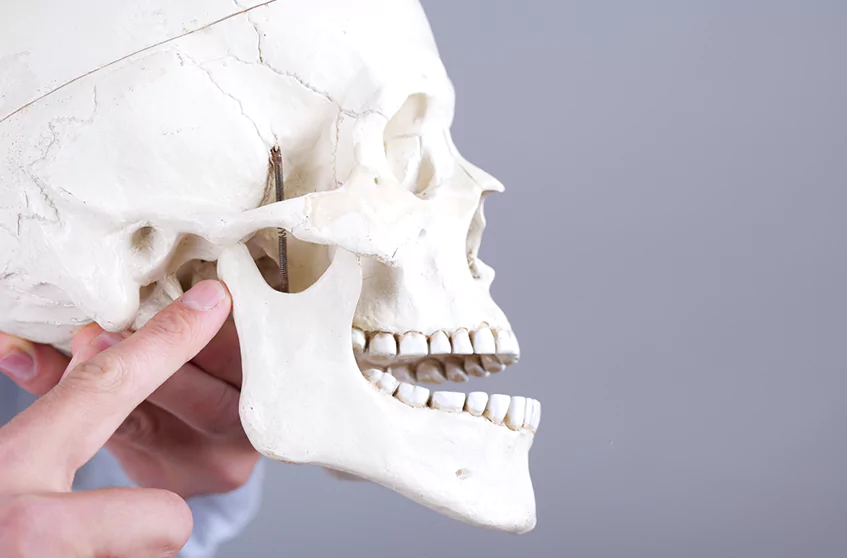


TMJ Disorder If you experience jaw pain, a clicking noise or have trouble chewing, you may suffer from temporomandibular joint disorder (TMJ) problem that millions of Americans deal with every year. For those who need it, specialists like an Orthodontist in Paradise Valley can diagnose and treat TMJ issues before the damage has been done. It is one of the most complex joints in our body, located on either side of the face and connecting the lower jaw (mandible) to the skull so you can do things like talk, chew, and yawn. When this joint is inflamed, out of alignment or in distress, it can cause your discomfort, headaches and even alterations to your smile.
The temporomandibular joint is a flexible hinge that functions to open and close the mouth, it consists of the ends of both mandible, temporal bone and cartilage and disc which work together to help hold your jaw in place. When the disc slips out of place or the muscles around the joint tighten, this can cause what dentists call a TMJ disorder or TMD. A report published by the NIDCR stated that nearly 10 million of Americans suffer from TMJ disorders, Women aged 20-40 years were affected with more cases than men. Bruxism (teeth grinding), arthritis, jaw injury or muscle fatigue from stress are considered major contributors to the development of TMD.
One of the most frequent culprits in TMJ problems is a bad bite. When the upper and lower teeth don’t meet together properly, it causes the jaw muscles and joints to try to compensate, resulting in pain and discomfort over time. Ask a Trained Orthodontist in Paradise Valley: Has You Child Ever Had Joint, Clicking, Popping or Jaw Pain? A Common question we ask our patients is if they ever experienced any joint symptoms and bite problems which can cause strain on the joints. To realign the teeth and jaws and get balance back into a person’s TMJ system, they may undergo orthodontic treatment (either braces or clear aligners). Often, correction of malocclusion (bad bite) can greatly alleviate, or sometimes eliminate, TMJ-related symptoms.
Jaw pain isn't the only symptom of TMJ disorders. Muscles and nerves in the head and neck area are all connected in some way, so it's not surprising that when one feels pain, the others can be affected as well causing chronic headaches, earaches, jaw-pain or dizziness. I have a few clients who report that they are also seeing differences in their bite and/or smile. The dissymmetrical force on your teeth can worn down, erode the enamel and even crack the tooth over time resulting from TMJ disorder. If not addressed, TMD can result in changes to the shape of one’s face or cause a more tired, sculpted appearance around the jawline due to overworked muscles.
One of the most noticeable symptoms associated with TMJ is a clicking or popping sound when you open and close your jaw. This popping happens when the cushioning disk in the joint is pushed out of place. Popping on occasion without pain may not be something that requires immediate attention but if the clicking continues and is accompanied by pain, locking, or limited jaw movement it could indicate a serious problem. A professional Orthodontist will be able to do a full examination to establish the cause, which might require imaging tests (X-rays including panoramic films and cone-beam CT scans) of the jaw joint and teeth to rule out other problems such as tooth decay and gum disease or prove them diagnoses by images of the join together with soft tissue.
Advancement in the applications of technology in orthodontics, has reduced the morbidity associated with diagnosis and treatment of TMJ cases. Orthodontists can evaluate the exact motion and position of your jaw with dental bite analysis software tools and 3D imaging. This information is useful because it can be used to treat the root cause rather than sympto- matic relief. For example, if they find that teeth grinding is a significant contributing factor, a nighttime mouthguard or bite splint can alleviate pressure on the joint.
Life style and behaviour characteristics are also the main determinants of TMJ health. Repetitive clenching when we’re under too much stress exacerbated pain and tension from the facial muscles. Eventually, this repetitive stress can lead to joint swelling. The Journal of Oral Rehabilitation reported that people with high stress have a risk of developing TMJ pain 35 percent greater than those with lower stress levels. While treatment can be both invasive and non-invasive, by commitment to relieving or managing stress through relaxation techniques, mindfulness or physical therapy you can reduce musculoskeletal tension and enhance joint functionality.
What is jaw locking some people with TMJ may develop a condition referred to as “jaw locking”, which causes the joint to lock open or shut temporarily. This can make routine activities such as speaking or eating very hard to do. In the rare instances when treatment is indicated, combination therapy of orthodontic forces, physical exercises and in some very rare cases mild surgical intervention to fix or approximate joint structures is considered appropriate. Nevertheless, the majority of TMJ conditions resolve with conservative and non-aggressive therapies.
Nutrition and posture also play a role in TMJ health. Chronic chewing of hard substances, such as ice or tough meats, can place more stress on the joint. Similarly, it can be a direct result of poor posture (when spending long periods sitting), due to the misalignment of the head and neck that leads to tension being held in the jaw region. Good nutrition and proper ergonomic also contribute greatly to minimizing stress on the TMJ. Regular dental exams are just as essential to check your bite and spot early onset of joint disorder.
If not addressed, TMJ disorders can progress and result in permanent pain, limited motion, and dental complications. Early detection and treatment by an Orthodontist in Paradise Valley, is key to preventing such issues. While orthodontic treatment can enhance the beauty of your smile, it also promotes good oral health by allowing each tooth to have a specific position in the mouth; teeth fit properly, and perform their job efficiently.
Ultimately, TMJ disorders can do a lot more than just impact your jaw; they can affect your comfort, appearance and oral health too. Comprehending the relationship of these conditions to muscular function, jaw alignment and the dental structures is essential for both treatment and prevention. Whether from stress, misalignment or injury, the majority of TMJD cases can usually be successfully treated with orthodontic intervention, modification to lifestyle and a continuation of regular dental attention. With the aid of a skilled Orthodontist in Paradise Valley, you can say goodbye to Jaw Pain for good and get back on track!
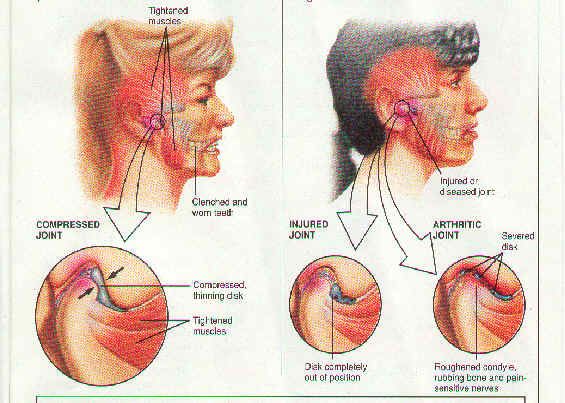
The temporomandibular joint (TMJ) is a small joint located in front of the ear where the skull and lower jaw meet.
It allows the lower jaw (mandible) to move and function.
TMJ disorders have a variety of symptoms.