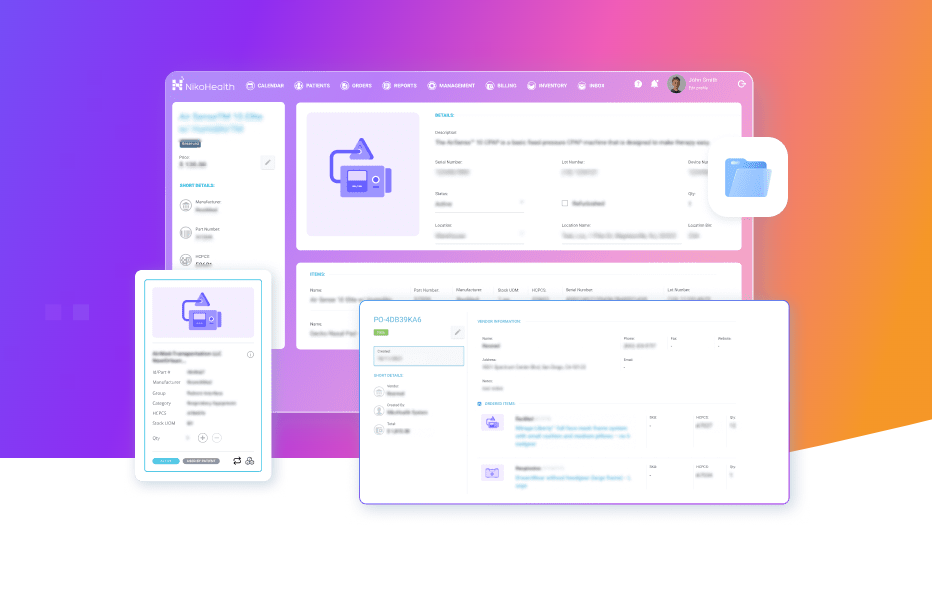
Durable Medical Equipment (DME) providers play a crucial role in the healthcare ecosystem, supplying patients with essential equipment such as oxygen concentrators, wheelchairs, and CPAP machines. While delivering high-quality care and equipment is paramount, managing the billing process for DME services can be complex, time-consuming, and fraught with errors. Many providers are turning to outsourcing DME billing as a strategic solution to enhance efficiency, reduce administrative burdens, and optimize revenue.
Understanding the Challenges of DME Billing
Billing for DME services is significantly more complex than standard healthcare billing due to the diverse range of equipment, insurance requirements, and regulatory guidelines. Some of the key challenges include:
1. Complex Insurance Requirements
DME billing involves navigating numerous insurance policies, including Medicare, Medicaid, and private insurers. Each payer may have different documentation requirements, prior authorization processes, and reimbursement rates. Errors in coding or documentation can result in delayed payments, claim denials, or even compliance issues.
2. Regulatory Compliance
DME providers must adhere to strict federal and state regulations, including HIPAA privacy requirements and Medicare guidelines. Maintaining compliance while processing large volumes of claims can be overwhelming for in-house teams, increasing the risk of audits and penalties.
3. Labor-Intensive Processes
From claim submission to payment posting, DME billing involves multiple steps that require attention to detail. In-house billing teams often spend countless hours on claim denials, patient follow-ups, and insurance verifications, diverting resources away from patient care.
4. High Error Rates
Mistakes in DME billing are common, especially when staff are overworked or inadequately trained in coding standards such as HCPCS Level II codes. Even minor errors can lead to claim denials, delayed reimbursements, and significant revenue loss.
What is Outsourcing DME Billing?
Outsourcing DME billing involves partnering with specialized third-party billing companies to manage the entire revenue cycle process. These companies handle tasks such as claim submission, insurance verification, denial management, and patient invoicing. By leveraging the expertise and technology of a dedicated billing provider, DME companies can streamline operations, improve accuracy, and accelerate cash flow.
Benefits of Outsourcing DME Billing
1. Improved Revenue Cycle Efficiency
One of the primary benefits of outsourcing DME billing is enhanced revenue cycle efficiency. Professional billing companies use advanced software and automation tools to submit claims accurately and on time. They also follow up on unpaid or denied claims promptly, ensuring faster reimbursements and reducing the risk of revenue leakage.
2. Cost Savings
Maintaining an in-house billing team can be expensive due to salaries, training costs, and software investments. Outsourcing DME billing allows providers to convert fixed overhead into variable costs, paying only for the services they use. This approach can significantly reduce operational expenses while improving billing accuracy.
3. Access to Expertise
DME billing companies employ certified billing specialists who are well-versed in coding standards, payer rules, and regulatory compliance. Their expertise ensures that claims are submitted correctly, denials are minimized, and reimbursements are maximized. Additionally, outsourced billing teams stay up to date with changes in healthcare regulations, reducing compliance risks for DME providers.
4. Focus on Core Business
By delegating billing tasks to a third-party provider, DME companies can focus on their core mission—providing high-quality equipment and services to patients. Staff can dedicate more time to patient care, equipment management, and business development, rather than navigating complex billing processes.
5. Scalability and Flexibility
Outsourcing offers flexibility to scale billing operations based on business needs. Whether a DME company experiences seasonal spikes in demand or is expanding to new locations, a professional billing partner can adjust resources accordingly, ensuring smooth operations without the need for hiring additional staff.
Key Services Offered by Outsourced DME Billing Companies
When considering outsourcing, it’s essential to understand the range of services that professional billing providers typically offer:
1. Claims Management
Outsourced billing companies handle the complete lifecycle of claims—from preparation and submission to follow-up and payment posting. They ensure claims are submitted accurately and in compliance with payer requirements, reducing denials and delays.
2. Insurance Verification and Eligibility
Verifying patient insurance coverage is critical to prevent claim denials. Third-party billing providers conduct thorough insurance checks before equipment delivery, confirming coverage, co-pays, and deductibles to streamline the reimbursement process.
3. Denial Management and Appeals
Claim denials are inevitable in DME billing, but professional billing companies specialize in denial management. They analyze rejected claims, identify errors, resubmit corrected claims, and file appeals as needed, improving overall revenue collection.
4. Patient Billing and Collections
In addition to insurance claims, outsourced billing services manage patient invoicing and collections. They ensure statements are accurate, follow up on outstanding balances, and provide a professional interface for patient communications, enhancing satisfaction and reducing unpaid bills.
5. Reporting and Analytics
Professional billing companies offer detailed reporting and analytics, providing insights into revenue performance, claim trends, and operational inefficiencies. These insights help DME providers make data-driven decisions to optimize revenue and improve overall business performance.
Selecting the Right Outsourcing Partner
Choosing the right billing partner is critical for maximizing the benefits of outsourcing. Here are some factors DME providers should consider:
1. Industry Experience
Look for a provider with extensive experience in DME billing. Familiarity with HCPCS codes, Medicare regulations, and payer-specific requirements is essential for accurate claim processing.
2. Technology and Automation
Ensure the billing partner uses modern billing software and automation tools to streamline processes. Advanced technology reduces errors, speeds up claim submission, and improves reporting capabilities.
3. Compliance and Security
The provider must adhere to HIPAA and other regulatory standards to protect patient data. Ask about security protocols, data encryption, and compliance certifications to safeguard sensitive information.
4. Transparent Pricing
A clear, transparent pricing structure is important to avoid unexpected costs. Many providers offer pricing models based on a percentage of collected revenue or a flat fee per claim.
5. Customer Support
Reliable customer support is critical for addressing issues promptly. The right billing partner should provide dedicated support teams that communicate effectively and respond quickly to inquiries.
Case Studies: Success with Outsourced DME Billing
Several DME providers have successfully improved revenue and operational efficiency by outsourcing billing. For example, a mid-sized oxygen therapy company outsourced its billing operations to a specialized provider. Within six months, the company saw a 25% reduction in claim denials and a 30% improvement in cash flow. Staff were freed from administrative tasks, allowing them to focus on patient care and expanding their service offerings.
Another example involves a wheelchair and mobility equipment supplier that struggled with complex insurance claims. By partnering with an experienced billing company, they automated claim submissions, streamlined patient billing, and reduced administrative costs by 40%, ultimately achieving higher profitability.
Overcoming Challenges in Outsourced Billing
While outsourcing offers numerous benefits, DME providers may encounter challenges, including:
Loss of direct control: Outsourcing requires trusting a third-party provider with critical revenue operations. Clear communication and service-level agreements can mitigate this concern.
Integration with existing systems: Billing providers must integrate with the DME company’s existing electronic health records (EHR) or practice management software. Choosing a partner with strong technical capabilities is essential.
Training and onboarding: Transitioning to an outsourced billing model requires proper onboarding and staff training. A structured implementation plan ensures a smooth transition.
The Future of DME Billing
The landscape of DME billing is evolving rapidly. Technology-driven solutions such as AI-powered claims processing, predictive analytics, and cloud-based billing platforms are revolutionizing revenue cycle management. Outsourcing DME billing allows providers to leverage these innovations without investing heavily in infrastructure or staff training.
As healthcare regulations become increasingly complex, outsourcing will continue to be a strategic choice for DME providers seeking efficiency, compliance, and financial stability.
Conclusion
In today’s competitive healthcare environment, efficient billing is as critical as delivering high-quality patient care. Outsourcing DME billing provides a practical solution for DME providers to streamline revenue cycles, reduce administrative burdens, and maximize reimbursements. By partnering with experienced billing specialists, DME companies can focus on their core mission, improve operational efficiency, and secure long-term financial success.