

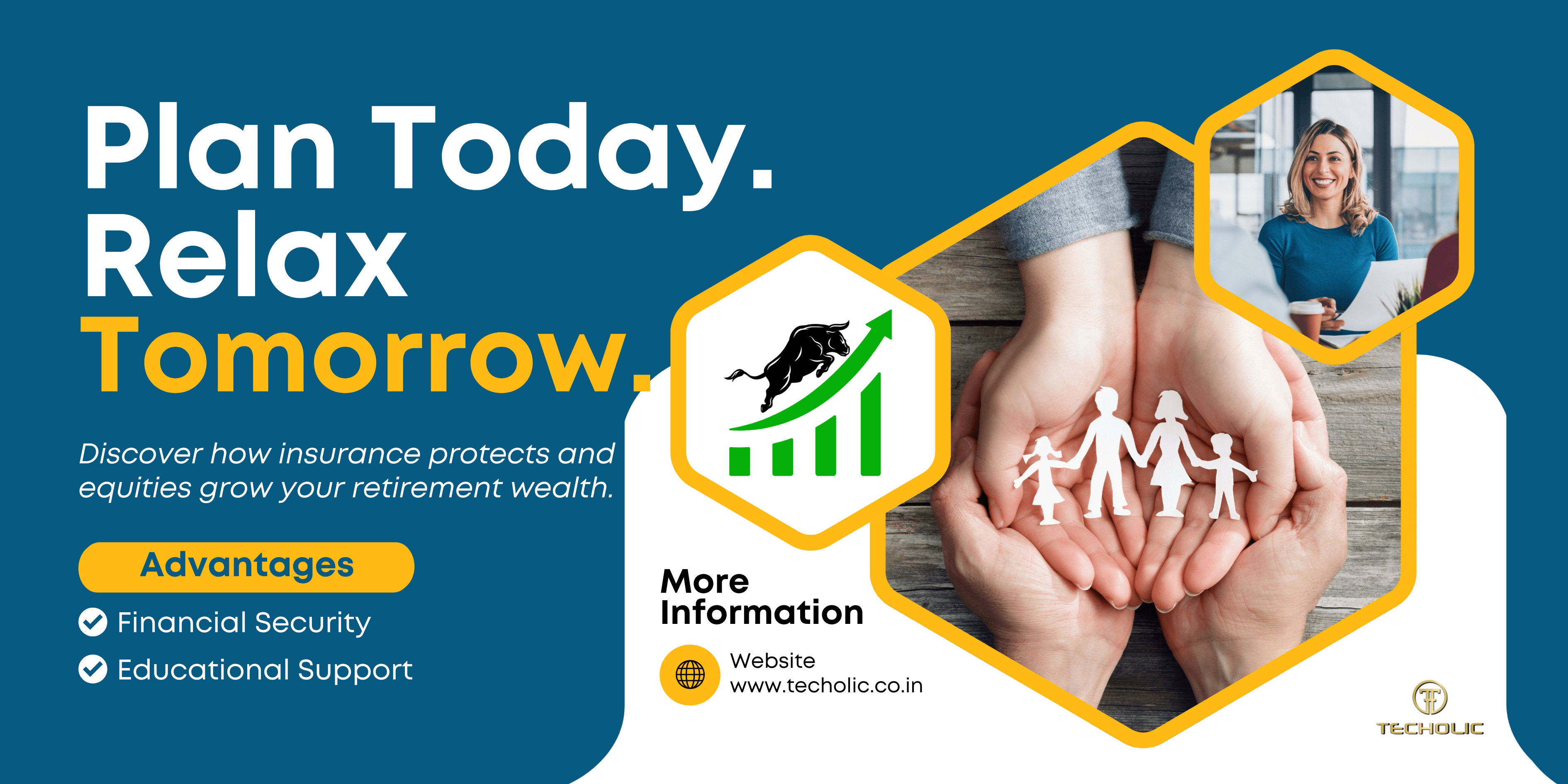
Planning for retirement is not just about saving money — it’s about building a secure and stress-free future. As life expectancy in India continues to rise and lifestyles evolve, having a well-designed retirement plan has become more important than ever. The two most crucial pillars of this plan are insurance and equity investments — both serving distinct yet complementary purposes in achieving financial independence.
Let’s understand how each of these components plays a vital role in creating a strong retirement foundation.
1. Why Retirement Planning Matters
In our working years, we rely on monthly income to cover expenses, EMIs, healthcare, and lifestyle needs. But once regular income stops, these responsibilities don’t disappear. In fact, costs — especially healthcare — often rise with age.
A well-thought-out retirement plan ensures that you:
Maintain your lifestyle after retirement
Meet medical expenses without financial stress
Stay independent without depending on family
Leave behind a financial legacy for your loved ones
In India, where pensions are not guaranteed for private-sector employees, self-driven retirement planning is not a luxury — it’s a necessity.
2. Role of Insurance in Retirement Planning
Insurance provides protection, not necessarily growth, but it plays a key role in safeguarding your assets and financial goals.
a) Life Insurance – Protecting Your Family’s Future
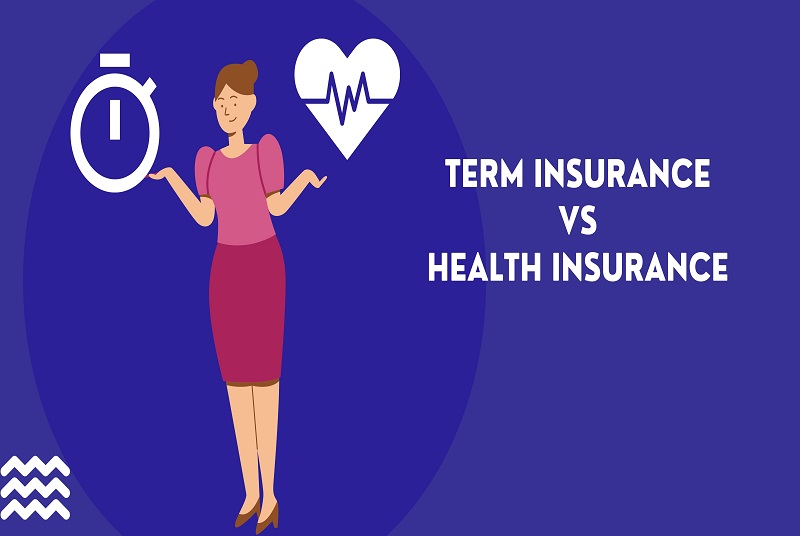
If you are the earning member, a term life insurance policy ensures that your family’s financial needs are met even if something unexpected happens. It’s affordable, offers high coverage, and gives peace of mind that long-term goals (like children’s education or home loans) won’t be compromised.
Some plans also offer return of premium or money-back options, giving partial benefits if you outlive the policy term — a good choice for those who want both protection and partial savings.
b) Health Insurance – Guarding Against Medical Inflation
Health insurance is a non-negotiable part of any retirement plan. With rising medical costs, even one hospitalization can disturb your savings. A comprehensive health cover (including critical illness or senior citizen plans later in life) ensures that your retirement corpus remains untouched for its intended purpose — living expenses and lifestyle.
c) Pension or Annuity Plans – Guaranteed Income Post-Retirement
Insurance companies offer pension or annuity products that provide regular income after retirement. These plans convert your accumulated savings into a steady monthly or yearly payout — ideal for those seeking stability and low risk.
While returns are generally moderate, the benefit of assured income makes them an essential piece of the retirement mix.
3. Role of Equity Investments in Retirement Planning
While insurance covers uncertainties, equity investments help your wealth grow and beat inflation — a critical aspect for long-term planning.
a) Power of Compounding
When you invest in equities through mutual funds, direct stocks, or ULIPs, your returns compound over time. The earlier you start, the greater your compounding effect. Even small, consistent SIPs (Systematic Investment Plans) can build a sizable corpus over 20–30 years.
b) Beating Inflation
Traditional savings instruments like fixed deposits or PPF often fail to outpace inflation in the long run. Equity, though volatile in the short term, has historically delivered superior inflation-adjusted returns over long periods — making it ideal for long-term goals like retirement.
c) Diversification Through Mutual Funds
For those who prefer professional management and risk diversification, mutual funds are a suitable option.
Equity mutual funds, especially index and balanced funds, allow you to participate in market growth without needing to track stocks daily.
d) Transitioning to Safety with Age
As you approach retirement, the goal shifts from aggressive growth to capital preservation. A good strategy is to gradually reduce equity exposure and move funds into debt instruments or annuities, ensuring both safety and stability of income.
4. Combining Insurance and Equity for a Balanced Retirement Plan
The smartest retirement plans are those that balance protection and growth.
Here’s how you can integrate both:
Stage of Life Focus Area Recommended Action
Early Career (20s–30s) Growth Start SIPs in equity funds; buy term & health insurance
Mid Career (30s–40s) Stability & Expansion Increase insurance cover; diversify equity portfolio
Pre-Retirement (50s–60s) Preservation Reduce equity exposure; shift to debt or annuity plans
This balance ensures you are protected from unforeseen events while your money continues to work for you.
5. Tax Benefits You Should Know
Both insurance and equity investments come with tax advantages that support your retirement planning:
Life insurance premiums qualify for deduction under Section 80C (up to ₹1.5 lakh).
Health insurance premiums are deductible under Section 80D.
Long-term capital gains from equities are taxed at a lower rate (10% after ₹1 lakh exemption).
Pension plans may also offer tax benefits depending on the product type.
These tax efficiencies make it even more worthwhile to include both instruments in your long-term strategy.
6. The Indian Perspective: Start Early, Stay Disciplined
In India, people often start thinking about retirement late — sometimes only in their 40s. The key to effective retirement planning, however, is starting early. The longer your money stays invested, the harder it works for you through compounding.
Here are three golden rules for Indian investors:
Start early — even small SIPs can grow big over time.
Stay insured — never compromise on term or health cover.
Diversify smartly — blend equity, insurance, and fixed-income instruments for stability.
Final Thoughts
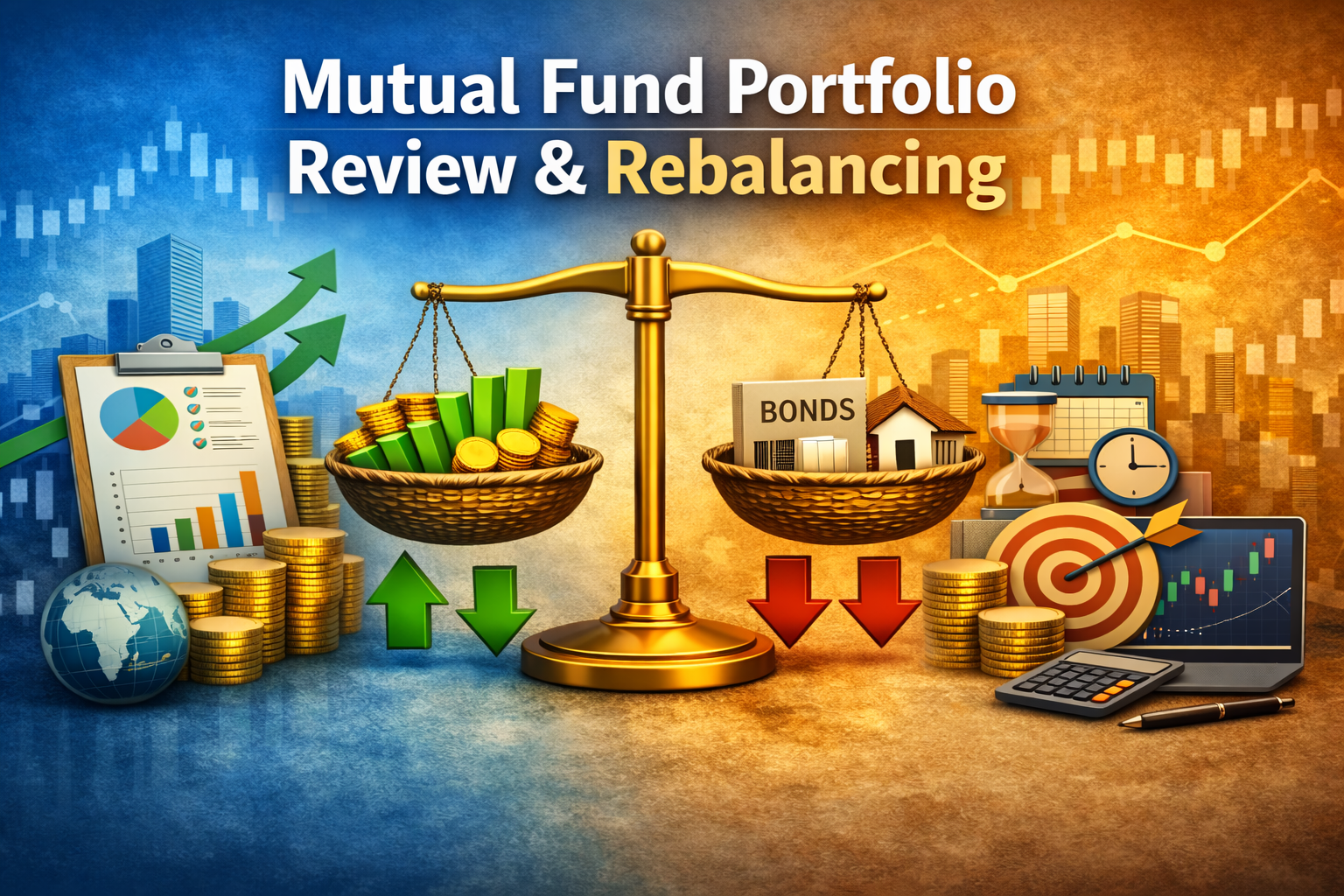
Retirement planning is not a one-time decision — it’s a journey of consistent effort and smart choices. Insurance keeps your financial base secure, while equity investments help you build the wealth you’ll need to enjoy your later years.
Think of insurance as your safety net, and equity as your growth engine. When both work together, you can look forward to a retirement that’s not just financially stable, but also fulfilling and worry-free.