SS 310 stainless steel, also known as 310 grade stainless steel, is a highly versatile austenitic stainless steel alloy that has earned its reputation as one of the most heat-resistant materials in the stainless steel family. This exceptional alloy is widely used across various industries where extreme temperatures, corrosion resistance, and structural integrity are paramount. Understanding the chemical composition, properties, and applications of 310 stainless steel is essential for engineers, manufacturers, and procurement specialists who work with high-temperature materials.
SS 310 Chemical Composition
The 310 stainless steel chemical composition is carefully balanced to provide superior heat resistance and oxidation resistance at elevated temperatures. The primary alloying elements include:
Main Components:
Chromium (Cr): 24-26%
Nickel (Ni): 19-22%
Carbon (C): 0.25% maximum
Manganese (Mn): 2.0% maximum
Silicon (Si): 1.5% maximum
Phosphorus (P): 0.045% maximum
Sulfur (S): 0.030% maximum
Iron (Fe): Balance
The high chromium and nickel content in the 310 stainless steel composition distinguishes it from other austenitic grades. This elevated percentage of chromium provides excellent oxidation resistance, while the substantial nickel content ensures the material maintains its austenitic structure even at extreme temperatures. The SS 310S variation contains slightly lower carbon content (0.08% maximum), which enhances its weldability and reduces carbide precipitation during high-temperature exposure.
310 Stainless Steel Properties
Physical and Mechanical Properties
The 310 stainless steel properties make it an ideal choice for demanding applications. Key characteristics include:
Thermal Properties:
Melting Point: 1400-1450°C (2550-2640°F)
Continuous Service Temperature: Up to 1040°C (1900°F)
Intermittent Service Temperature: Up to 1150°C (2100°F)
Thermal Conductivity: 14.2 W/m-K at 100°C
Coefficient of Thermal Expansion: 15.9 μm/m-K (0-100°C)
Mechanical Properties:
Tensile Strength: 515 MPa minimum
Yield Strength: 205 MPa minimum
Elongation: 40% minimum
Density: 7.98 g/cm³
Hardness: 217 HB maximum (annealed)
Corrosion Resistance
Austenitic SS 310 exhibits outstanding resistance to oxidation and corrosion in high-temperature environments. The material forms a stable, protective chromium oxide layer that prevents further degradation even when exposed to aggressive atmospheres. This property makes it superior to lower-grade stainless steels in applications involving sulfur-containing gases, cyclic heating and cooling, and carburizing conditions.
Heat Resistance
The exceptional heat resistance of 310 grade stainless steel stems from its high chromium and nickel content. Unlike many stainless steels that lose strength and become brittle at elevated temperatures, SS 310 maintains structural stability and resists scaling up to 1150°C. This characteristic makes it the material of choice for furnace components, heat exchangers, and other high-temperature equipment.
Austenitic SS 310 Fittings and Flanges
Overview of SS 310 Pipe Fittings and Flanges
The demand for austenitic SS 310 fittings and flanges has grown significantly across industries that operate under extreme conditions. These components are critical for creating reliable, leak-proof connections in piping systems that handle high temperatures, corrosive media, or both. The SS 310 pipe fittings and flanges market offers a comprehensive range of configurations to meet diverse industrial requirements.
SS 310 Stainless Steel Fittings
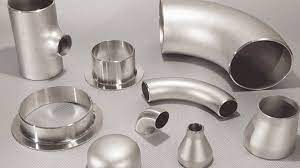
310 stainless steel fittings encompass a wide variety of connection components designed to redirect, split, or terminate piping runs. Common types of SS 310 fittings include:
Standard Fittings:
Elbows (45°, 90°, 180°)
Tees (Equal and Reducing)
Reducers (Concentric and Eccentric)
Couplings
Caps and Plugs
Bushings
Unions
Crosses
These SS 310 stainless steel fittings are manufactured according to international standards such as ASME B16.9, ASME B16.11, ASME B16.28, and MSS SP-43. They are available in both buttweld and socket weld configurations, with threaded options for specific applications.
Manufacturing Standards:
SS 310 fittings are produced using various manufacturing techniques including seamless forming, welded fabrication, and forging. The choice of manufacturing method depends on the size, wall thickness, and specific application requirements. Seamless fittings offer superior strength and reliability for critical high-pressure applications, while welded fittings provide cost-effective solutions for less demanding services.
Size Range:
Austenitic SS 310 fittings are available in sizes ranging from 1/8" to 48" NPS (Nominal Pipe Size), with various schedule ratings including Schedule 10S, 40S, 80S, 160, and XXS to accommodate different pressure requirements.
SS 310 Stainless Steel Flanges
310 stainless steel flanges serve as the primary method for connecting pipes, valves, pumps, and other equipment in industrial piping systems. The SS 310 flanges category includes several design types:
Flange Types:
Slip-On Flanges
Weld Neck Flanges
Blind Flanges
Socket Weld Flanges
Threaded Flanges
Lap Joint Flanges
Orifice Flanges
Reducing Flanges
Each SS 310 stainless steel flange type offers specific advantages. Weld neck flanges provide the highest strength and are ideal for high-pressure, high-temperature applications. Slip-on flanges offer easier alignment and are more economical for lower-pressure systems. Blind flanges are used to terminate piping runs or provide access points for inspection and maintenance.
Standards and Pressure Ratings:
SS 310 flanges are manufactured according to ASME B16.5, ASME B16.47, ASME B16.48, and other international standards. They are available in pressure classes ranging from 150# to 2500#, with dimensions conforming to ANSI, DIN, BS, and JIS specifications.
Surface Finishes:
Flange facing surfaces are critical for ensuring leak-tight seals. Common finishes for austenitic SS 310 flanges include:
Raised Face (RF)
Flat Face (FF)
Ring Type Joint (RTJ)
Tongue and Groove (T&G)
Male and Female (M&F)
Austenitic SS 310 Flat
Applications and Characteristics
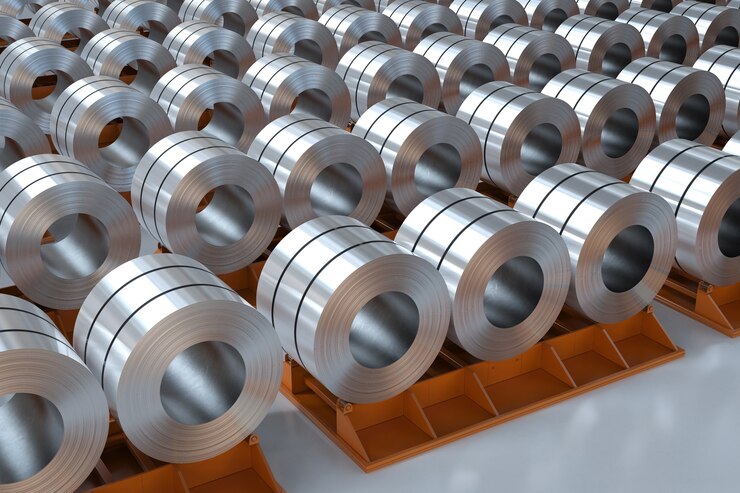
Austenitic SS 310 flat products, including plates, sheets, and strips, represent a significant segment of the 310 stainless steel market. The 310 stainless steel flat materials are used in fabrication applications where heat resistance and corrosion resistance are essential.
Product Forms:
Plates (6mm to 100mm thickness)
Sheets (0.4mm to 6mm thickness)
Strips (0.1mm to 3mm thickness)
Coils (various widths and gauges)
Surface Finishes:
SS 310 flat products are available in multiple surface finishes to meet different aesthetic and functional requirements:
2B: Cold rolled, heat treated, and pickled
BA: Bright annealed for reflective surfaces
No. 1: Hot rolled, annealed, and pickled
No. 4: Satin/brushed finish for architectural applications
8K: Mirror polish for decorative applications
Fabrication Capabilities:
The 310 stainless steel flat materials can be cut, formed, welded, and machined using conventional fabrication techniques. However, due to their high work-hardening rate, proper tooling and techniques are essential to maintain dimensional accuracy and surface quality. Water jet cutting, plasma cutting, and laser cutting are commonly used methods for precision cutting of SS 310 flat products.
Austenitic SS 310 Pipes and Tubes
Overview and Specifications
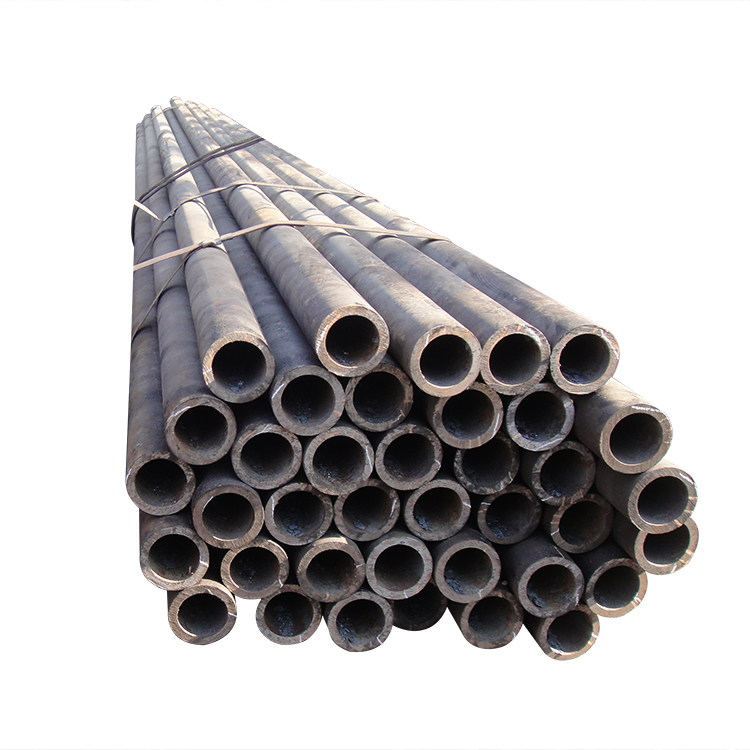
Austenitic SS 310 pipes and tubes are fundamental components in high-temperature piping systems. These products are manufactured in both seamless and welded forms to accommodate various pressure ratings, temperature conditions, and installation requirements.
Pipe Specifications:
Seamless Pipes: ASTM A312, ASME SA312
Welded Pipes: ASTM A358, ASTM A409
Size Range: 1/8" NPS to 36" NPS
Schedule Range: SCH 5S to SCH XXS
Length: Random, Single Random, Double Random, or Cut to Length
Tube Specifications:
Seamless Tubes: ASTM A213, ASME SA213
Welded Tubes: ASTM A249, ASTM A269
Outside Diameter: 6mm to 219mm
Wall Thickness: 0.5mm to 25mm
Length: Up to 12 meters or as required
Manufacturing Processes
Seamless Manufacturing:
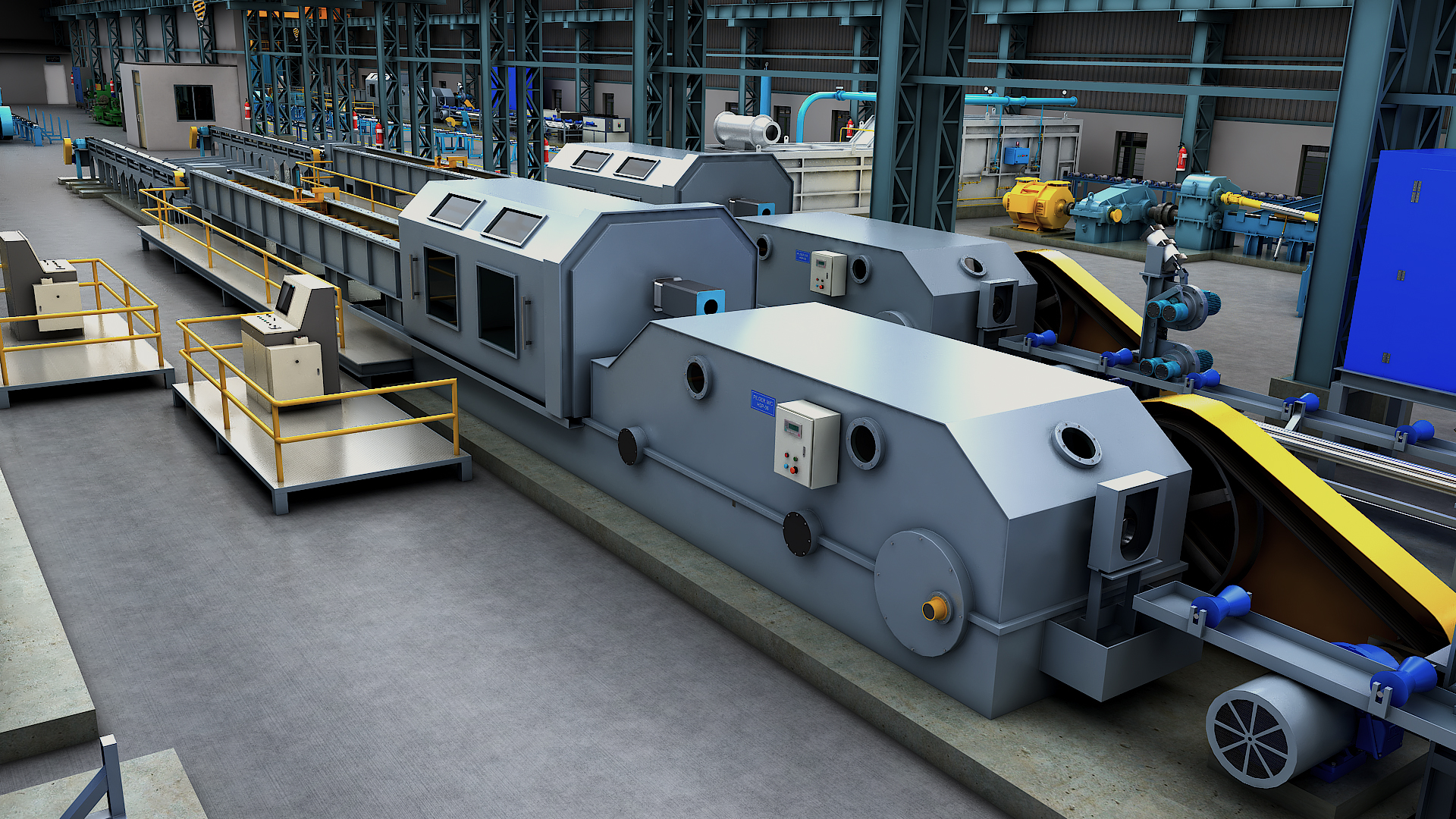
Seamless austenitic SS 310 pipes are produced through hot extrusion or rotary piercing processes, which create a homogeneous structure without weld seams. This manufacturing method results in superior strength, reliability, and resistance to internal pressure, making seamless pipes the preferred choice for critical high-temperature applications.
Welded Manufacturing:
Welded SS 310 pipes are fabricated by forming flat sheets into cylindrical shapes and welding the longitudinal seam using TIG, MIG, or SAW welding processes. While welded pipes are generally more economical than seamless variants, they may require post-weld heat treatment and additional inspection to ensure weld integrity.
Heat Treatment
Most austenitic SS 310 pipes and tubes undergo solution annealing heat treatment at temperatures between 1040°C and 1150°C, followed by rapid quenching. This process dissolves carbides, relieves internal stresses, and optimizes the material's microstructure for maximum corrosion resistance and mechanical properties.
Applications Across Industries
High-Temperature Applications
The superior heat resistance of 310 grade stainless steel makes it indispensable in numerous high-temperature applications:
Furnace Components:
Furnace linings and supports
Radiant tubes and recuperators
Combustion chambers
Heat shields and baffles
Burner components
Heat Treatment Industry:
Baskets and fixtures
Conveyor belts and chains
Annealing boxes
Quench tanks
Petrochemical Industry:
Cracking tubes
Reformer tubes
Heat exchanger tubes
Catalyst support grids
Corrosive Environment Applications
Beyond high-temperature service, SS 310 stainless steel excels in corrosive environments:
Chemical Processing:
Reactor vessels
Distillation columns
Condensers and coolers
Storage tanks for aggressive chemicals
Power Generation:
Boiler tubes and headers
Superheater tubes
Steam piping systems
Flue gas desulfurization equipment
Food Processing:
High-temperature ovens and dryers
Baking equipment
Roasting chambers
Heat treatment equipment
Quality Standards and Testing
Material Certification
All austenitic SS 310 products should be supplied with comprehensive material test reports (MTRs) that verify chemical composition, mechanical properties, and compliance with applicable standards. Third-party inspection by agencies such as TÜV, Lloyd's Register, or Bureau Veritas provides additional assurance of quality and traceability.
Non-Destructive Testing
Critical components such as SS 310 stainless steel fittings and flanges often undergo rigorous non-destructive testing:
Ultrasonic Testing (UT)
Radiographic Testing (RT)
Liquid Penetrant Testing (PT)
Magnetic Particle Testing (MT) - where applicable
Positive Material Identification (PMI)
These testing methods ensure the integrity of welds, detect surface and subsurface defects, and verify material composition without damaging the components.
Installation and Maintenance
Welding Considerations
Welding austenitic SS 310 requires specific precautions to maintain material properties and prevent defects:
Recommended Filler Materials:
ER310 for matching composition
ER312 for dissimilar metal joints
ER316L for improved corrosion resistance
Welding Techniques:
Maintain interpass temperature below 150°C
Use low heat input to minimize carbide precipitation
Employ proper shielding gas (argon or argon-helium mixtures)
Clean weld area thoroughly before and after welding
Maintenance Best Practices
Regular inspection and maintenance extend the service life of SS 310 components:
Periodic visual inspection for signs of oxidation or distortion
Ultrasonic thickness measurement to monitor wall thinning
Replacement of gaskets and seals at recommended intervals
Documentation of operating temperatures and pressure cycles
Conclusion
SS 310 stainless steel represents a premium solution for applications demanding exceptional heat resistance, oxidation resistance, and structural integrity. The carefully balanced chemical composition of 310 stainless steel, featuring high chromium and nickel content, delivers properties that far exceed conventional austenitic grades. From austenitic SS 310 fittings and flanges to pipes, tubes, and flat products, this versatile material continues to be the cornerstone of high-temperature industrial systems.
Whether you're specifying materials for furnace construction, designing heat exchangers, or selecting components for chemical processing equipment, understanding the comprehensive properties and capabilities of 310 grade stainless steel ensures optimal performance and longevity. The wide availability of SS 310 stainless steel fittings, SS 310 flanges, austenitic SS 310 flat products, and austenitic SS 310 pipes and tubes provides engineers and procurement specialists with complete system solutions that meet the most demanding operational requirements.
As industries continue to push the boundaries of temperature and corrosion resistance, SS 310 stainless steel remains an indispensable material that combines proven performance with long-term reliability.