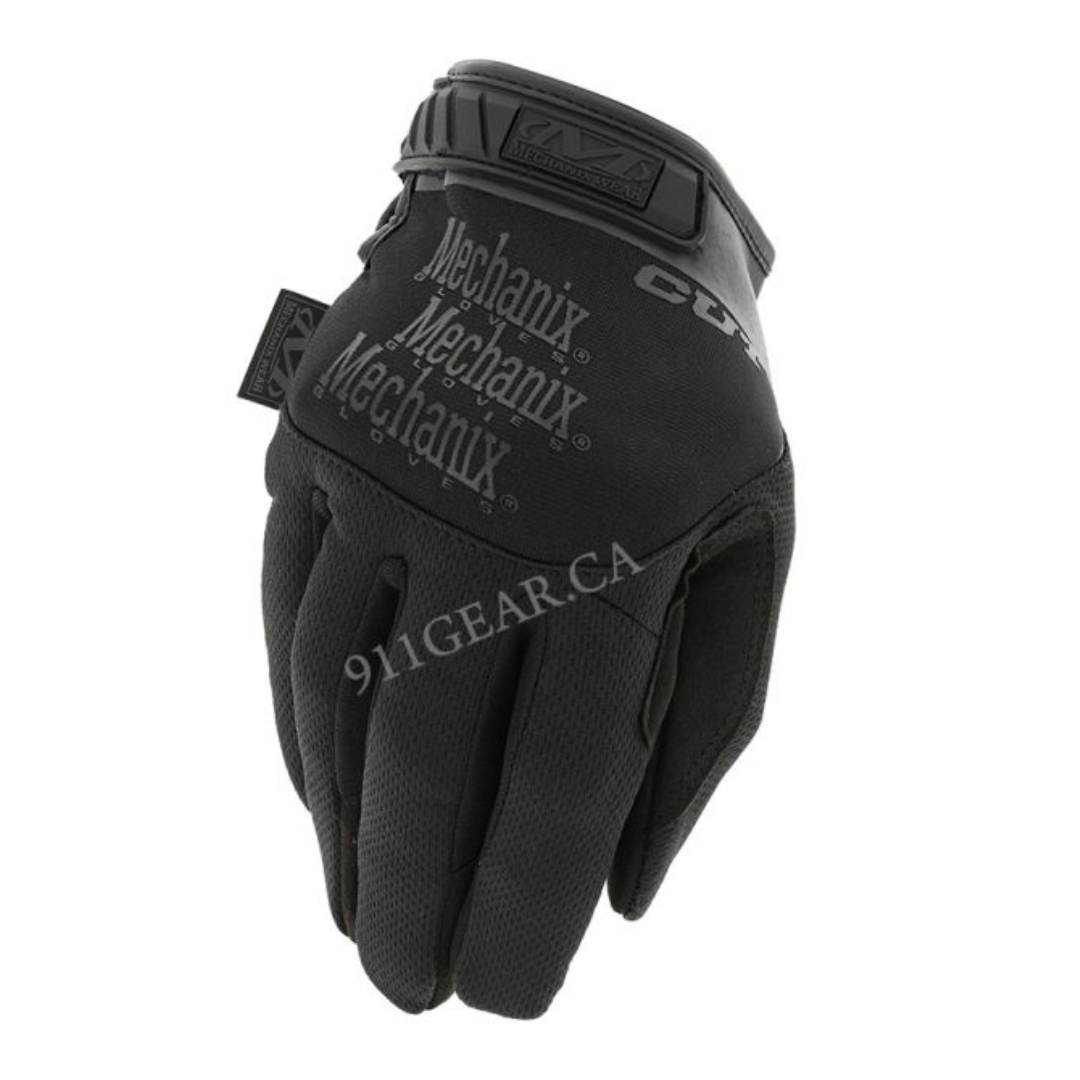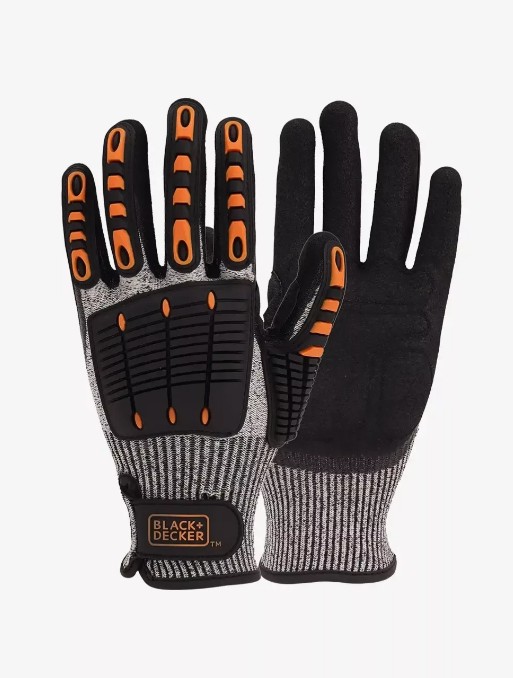
In every professional field, from manufacturing and construction to automotive and glass handling, hands are the most vital assets. They are the instruments of precision, strength, and skill. Yet, they are the most vulnerable to injury. In industrial settings, the risk of cuts from sharp edges, blades, or machinery is a constant threat. While vigilance is key, it is insufficient without the right protection. This is where a robust pair of safety gloves becomes a non-negotiable piece of personal protective equipment (PPE), and specifically, where cut-resistant hand gloves prove their worth as a shield against a major category of occupational injuries.
Understanding Cut Hazards in the Workplace
Workplace accidents, particularly those involving hands, can be life-altering. The sources of cuts are many and varied, including the sharp edges of sheet metal, broken glass, utility blades, and moving machinery. The sobering reality is that many of these incidents are preventable with the correct gear. However, they are often overlooked until a serious incident occurs.
Introducing Cut-Resistant Technology
The transition from standard work gloves to specialised safety products is driven by technology. A pair of cut-resistant hand gloves is not just thicker than a regular glove; it is meticulously engineered with advanced materials to withstand the forces of a sharp edge.
The secret lies in the structure of the material. When a blade or sharp object makes contact, the dense, tightly woven fibres work to dissipate the force of the cut. This technology significantly delays or prevents the blade from penetrating the skin. While no glove is truly "cut-proof," the term anti-cut hand gloves is an apt description of their primary function: to provide a critical layer of defence that can mean the difference between a minor scratch and a life-changing injury.
Choosing the Right Protection: Key Features to Look For
Selecting the right safety glove is a critical decision that balances protection with performance. A key factor to consider is the glove's compliance with international safety standards, such as EN 388, which uses a specific rating system to classify the level of cut resistance. A higher score indicates superior protection.
Beyond the cut-resistance rating, it is crucial to consider the glove’s design. The best cut-resistant hand gloves offer excellent dexterity, allowing workers to maintain their tactile sensitivity and perform intricate tasks without feeling hindered. Additionally, the glove’s grip is essential. Coatings like nitrile or polyurethane provide a secure grip in wet, oily, or dry conditions, ensuring a firm hold on tools and materials. Finally, a proper fit is paramount; a glove that is too loose can get caught in machinery, while one that is too tight can cause fatigue and discomfort.
In the modern workplace, a professional’s safety is a shared responsibility. Equipping your workforce with high-quality anti-cut hand gloves is a proactive measure that goes far beyond mere compliance. It is an investment in the well-being of every employee, reducing the risk of injury and minimising costly downtime.