The evolution of blockchain technology has brought both unprecedented transparency and a growing concern for privacy. While decentralized systems excel at providing verifiable, immutable records, enterprises and users increasingly require confidentiality, especially when handling sensitive data or operating under strict regulatory frameworks. Zero-knowledge smart contracts are at the forefront of addressing this challenge, enabling transactions and computations to be validated without revealing the underlying information. Forward-looking startups and enterprises seeking blockchain integration are turning to smart contract development companies and specialized smart contract development services to leverage these innovations. Frequently asked questions around this topic often focus on privacy protocols, regulatory compliance, zkSNARKs and zkSTARKs integration, scalability, and enterprise deployment.
Understanding Zero-Knowledge Proofs in Smart Contracts
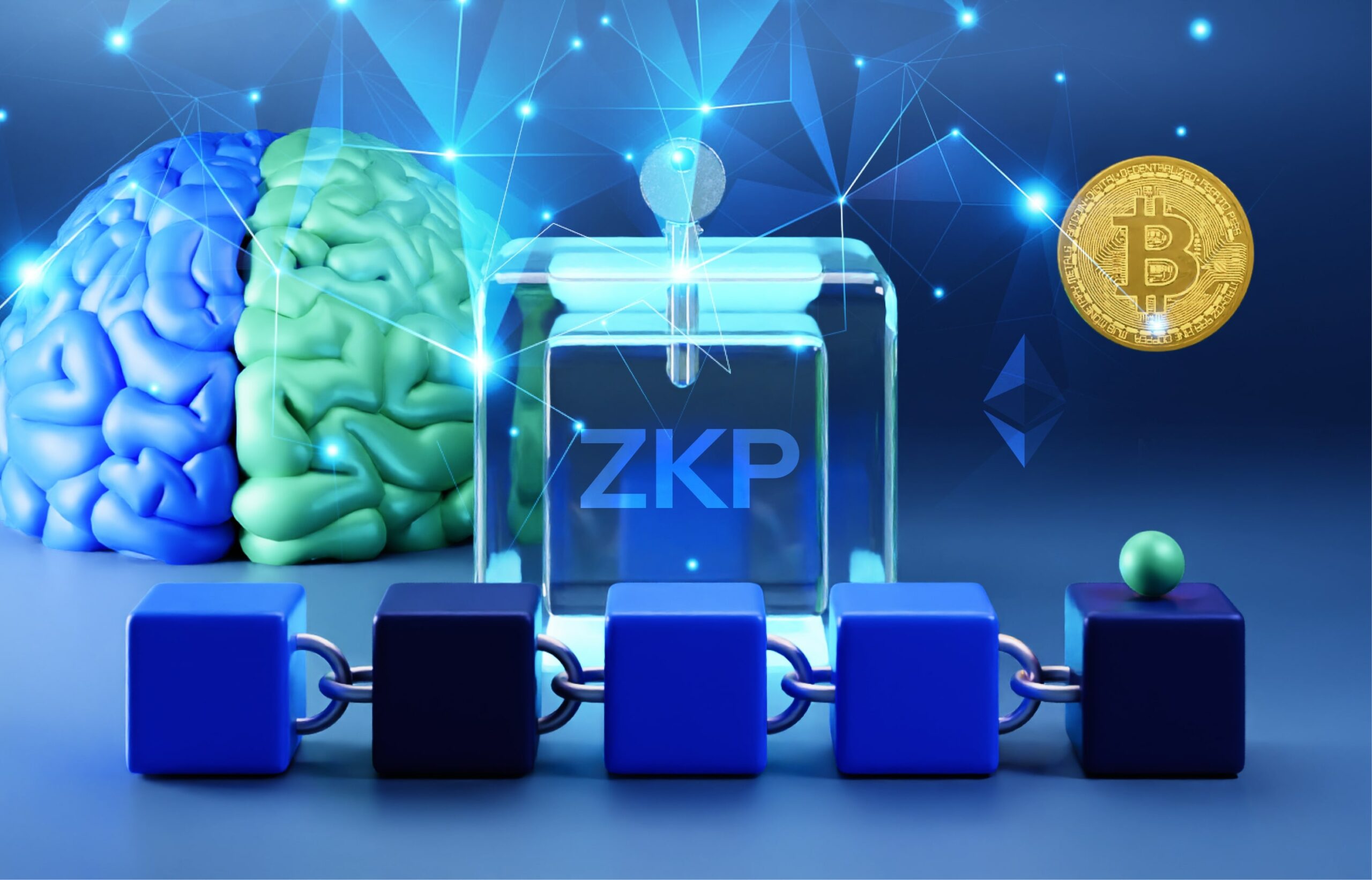
Zero-knowledge proofs (ZKPs) form the backbone of privacy-centric smart contracts. A ZKP allows a party to prove to a verifier that a statement is true without revealing any additional information beyond the validity of the statement itself. This cryptographic method ensures that sensitive data, such as financial transactions, personal identifiers, or contractual terms, remains confidential while still verifiable on a blockchain.
Incorporating ZKPs into smart contracts enables the creation of zero-knowledge smart contracts, which perform computations or execute conditional logic privately. For example, a contract can validate that a user possesses sufficient funds, meets certain criteria, or fulfills a contractual obligation without exposing the exact balances, identities, or transaction details. Professional smart contract development services are essential for implementing these sophisticated systems, as they require deep cryptographic knowledge, careful contract design, and rigorous testing to maintain both functionality and privacy.
Cryptographic Foundations: zkSNARKs and zkSTARKs
Two primary technologies dominate zero-knowledge implementations in smart contracts: zkSNARKs (Zero-Knowledge Succinct Non-Interactive Argument of Knowledge) and zkSTARKs (Zero-Knowledge Scalable Transparent Arguments of Knowledge).
zkSNARKs offer compact proof sizes and fast verification times but rely on a trusted setup, which can be a potential vector for security risks if compromised. zkSTARKs, in contrast, are fully transparent, scalable, and resistant to quantum computing attacks but produce larger proofs, which may affect efficiency. Choosing the right zero-knowledge framework requires careful consideration of application needs, scalability requirements, and the level of trust assumed in the network.
Engaging a smart contract development company ensures that these cryptographic protocols are implemented accurately, balancing performance, security, and privacy, while avoiding common pitfalls such as replay attacks, side-channel leaks, or verification failures.
Benefits for Enterprises and Startups
Zero-knowledge smart contracts deliver substantial benefits across multiple dimensions. Enterprises gain the ability to operate on public blockchains without exposing sensitive commercial data, supporting confidentiality in financial operations, supply chain tracking, and strategic partnerships. Startups benefit from enhanced user trust, as customers can interact with applications while maintaining personal privacy and data sovereignty.
By leveraging smart contract development services, organizations can also automate complex regulatory compliance processes. ZKPs allow compliance checks, such as proof of residency, age verification, or anti-money laundering (AML) confirmations, to be performed without revealing underlying personal or financial data. This approach satisfies regulators’ requirements while preserving user confidentiality.
Use Cases Across Industries
Financial Services
In decentralized finance (DeFi), zero-knowledge smart contracts allow private lending, borrowing, and trading. Platforms can verify collateralization, risk metrics, or creditworthiness without disclosing user balances or transaction histories, maintaining compliance and privacy simultaneously.
Healthcare
Healthcare applications require strict privacy for patient records and sensitive medical data. Zero-knowledge contracts enable verification of insurance coverage, eligibility, and treatment approvals without exposing personal health information, aligning with regulations such as HIPAA and GDPR.
Supply Chain and Enterprise Systems
Supply chain applications benefit from ZKPs by validating product provenance, certifications, and compliance without exposing sensitive supplier data. Companies can maintain confidentiality of proprietary processes while offering verifiable proof to auditors, regulators, and partners.
Security and Risk Management
While zero-knowledge smart contracts enhance privacy, they introduce unique security considerations. Ensuring that proofs are correctly constructed and verified is critical, as improper implementation can lead to silent failures or breaches. Additionally, interactions with external data sources, such as oracles, must preserve privacy and integrity.
A professional smart contract development company incorporates formal verification, automated testing, and rigorous code audits to mitigate these risks. They also ensure that contracts are resilient to emerging threats, including quantum computing and sophisticated cryptographic attacks.
Scalability and Performance Considerations
Zero-knowledge computations are inherently more resource-intensive than standard smart contracts. Proof generation can be computationally heavy, and verification, though more efficient, must be optimized for large-scale deployment. Layer-2 solutions, sidechains, and modular architecture approaches can reduce computational overhead and improve throughput.
Experienced smart contract development services can design solutions that leverage these optimizations, ensuring that zero-knowledge contracts remain performant and scalable for enterprise-grade applications.
Regulatory and Compliance Implications
Zero-knowledge smart contracts offer a unique advantage in regulated industries. By enabling privacy-preserving compliance, businesses can satisfy legal requirements without compromising confidentiality. For instance, a contract may demonstrate tax compliance, KYC adherence, or environmental reporting without revealing underlying transactional data. Smart contract developers integrate these mechanisms seamlessly, balancing transparency, compliance, and user privacy.
Future Outlook
The adoption of zero-knowledge smart contracts is poised to expand dramatically in the next era of blockchain innovation. As cryptographic protocols evolve and become more efficient, applications across finance, healthcare, governance, and supply chain management will increasingly rely on privacy-preserving mechanisms. Companies that partner with professional smart contract development companies and leverage expert smart contract development services will be positioned to offer secure, compliant, and user-friendly solutions that meet both business objectives and regulatory standards.
The integration of artificial intelligence with zero-knowledge proofs may further optimize contract execution, automate verification processes, and provide adaptive compliance monitoring. As ZKP tools mature, they are likely to become a standard component of enterprise blockchain architectures, ensuring that privacy and transparency coexist effectively.
Conclusion
Zero-knowledge smart contracts represent the next frontier in blockchain development, merging privacy with verifiable trust. By enabling confidential computations, private transactions, and compliance automation, they offer a compelling solution for enterprises and startups navigating sensitive data and regulatory landscapes. Collaborating with a smart contract development company and utilizing specialized smart contract development services ensures that these contracts are secure, scalable, and practical for real-world applications. Frequently asked questions in this field focus on cryptographic frameworks, scalability, privacy compliance, security best practices, and enterprise integration strategies, emphasizing the critical considerations for deploying zero-knowledge smart contracts effectively.