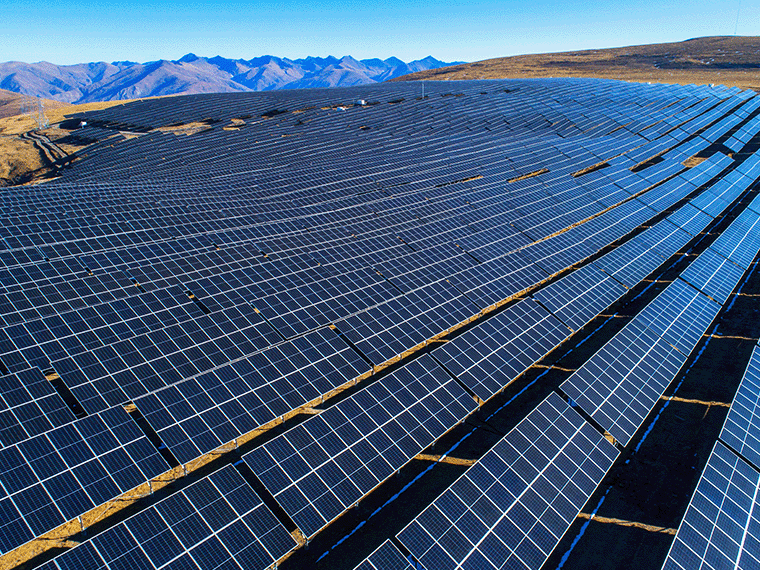
The development of solar power plants, especially large-scale centralized photovoltaic power plants, which are usually between tens and hundreds of megawatts in size, is increasing globally as the world's energy mix accelerates its shift to clean and green energy. High technical requirements, lengthy construction times, and significant financial outlays are all part of these projects, which raise the bar for material and equipment dependability.
Although they only make up a small percentage of the overall cost, cables are essential to solar systems since they carry out the vital function of electrical energy transmission. The system's longevity, safety, and efficiency are all directly impacted by the caliber and choice of photovoltaic cables. A poor choice can cause major financial losses and project delays by causing overheating, insulation deterioration, power outages, and even fires or system failures.
This article, drawing on practical engineering experience, provides a scientific guide to selecting photovoltaic cables to help companies and project owners reduce procurement and operation and maintenance risks, ensuring long-term stable operation of power plants and maximizing return on investment.
The Role of Photovoltaic Cables in Power Plants
In a photovoltaic power plant, cables are crucial for connecting various devices, carrying both direct and alternating current (DC) and providing system grounding protection. They primarily fall into three categories:
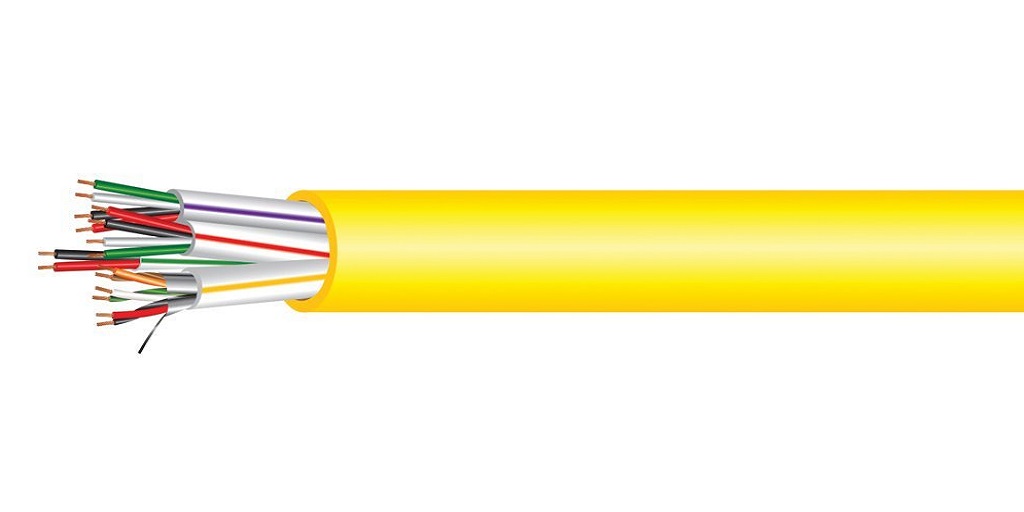
1.DC cables, which connect PV panels, combiner boxes, and DC-side inverters. Because they are exposed to the elements year-round, these cables must be UV-resistant, heat-resistant, cold-resistant, flame-retardant, and age-resistant. Common standard types include PV1-F and H1Z2Z2-K, making them the most critical cabling products in photovoltaic power plants.
2.AC cables, which connect the inverter to the distribution board and transmit power to the grid connection point. AC cables have higher insulation and withstand voltage requirements, typically using high-performance insulation materials such as cross-linked polyethylene (XLPE) to ensure long-term electrical safety.
3.Grounding cables, which are primarily used for system lightning protection and grounding. They ensure that in the event of a lightning strike or leakage, the current is quickly dissipated, protecting equipment and personnel.
Photovoltaic cables run through every link of a photovoltaic power station, acting like the "blood vessels" that sustain the entire system. Therefore, strict adherence to industry standards is crucial when selecting a cable to ensure the long-term, stable operation of the project.
Common Photovoltaic Cable Types and Characteristics
Depending on the conductor material and application scenario, photovoltaic cables are primarily categorized into four types: copper-core cables, aluminum-alloy cables, cables specifically designed for floating power stations, and grounding cables.
·Excellent electrical conductivity provided by tinned copper photovoltaic cables guarantees steady power transmission and little power loss. They are appropriate for uses such short-distance connections between modules and wiring inside combiner boxes that demand the greatest levels of safety and dependability. However, when installing cables over long distances, the cost of installation and transportation is greatly increased due to the high cost and weight of copper.
·Aluminum-alloy photovoltaic cables have recently become widely used in large-scale photovoltaic power stations. Although aluminum's electrical conductivity is slightly lower than copper, through alloying technology and structural optimization, their performance has met the requirements of most photovoltaic projects. Aluminum alloy cables are lightweight and inexpensive, saving approximately 20%-30% in material costs compared to copper-core cables. They are ideally suited for trunk lines in large power plants, especially those requiring extensive, long-distance wiring in ground-based power plants. They can effectively reduce overall investment and construction complexity.

Key Factors in Photovoltaic Cable Selection
In large-scale photovoltaic projects, cable selection not only impacts initial equipment investment but also directly determines subsequent operation and maintenance costs and system efficiency. The following four key factors are crucial during the selection process:
1.Voltage and current ratings.
The cable's rated voltage must match the system design. Common ratings include 600V, 1000V, and 1500V. Insufficient voltage levels pose safety risks, while excessively high levels lead to unnecessary cost waste.
Also, the cable's cross-sectional area should be calculated based on the system current. Undersized cables can easily overheat or even burn out; oversized cables increase material and budget costs. Therefore, safety and cost-effectiveness must be considered comprehensively when selecting cables.
2.Conductor material.
Copper conductors offer the best conductivity and are suitable for critical short-distance connections, ensuring low power loss. Aluminum alloy conductors are lightweight and inexpensive, making them more suitable for large-scale, long-distance installations. Many large-scale projects adopt a "copper + aluminum" combination: copper cables are used for modules and key equipment, while aluminum alloy cables are used for trunk lines, achieving a balance between performance and cost.
3.Insulation and sheath materials.
Outdoor photovoltaic cables are subjected to prolonged sunlight, rain, and temperature variations, putting extreme strain on insulation and sheath materials. Common materials include XLPE (cross-linked polyethylene).
XLPE has exceptional high-temperature resistance, allowing for reliable operation in high-temperature conditions. Furthermore, PV cables must be UV resistant, flame retardant, abrasion resistant, and acid and alkali corrosion resistant to ensure safe use in a variety of conditions.
4.Certification and Compliance Requirements
Certification requirements for PV cables vary across markets. IEC 62930 or TUV certification is commonly required in Europe, the Middle East, and Asia, while UL certification is predominant in the North American market.
Choosing products that meet the certification standards of the project location not only ensures smooth construction but also avoids unnecessary delays and risks during acceptance and export.

Cost Optimization Strategies for Large Projects
Large-scale PV power station projects often use hundreds of thousands or even millions of meters of cable. Scientific selection and rational design can effectively reduce costs.
For example, replacing some copper-core cables with aluminum alloy cables can directly reduce material costs by 15%-20%. Furthermore, aluminum alloy cables are lightweight, making transportation and installation easier, further reducing labor costs.
Furthermore, high-quality PV cables reduce the risk of maintenance and downtime, avoiding power generation losses and additional costs caused by cable damage, making them more economical in the long run.
Common Procurement Mistakes
During the actual procurement process, many project parties are prone to the following mistakes:
1.Substituting ordinary cables for specialized PV cables. Ordinary cables lack weather resistance, UV resistance, and flame retardancy. While this may save costs in the short term, after a few years, the insulation will deteriorate and crack, leading to frequent failures and even fires.
2.Ignoring certification requirements. If a cable product does not meet the standards of the target market, it may fail inspections during acceptance or export, directly impacting the project schedule.
3.Choosing inappropriate cable specifications. Undersized cables can lead to overheating and excessive voltage drop, reducing power generation efficiency; oversized cables waste money and increase procurement and construction costs.
Finally, excessive pursuit of low prices leads to neglect of product quality. Low-quality cables often result in higher ongoing maintenance costs and may even require large-scale replacement, resulting in significant losses. Low prices do not necessarily mean low costs. When purchasing PV cables, long-term safety and reliability must be prioritized.
Although they are not the most costly part of a PV power plant, PV cables are essential to its long-term, safe, and effective functioning. We can successfully lower the risk of failure and operating expenses by logically and scientifically choosing the right conductor material and insulation sheath based on project requirements and closely following international certification standards.
Every aspect of cable selection is important for large-scale solar systems. We can only achieve long-term, steady earnings once the project goes into operation and lay a strong foundation for the growth of clean energy by taking this factor into consideration from the beginning of the design process.