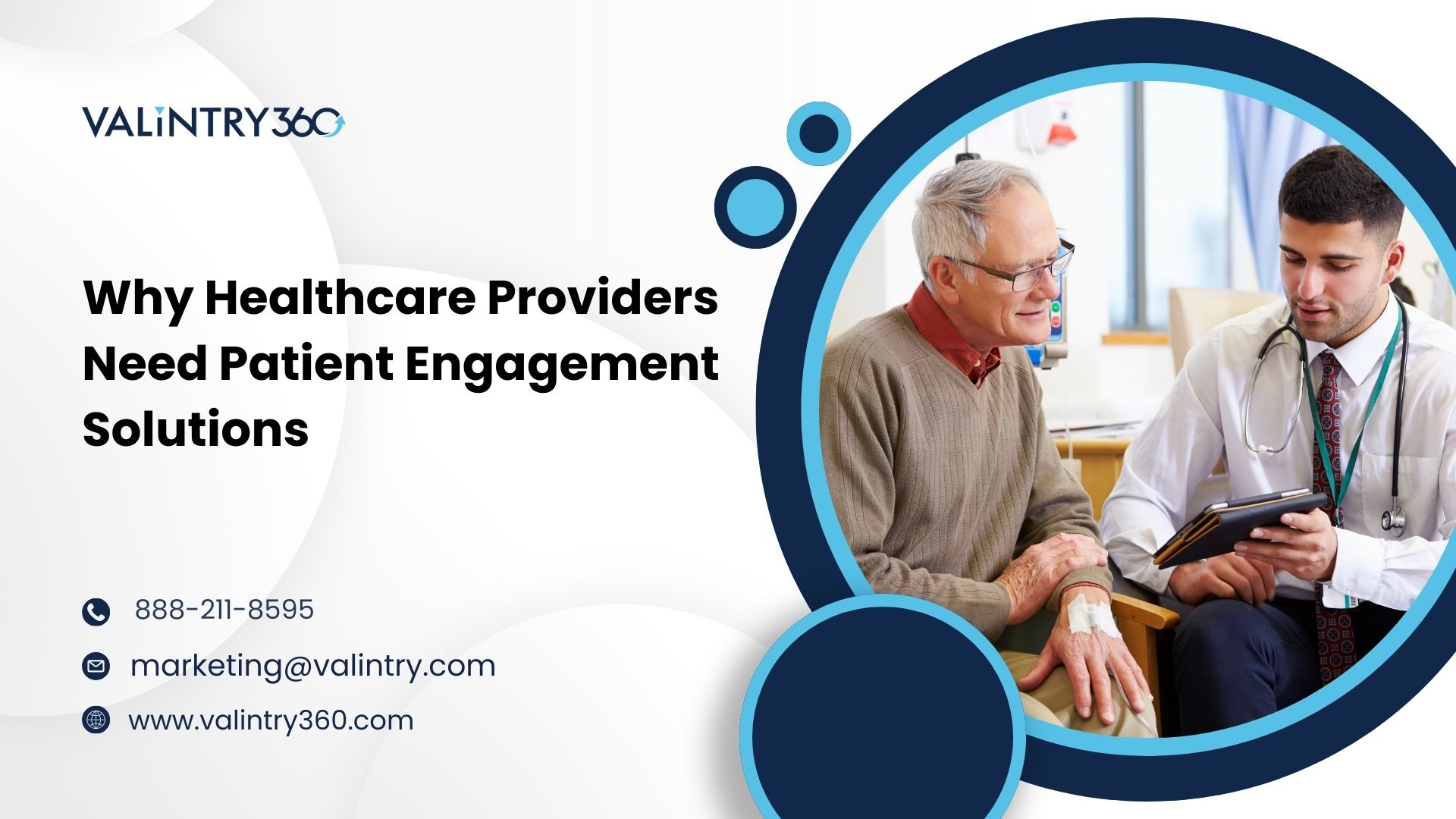
In today’s fast-paced healthcare environment, CRM software in hospitals has become essential for enhancing patient relationships, improving operational efficiency, and increasing patient satisfaction. Customer Relationship Management (CRM) systems allow healthcare providers to manage patient data, streamline communication, and deliver personalized care. Successfully implementing a CRM system in hospitals and medical centers requires careful planning, strategy, and adherence to best practices.
1. Assess Hospital Needs Before Implementation
Before choosing a CRM solution, hospitals must evaluate their specific needs. Determine which departments require CRM integration, whether it is patient scheduling, follow-ups, marketing, or billing. Conducting a needs assessment ensures the chosen CRM software aligns with the hospital’s goals and improves overall efficiency.
2. Choose the Right CRM Software
Selecting the right CRM software is crucial. Look for solutions specifically designed for healthcare, offering features such as patient data management, appointment tracking, automated reminders, and reporting dashboards. Cloud-based CRMs are increasingly preferred for their flexibility, security, and remote access capabilities.
3. Ensure Data Security and Compliance
Healthcare organizations must prioritize HIPAA compliance and patient data security. The CRM system should provide encryption, secure access controls, and audit trails to protect sensitive patient information. Compliance not only safeguards patient trust but also prevents legal and financial repercussions.
4. Train Staff and Encourage Adoption
Even the most advanced CRM software is ineffective without proper training. Conduct workshops and training sessions for all staff members to ensure smooth adoption. Encourage feedback to identify challenges, streamline workflows, and maximize CRM efficiency.
5. Integrate CRM with Existing Systems
For seamless operations, integrate the CRM with existing hospital management systems such as Electronic Health Records (EHR), billing software, and telemedicine platforms. Integration reduces data duplication, improves accuracy, and allows staff to access patient information in real-time.
6. Focus on Patient-Centric Care
A hospital CRM should enhance patient engagement by offering personalized care. Automated reminders, post-treatment follow-ups, and personalized communication improve patient satisfaction and loyalty. Hospitals can also use CRM analytics to track patient trends, identify gaps in care, and implement proactive interventions.
7. Monitor, Evaluate, and Improve
Regular monitoring and evaluation of CRM performance are essential. Use metrics like patient retention rates, appointment compliance, and feedback scores to measure success. Continuous improvements based on insights help hospitals optimize CRM usage and achieve better patient outcomes.
Conclusion
Implementing a CRM system in hospitals and medical centers is not just about technology; it’s about transforming patient care and operational efficiency. By assessing needs, choosing the right software, ensuring compliance, training staff, and focusing on patient-centric strategies, healthcare organizations can successfully leverage CRM to improve both patient experiences and overall hospital performance.