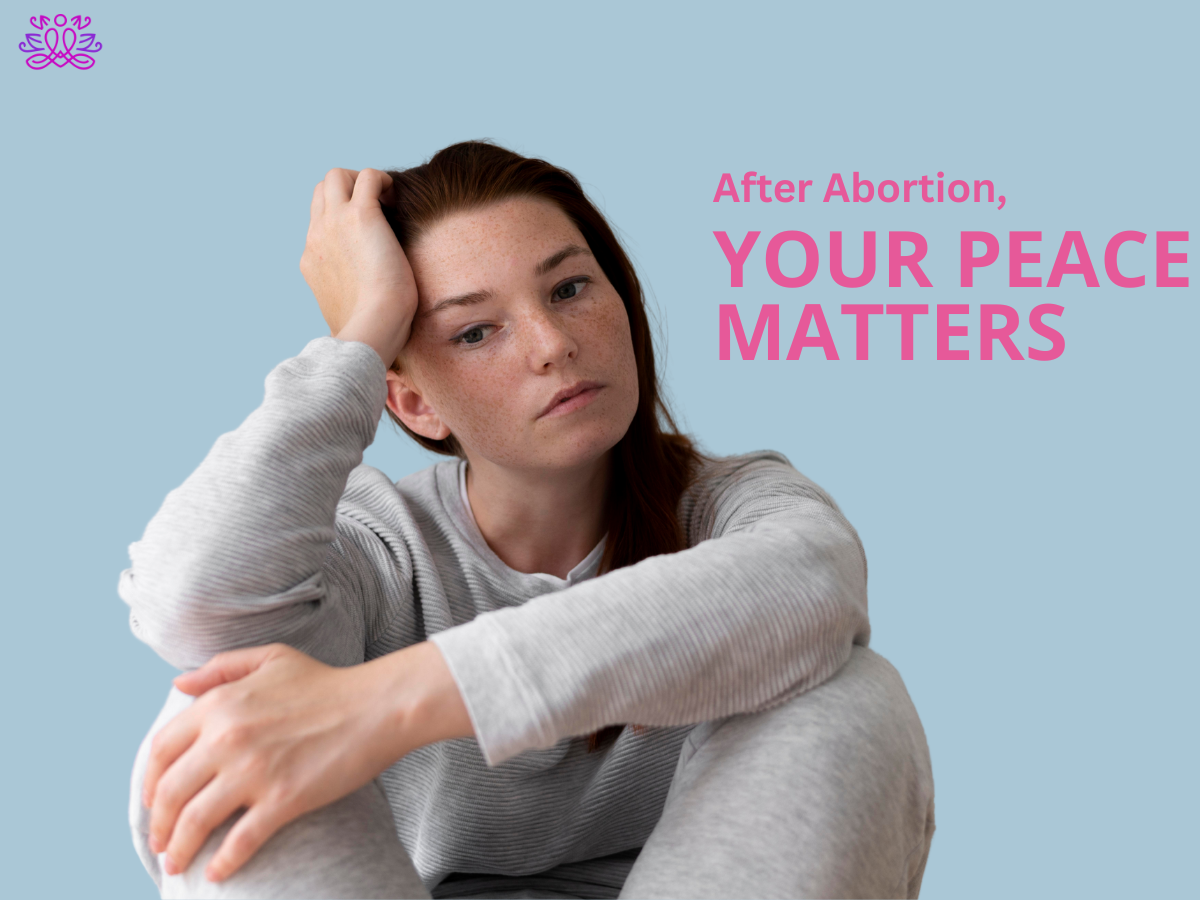
Abortion is a deeply personal decision, one that can bring a mix of relief, sadness, confusion, or even numbness. These emotions are natural responses to a complex experience.
For some people, however, these feelings may linger or grow heavier with time, developing into what’s often known as post-abortion depression.
It’s important to remember: you are not alone, and what you feel is valid. Healing is possible with patience, care, and understanding.
Why Depression Can Follow an Abortion
Emotional responses to abortion can vary widely. Depression doesn’t happen to everyone, but when it does, it may be linked to:
Hormonal changes: After pregnancy, the sudden drop in hormones can affect mood and energy.
Emotional processing: Even when a decision feels right, it can still carry grief or a sense of loss.
Life stressors: Relationship issues, financial pressures, or lack of support can add emotional strain.
Social stigma: Fear of judgment or misunderstanding from others may lead to isolation and guilt.
Each person’s emotional experience is unique — and none of these feelings make your choice or your story less valid.
Recognizing the Symptoms
Depression can look different for everyone, but common signs include:
Persistent sadness or emptiness
Loss of interest in things once enjoyed
Difficulty sleeping or oversleeping
Fatigue or low motivation
Feelings of guilt or worthlessness
Emotional detachment or withdrawal
Appetite changes
Difficulty focusing or making decisions
If these symptoms last for weeks or begin to interfere with daily life, seeking help from a mental health professional is an important step.
Healthy Ways to Cope and Move Forward
Accept your emotions without judgment
Healing starts with acknowledging how you truly feel. There’s no “right” way to process an abortion — your emotions are valid.
Give yourself grace and time
Recovery is not immediate. Be gentle with yourself and take things one day at a time.
Connect with trusted people
Talking with a supportive friend, family member, or community group can ease feelings of loneliness.
Practice self-care
Eat nourishing meals, get rest, and try gentle exercise like walking or stretching. Taking care of your body supports your mind.
Express your emotions
Writing, painting, or simply journaling your thoughts can help release emotional weight.
Seek professional guidance if needed
If sadness, guilt, or anxiety feel overwhelming, it’s completely okay to reach out for professional help — you deserve support.
Get In Clinic Abortion Care in Illinois here.
Finding Your Peace Again
Healing after abortion isn’t about forgetting — it’s about understanding yourself and finding a new sense of balance.
Your emotional journey may have ups and downs, but with time, care, and compassion, peace does return.
Allow yourself to grow from this experience. Let it make you softer, not harder — more understanding, not fearful.
Final Thoughts
Depression after abortion is not a sign of weakness — it’s a reminder that you’re human, capable of deep feeling and reflection.
Healing may take time, but it will happen. Be patient with yourself, surround yourself with kindness, and remember: your mental and emotional health matter.