1. Temperature: The Heart of Composting Efficiency
Temperature control is crucial in composting because microbial activity is directly influenced by heat. The ideal temperature range for composting is between 55°C and 65°C. Within this range, thermophilic microorganisms thrive, breaking down complex organic materials quickly and effectively.
If the temperature drops below 45°C, the composting process slows down as microbes become less active. Conversely, when it exceeds 70°C, it can kill beneficial microorganisms, leading to incomplete composting.
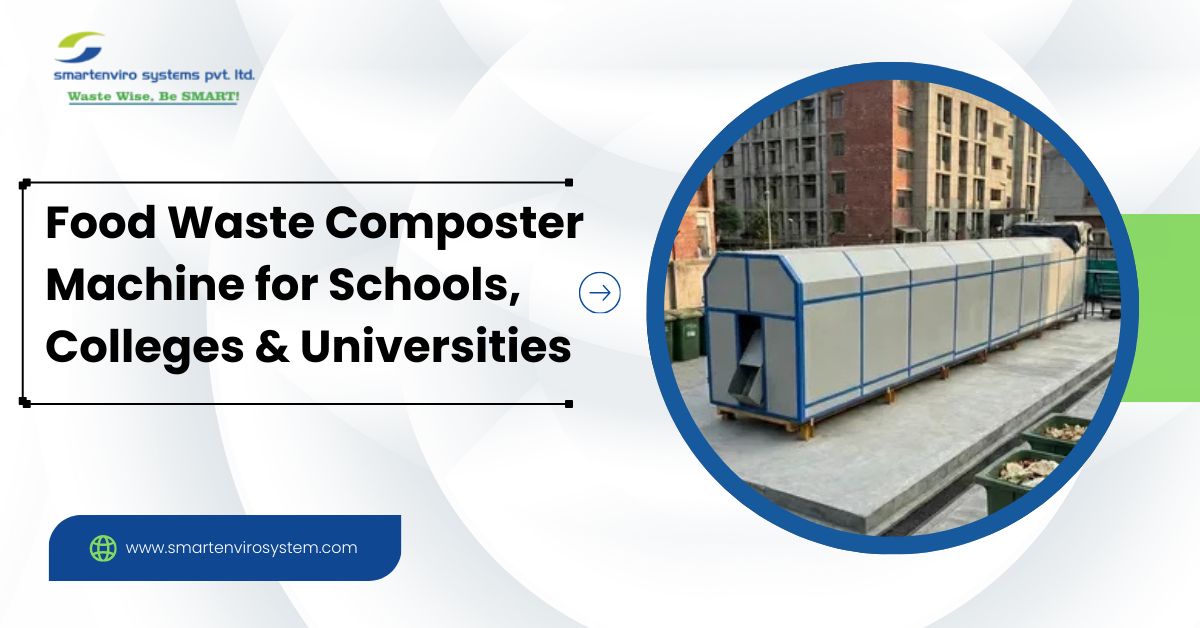
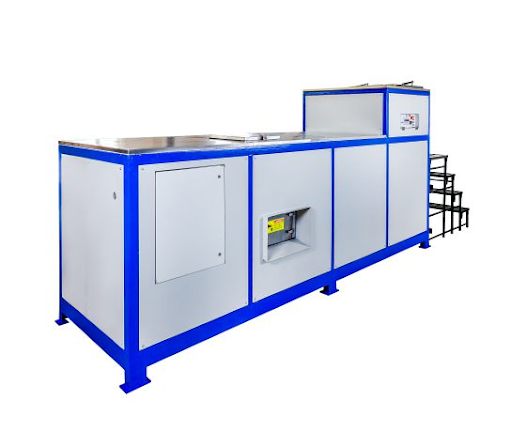
An advanced organic waste composter machine automatically regulates internal temperature using built-in sensors and heaters. This ensures optimal microbial performance and faster decomposition. For those looking to understand how these machines function, check out this detailed guide on organic waste composting machines.
2. Moisture: Maintaining the Right Balance
Moisture content plays a critical role in microbial survival and activity. Compost that is too dry slows down decomposition, while excess moisture creates anaerobic conditions leading to foul odors and pest attraction.
The ideal moisture level in a composting system should be around 50–60%. You can test this easily—when you squeeze a handful of compost, it should feel like a wrung-out sponge.
Modern composite machines are equipped with automatic moisture sensors that adjust water content as needed. These systems ensure consistent moisture control, saving users the hassle of manual monitoring. Additionally, proper moisture management improves oxygen flow and prevents the formation of clumps that can hinder aeration.
3. Aeration: Oxygen is the Key to Odor-Free Composting
Oxygen is essential for aerobic microorganisms responsible for breaking down organic waste. Without adequate aeration, compost piles can turn anaerobic, producing unpleasant smells like ammonia or rotten eggs.
Traditional composting systems rely on manual turning or natural ventilation, but an organic waste composter machine simplifies this process. These machines use automated air circulation mechanisms to maintain continuous oxygen flow throughout the composting chamber.
Proper aeration not only eliminates odor but also helps regulate internal temperature and moisture. When combined with consistent microbial activity, it ensures complete and uniform composting within a shorter duration.
4. Microbial Additives: Boosting the Biological Engine
Microbial additives or bio-cultures act as catalysts in the composting process. They contain specialized strains of bacteria and fungi that accelerate the breakdown of organic matter, even under challenging conditions.
Using microbial cultures in an organic waste composter machine enhances efficiency by maintaining an ideal microbial balance. These additives help manage variations in temperature, moisture, and waste composition, ensuring the composting process continues smoothly.
Some composite machines come pre-loaded with microbial solutions, while others allow manual dosing based on the volume of waste processed. Regular use of these cultures reduces composting time by 30–40%, delivering high-quality, nutrient-rich compost faster.
5. Integrating Automation for Maximum Efficiency
Automation is transforming waste management. Advanced organic waste composter machines now feature temperature sensors, aeration systems, moisture controllers, and real-time data monitoring—all integrated into one unit. This ensures consistency, reduces human error, and enables large-scale waste management with minimal effort.
For example, SmartenViro Systems’ composting solutions are designed to simplify operations while maintaining sustainability. They integrate smart technology to optimize every composting parameter automatically, ensuring users get efficient and odor-free compost within days.
6. Final Thoughts: Achieving Sustainable Waste Management
Optimizing composting involves balancing science and technology. By maintaining ideal temperature, moisture, and aeration levels, and supplementing with microbial additives, you can significantly improve the quality and speed of composting.
Whether for homes, restaurants, institutions, or municipal waste management, investing in a reliable organic waste composter machine is a practical step toward sustainability. It not only reduces landfill waste but also produces eco-friendly compost that supports agriculture and landscaping.
If you’d like to know more about smart composting solutions or need expert guidance for your setup, you can contact SmartenViro Systems here.
In summary, optimizing the composting process with the right combination of temperature control, moisture regulation, aeration, and microbial support is key to efficient waste management. With an organic waste composter machine or composite machine, achieving clean, odor-free, and sustainable composting has never been easier.