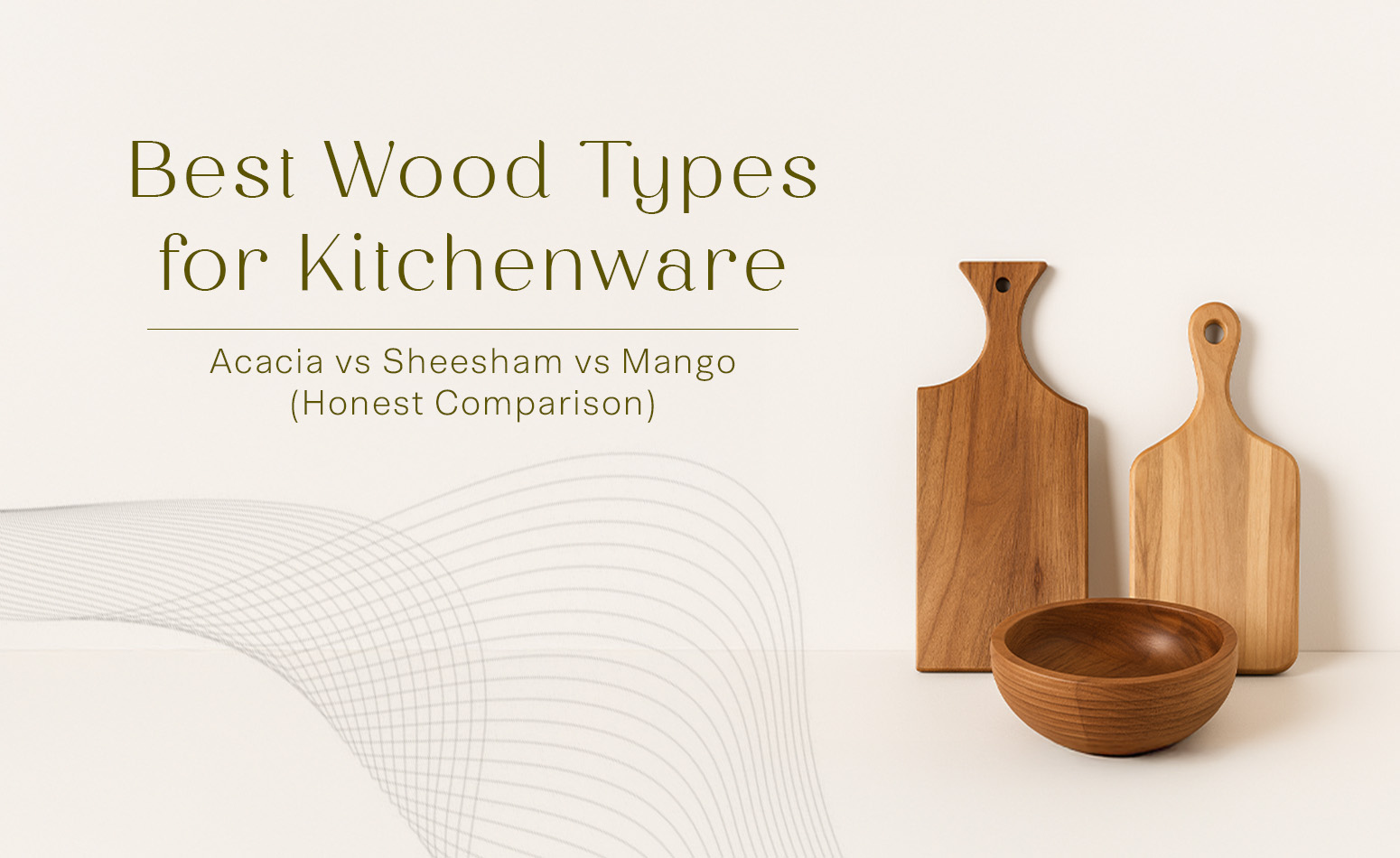


Nowadays, a Wooden Chopping Board is considered more than just a kitchen accessory. Rather, it is now perceived as an indispensable tool in modern kitchens that upgrades the cooking experience while being durable, knife-friendly, and aesthetically pleasing. Since several choices exist in the market, knowing how to pick the right board can make a huge difference in its performance and longevity. This guide will walk you through everything you need to consider before buying the best cutting board for your culinary space.

Why Choose Wood Over Other Materials?
This pertinent aspect is important to consider while choosing cutting boards made of different materials. Wood is an out-and-out winner, being knife-friendly and gentle on knife blades. A Wooden Chopping Board is tremendously durable. Being biodegradable and often sourced from sustainable forests, they are an eco-friendly choice.
Choose the Right Wooden Chopping Board:
It is important to distinguish between different types of wood before choosing the right one. These wood varieties affect the board’s durability, looks, and performance differently. The hardwood boards made with Maple, Walnut and Cherry wood are more robust, less prone to deep cuts, and are ideal for a heavy use. Then there are boards made from Teak wood that offer exceptional durability with natural resistance to water and warping.
There are some affordable options also available, such as Softwood Boards. These are made from Pine and Cedar wood, but they have a much shorter life and are prone to scratches and dents.
Types of Wood Grain:
While choosing the right Wooden Chopping Board, wood grain also plays an important role in judging the board’s strength and durability. Wood grain denotes the pattern, direction and texture of wood fibers. Some of the wood grains used in making cutting boards are:
End Grain: These boards are made with the ends of wood fibers. These boards are self-healing, durable, and therefore commonly used by professionals.
Edge Grain: These boards are made using long strips of wood. While these boards are affordable and sturdy, but knife marks may appear on them over time.
Face Grain: These are the most visually appealing boards that are fit for light chopping in a home kitchen and display.
Key Factors to Consider When Buying a Wooden Chopping Board:
While choosing the right cutting board for your culinary space, keep these points in mind:
- Purpose: Firstly, decide if you need a board for heavy chopping, bread cutting, or display purposes.
- Size & Thickness: Larger boards provide more workspace but require more storage space. A thickness of 1.5–2 inches is generally ideal.
- Weight: Heavy boards are stable, while lighter boards may slip.
Care and Maintenance Tips:
To make your wooden board last pretty longer:
- Always wash the board with mild soap and warm water after every use.
- Dry it immediately with a towel after every wash.
- Apply mineral oil once in a month to prevent it from drying and cracking.
- Avoid washing the board in dishwashers, as heat and moisture can damage the board.
- Try to use separate boards for meat and vegetables to maintain hygiene.
How to Identify Quality Wooden Boards:
When shopping for a Wooden Chopping Board, always look for these signs:
- The board should have a smooth surface without splinters.
- The board must have an even wood grain pattern.
- The board should have sturdy joints in end-grain or edge-grain designs.
Where to Buy the Best Wooden Chopping Boards
The quality of your board also depends on reliable sourcing. Wooden Kitchenware Manufacturer that follow sustainable harvesting and meticulous craftsmanship are your best bet. Always purchase from trusted Wooden Product Manufacturers that use food-safe finishes and high-quality hardwoods. And when you buy from reputable Wooden Product Manufacturers, you ensure both durability and sustainability. With the right choice and care, your board can serve you well for years and become an indispensable part of your culinary journey.