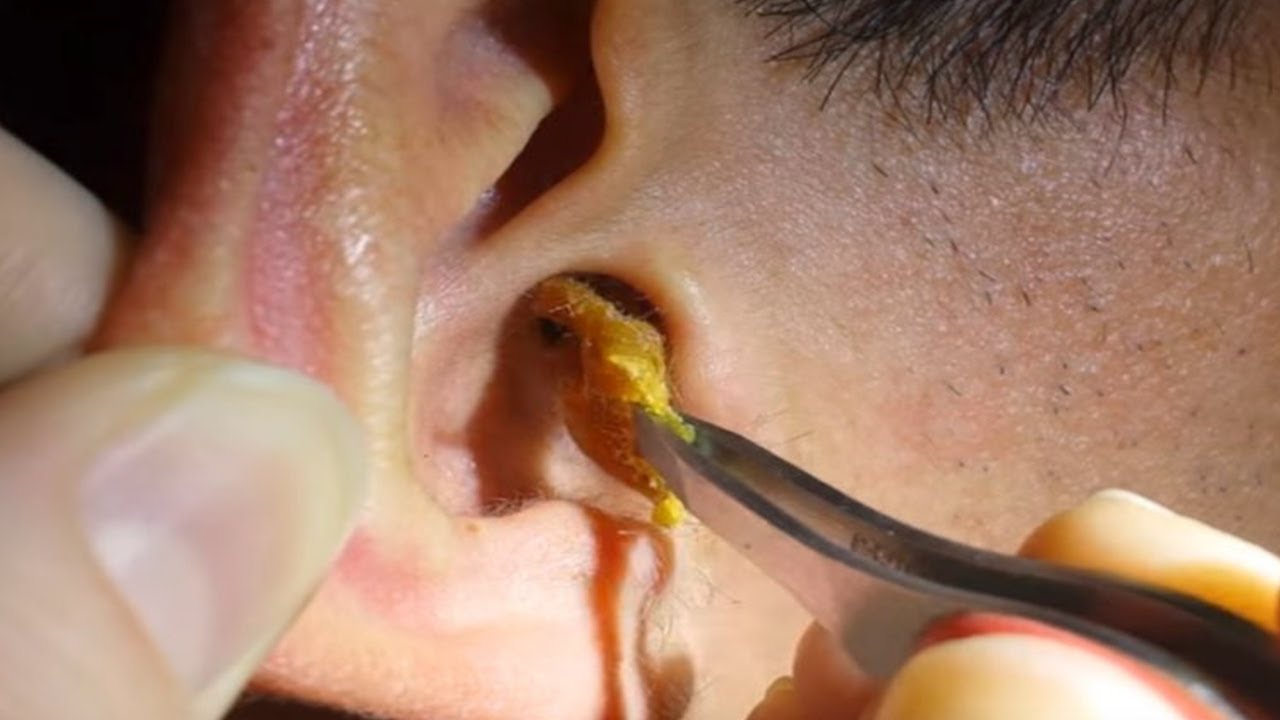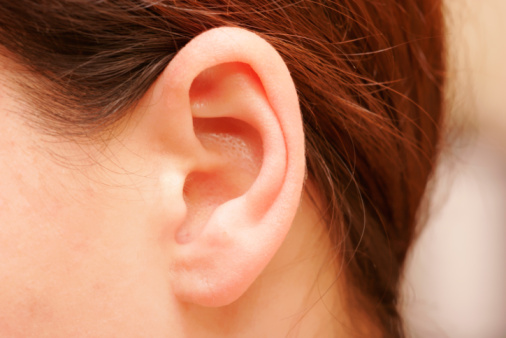
Earwax, also known as cerumen, plays an important role in protecting the ear canal. However, when it accumulates excessively, it can cause discomfort, temporary hearing loss, and even infections. This article explains what earwax is, why buildup happens, and the safest methods for ear wax removing ear, including home treatments and professional options.
What Is Earwax and Why Do We Have It?
Earwax is a natural substance produced by glands in the ear canal. It acts as a self-cleaning, protective layer that:
- Keeps the ear canal lubricated
- Prevents dust, debris, and microorganisms from entering
- Acts as a mild antibacterial barrier
Normally, earwax moves gradually outward and falls away naturally. However, in some cases, it hardens or builds up, leading to blockage.
Common Causes of Earwax Buildup
Excess earwax doesn’t necessarily mean you’re not cleaning your ears properly. In fact, cleaning too aggressively is one of the most common causes. Other causes include:
- Using cotton swabs or ear probes — These often push wax deeper instead of removing it
- Narrow or oddly shaped ear canals — Trap wax inside
- Excess ear hair — Prevents wax from exiting naturally
- Hearing aids or earplugs — Can compress wax and block natural removal
- Skin conditions (eczema or psoriasis) — Can affect earwax consistency
Symptoms of Earwax Blockage
An earwax blockage can cause several uncomfortable symptoms, such as:
- A feeling of fullness or blockage in the ear
- Decreased or muffled hearing
- Itching or irritation
- Ringing in the ear (tinnitus)
- Dizziness or mild imbalance
- Occasional earache
If you experience severe pain, discharge, or sudden hearing loss, contact a healthcare provider immediately.
Earwax Removal Methods
There are several safe and effective ways to remove earwax. The right method depends on how severe the blockage is and whether there are underlying ear conditions.
1. Professional Earwax Removal
For most people, professional removal is the safest and most effective solution. Common in-clinic techniques include:
Microsuction
- A small suction device gently removes earwax under direct visualization through a microscope.
- It’s quick, safe, and doesn’t use water, making it suitable for people with ear infections or perforated eardrums.
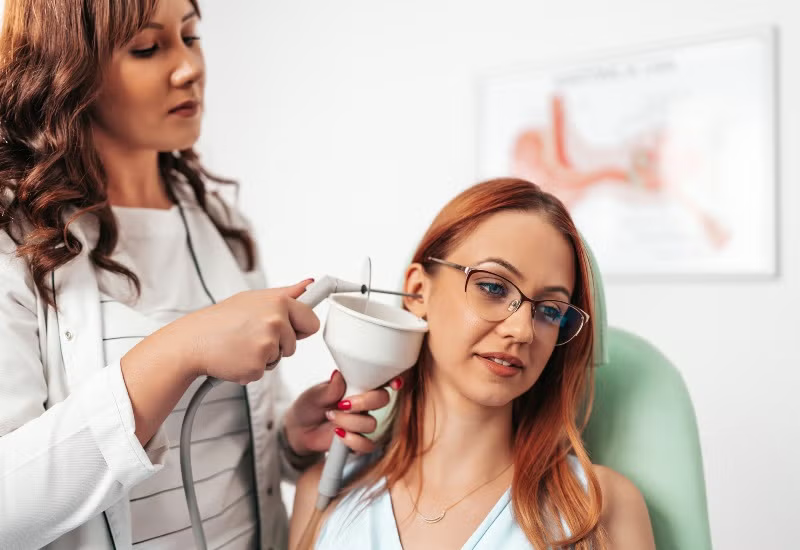
Irrigation (Ear Syringing)
- Warm water or saline is gently flushed into the ear canal to dislodge and wash out the wax.
- It’s generally safe when performed by a professional but may not suit everyone.
Manual Removal (Instrumentation)
- An ENT specialist may use small instruments (like a curette or forceps) under magnification to physically remove hardened wax.
- Useful when wax is very dry or impacted.
2. At-Home Earwax Treatments
If you have mild buildup and no history of ear problems, several home remedies may help:
Over-the-Counter Ear Drops
- Contain substances like hydrogen peroxide, carbamide peroxide, or olive oil to soften wax.
- Apply as directed for a few nights to help the wax come out naturally.
Warm Water Rinse (with Caution)
- After using softening drops, a gentle shower rinse may help flush loose wax.
- Never use pressurized devices or cold water, as they can cause dizziness or injury.
Natural Oils
- A few drops of mineral oil, baby oil, or olive oil can lubricate the ear canal and facilitate wax movement outward.
Avoid: Cotton swabs, matchsticks, or ear candling — these methods can push wax deeper or damage the ear canal and eardrum.
When to See a Doctor
Seek medical attention if:
- You have persistent ear pain or pressure
- You experience sudden hearing loss
- There is discharge from your ear
- You have a history of ear surgery or perforated eardrum
- Over-the-counter treatments haven’t helped
An ENT specialist can safely assess your ears using an otoscope and recommend the best removal option.
How to Prevent Earwax Buildup
You can’t (and shouldn’t) prevent all earwax — but you can reduce excessive accumulation:
- Avoid inserting anything into your ears
- Use ear drops occasionally if you produce thick wax
- Clean only the outer ear with a damp cloth
- Keep ears dry and avoid excessive moisture
- Schedule regular ear check-ups if you use hearing aids
Possible Complications of Improper Earwax Removal
Incorrect cleaning techniques can lead to several complications:
- Ear canal injury or bleeding
- Perforated eardrum
- Infection (otitis externa)
- Worsened hearing problems
Always follow safe practices or consult a healthcare professional instead of experimenting with unproven methods.
The Role of Ear Hygiene in Hearing Health
Good ear hygiene is more than just keeping your ears clean. It’s about understanding the natural defense mechanisms of your body. Overcleaning can strip the ear canal of its protective layer, leading to irritation or infection. The goal should be maintaining balance — not total wax removal.
Key Takeaway
Earwax isn’t something to fear — it’s part of the body’s natural defense system. Problems occur only when it builds up excessively or becomes impacted. The safest way to manage earwax is to avoid overcleaning and seek professional help when needed.
Regular check-ups, good hearing hygiene, and patient education can keep your ears healthy and your hearing clear.
FAQ — Common Patient Questions About Earwax Removal
1. Can I remove earwax myself?
For mild buildup, ear drops or natural oils can be effective. However, avoid inserting anything into your ear canal. If symptoms persist, visit a professional.
2. Are ear candles safe for cleaning ears?
No. Studies show ear candling is ineffective and can cause burns, blockage, or eardrum perforation. It’s best avoided.
3. How often should I clean my ears?
Most people don’t need to clean inside their ears at all. The ear is self-cleaning. Gently wipe the outer ear with a damp cloth during regular hygiene routines.
4. What if I wear hearing aids?
Hearing aids can trap wax inside the canal. Regular ear check-ups every few months are recommended to prevent blockages.
5. Does earwax affect hearing tests?
Yes. Impacted earwax can temporarily reduce hearing and affect test results. Always have your ears checked before an audiometry exam.

Clean Ear is an online platform dedicated to selling Clean Ears, an all in one natural ear wax removal system.
This platform was started in February 2020 and is an extension of Savantpharma Pte Ltd. that is a local startup company that was started by two ex-pharmaceutical sales representatives in Singapore in July 2019.
The sole purpose of Savantpharma is to distribute high-quality medical products and medical devices to the clinics and hospitals in Singapore.