Why Regional Conditions Shape Every Roof Decision
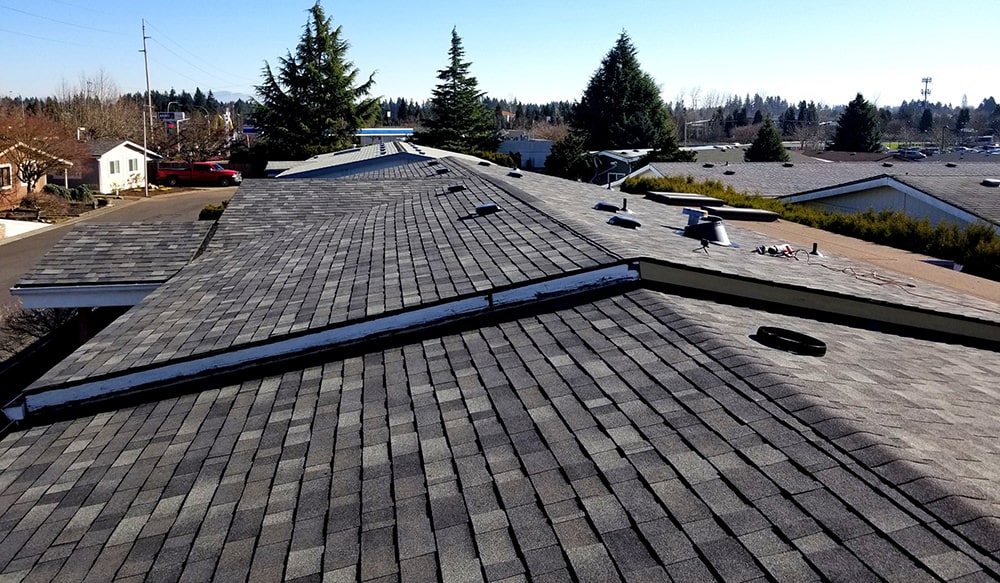
In Tampa Bay, roofs face a demanding mix of blazing sun, sudden downpours, tropical storms, and salty coastal air. That blend accelerates wear in ways homeowners in other regions might never see. Understanding how local weather affects shingles, fasteners, flashing, and underlayment is the first step to making smart choices about maintenance, replacement, and timely roof repair. From Seminole Heights bungalows to waterfront homes in St. Petersburg and Clearwater, a small leak today can become a major interior headache after the next afternoon thunderstorm.
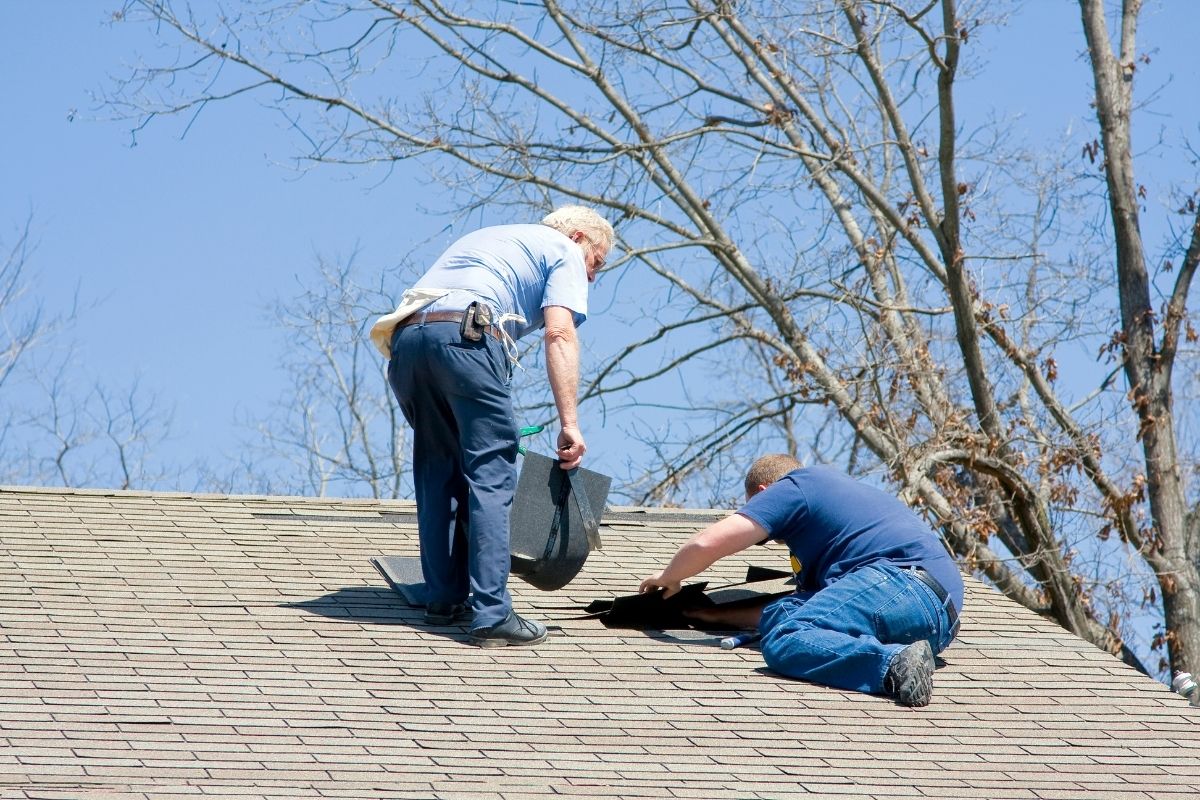
Working with a roofing contractor who knows the nuances of Gulf Coast weather helps you spot storm-lifted shingles, wind-driven water intrusion, and UV-brittle sealants before they snowball. Even simple seasonal checkups can catch early signs of rusted nails, granule loss, or failing pipe boots—issues that, if handled with prompt roof repair, extend the life of the entire system.
Signs It’s Time to Schedule Roof Attention
Not every issue screams “urgent.” But in areas like Tampa, where gusts off the bay can push rain under even minor gaps, early detection is everything.
- Granules washing into gutters: Shingle protection is thinning. Addressing it with targeted roof repair prevents premature aging across larger sections.
- Lifted or curling shingles: High winds or heat fatigue may have compromised adhesion. Re-securing or replacing affected courses helps stop moisture intrusion.
- Flashing fatigue: Around chimneys, skylights, and valleys, flashing takes a beating. A roofing contractor can reseal or replace flashing before it fails under the next squall.
- Dark spots or attic moisture: Even if ceilings look fine, humidity and discoloration in the attic can signal slow leaks.
- Sagging at eaves: Heavy rain and clogged gutters put stress on edges. Reinforcing decking and improving drainage can stabilize the system.
When caught early, many of these issues are manageable with cost-effective roof repair rather than broad replacement.
Building a Tampa-Proof Roofing Plan
A durable roof here is more than just shingles. It’s an integrated system designed to handle heat, wind, and water.
- Ventilation tuned to our climate: Balanced intake and exhaust lowers attic temperatures, reduces moisture, and protects shingle adhesives.
- Underlayment that resists wind-driven rain: Modern synthetics and secondary water barriers help hold the line during afternoon cloudbursts or stronger systems.
- Coastal-aware fasteners and accessories: Corrosion-resistant components stand up to salty air, especially important in neighborhoods near the bay.
- Flashing and sealant scheduling: Proactive re-sealing around penetrations—solar arrays, vents, satellite mounts—can prevent hidden damage.
A seasoned roofing contractor will tailor these elements for homes from Westchase to Brandon, factoring in exposure, roof pitch, and surrounding tree cover.
Post-Storm Checklists That Actually Work
After a summer squall line or a tropical system rolls through, a quick, safe walkthrough from the ground can help you decide whether to call in a pro.
- Walk the perimeter: Look for missing shingles, debris impact, or fascia damage.
- Check gutters and downspouts: Excess shingle granules or dented metal suggest wind or hail stress.
- Peek into the attic: Use a flashlight to find damp insulation, discolored decking, or active drips.
- Inspect ceilings and walls: Water rings or soft drywall may show up days after a storm.
If anything raises concern, prompt roof repair can keep a small puncture, lifted ridge, or stressed valley from escalating during the next round of storms.
Maintenance Calendar for Year-Round Peace of Mind
Consistency beats crisis. A practical routine aligned with our regional weather keeps your roof ready for anything.
- Spring: Clear debris from valleys and gutters, check for animal nesting at eaves, and schedule a system inspection ahead of storm season.
- Mid-summer: Verify attic ventilation performance and look for sun-baked sealants that need renewal.
- Early fall: Address minor roof repair items before late-season storms; trim branches that could scrape or fall.
- Winter: While milder here, cooler months are ideal for planned improvements without peak-season pressures.
When to Prioritize Repair vs. Replacement
Not every aging roof needs a full tear-off. Focused roof repair often makes sense when damage is localized, the deck is sound, and overall shingle life remains. Replacement becomes practical when widespread granule loss, repeated leaks, or structural issues point to diminishing returns. A roofing contractor can assess ventilation, decking integrity, and water pathways to help map the most sensible path.
Material Choices That Stand Up on the Gulf Coast
From architectural shingles designed for wind resistance to metal systems that handle heat and salt, materials matter. Reflective options can reduce attic temperatures; underlayments engineered for high-humidity protection add insurance beneath the surface. Matching the right components with precise installation techniques—and timely roof repair as needed—creates a resilient, efficient roof built for Tampa Bay realities.
Final Thoughts
A healthy roof in Tampa Bay isn’t just about surviving the next storm; it’s about everyday performance under intense sun, sudden squalls, and coastal air. With routine inspections, quick-response roof repair, and guidance from a knowledgeable roofing contractor, homeowners across Carrollwood, Ybor City, and beyond can keep small issues small—and enjoy a drier, safer home no matter what the forecast brings.
Company Name: Logan Roofing
Address: 1517 Crawfordville Hwy, Crawfordville, FL, 32327, US
Phone: (850) 926-3080