


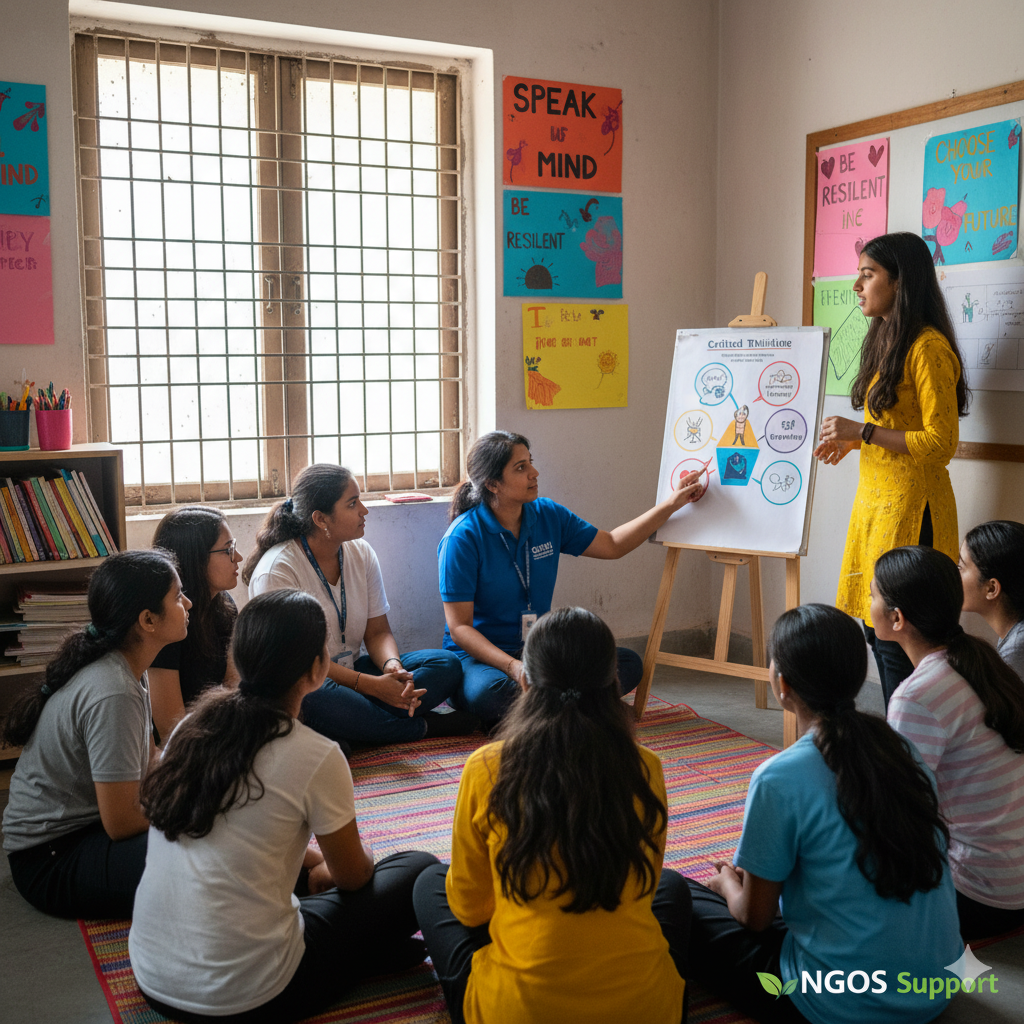
Adolescence marks a critical crossroads—a time of identity formation, emotional flux, and growing social pressures. While academic lessons shape the mind, life skills education empowers young people with the soft skills and resilience they need to navigate challenges confidently. Beyond textbooks, these competencies, such as critical thinking, empathy, and self-management, enable adolescents to make informed decisions, build healthy relationships, and shape their futures proactively.
What Are Life Skills and Why Do They Matter?
Life skills include essential capacities such as:
Self-awareness and empathy
Critical and creative thinking
Decision-making and problem-solving
Communication, negotiation, and adaptability
Self-management and resilience
These skills allow young people to translate knowledge and values into action, enhancing mental well-being, fostering positive relationships, and preventing risky behaviors like substance use or aggression. Research has shown that these programs improve self-esteem and mental health among youth.
Building Resilience and Well-being
Evidence from adolescent life skills interventions in India highlights significant benefits. Programs have been linked to notable reductions in depression, anxiety, and stress among school-going teens. Meanwhile, socio-emotional learning (SEL) initiatives in educational settings have resulted in substantial improvements, boosting school attendance by over 66%, increasing self-efficacy and resilience, and promoting more egalitarian gender attitudes.
Fostering Agency—Especially for Girls
Quality life skills programming doesn’t just equip young people with tools—it helps them realize their agency. Research shows that when adolescent girls receive life skills education, they gain confidence, challenge restrictive norms, and make choices that enhance their learning, health, and aspirations. These programs strengthen their “power within” and are pivotal for long-term empowerment.
Integrating Life Skills into Education Systems
Mainstreaming life skills isn’t just a smart strategy; it’s essential. A national collaborative effort among NGOs, funders, and state governments is working to embed life skills into India’s education ecosystem. Efforts include developing a standardized vocabulary for life skills, culturally relevant assessment tools, and evidence-based frameworks to inform policy and practice.
These steps help shift life skills from optional workshops to core education strategies, ensuring all young people benefit, regardless of context.
The Role of NGOs Support in Scaling Impact
In resource-constrained communities, like underserved urban settlements, life skills education often hinges on effective NGO support. NGOs play several critical roles:
Designing an age-appropriate, culturally sensitive curriculum
Training peer educators and community facilitators
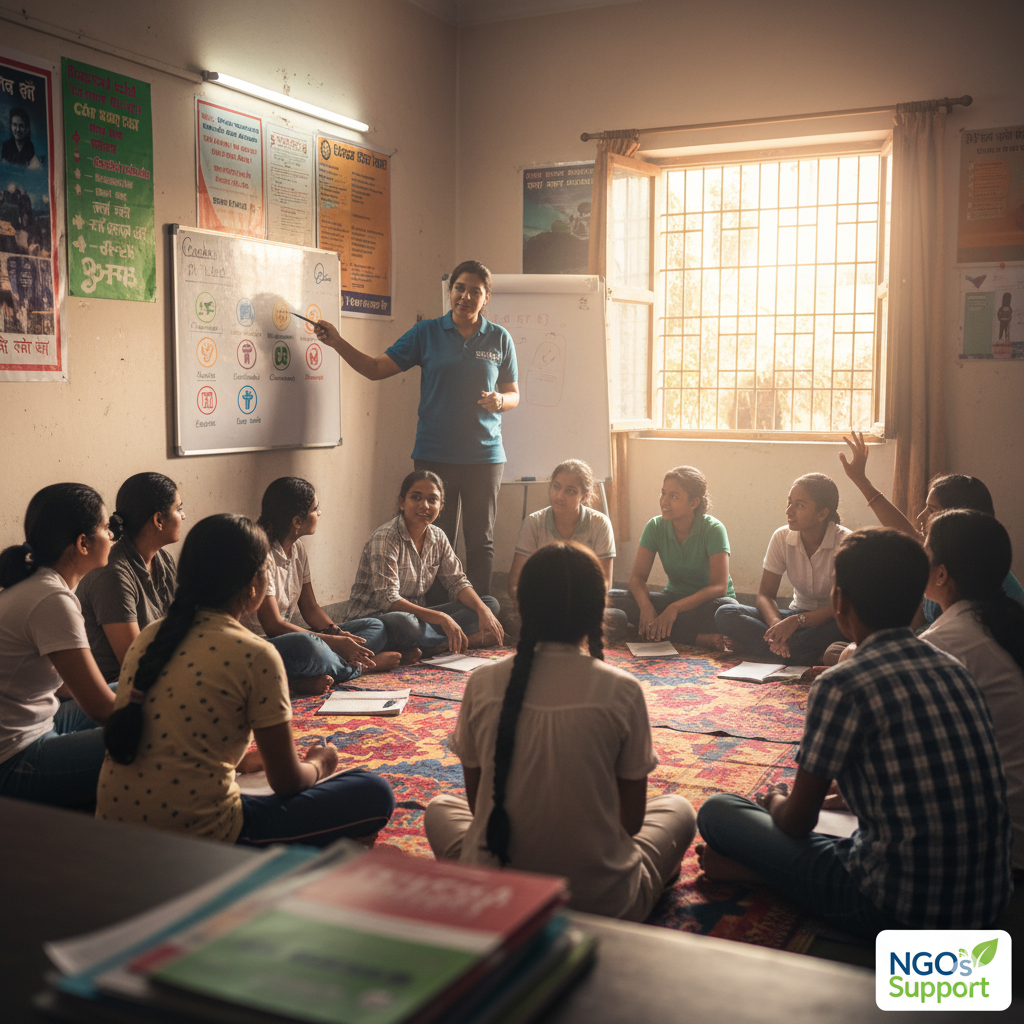
Hosting workshops and discussion groups for adolescents and families
Monitoring outcomes and iterating on evidence-based models
They extend learning beyond schools, promoting dialogue on gender, mental health, and rights within the broader community. This amplifies the reach and relevance of life skills instruction.
Real-World Impact and Inspiration
Around the world, even the UK recognizes how SEL programs lead to better academic performance, emotional regulation, and healthy relationships among youth. And in coastal Karnataka, parents are increasingly investing in life skills programs, from cooking to public speaking and entrepreneurship, illustrating a growing awareness of their value beyond academics.
Here’s How SNEHA Builds Life Skills with Youth
How SNEHA Empowers Adolescents with Essential Life Skills
As a community-driven organisation, SNEHA harnesses life skills education to support holistic adolescent development. With the vision of informed, resilient youth, SNEHA’s interventions include:
Interactive workshops on emotional well-being, communication, and self-assertion
Peer mentor networks that inspire learning and leadership among youth
Family and community engagement, creating safe spaces for values-based discussions
Continuous evaluation, ensuring the programs meet real needs and evolve accordingly
SNEHA’s grounded initiatives demonstrate how sustained NGO support can foster confident, capable adolescents in even the most vulnerable communities.
Life skills are more than soft abilities; they are the heartbeat of adolescent empowerment. When communities invest in these foundational strengths, they’re not just preparing young people for exams; they’re preparing them for life.
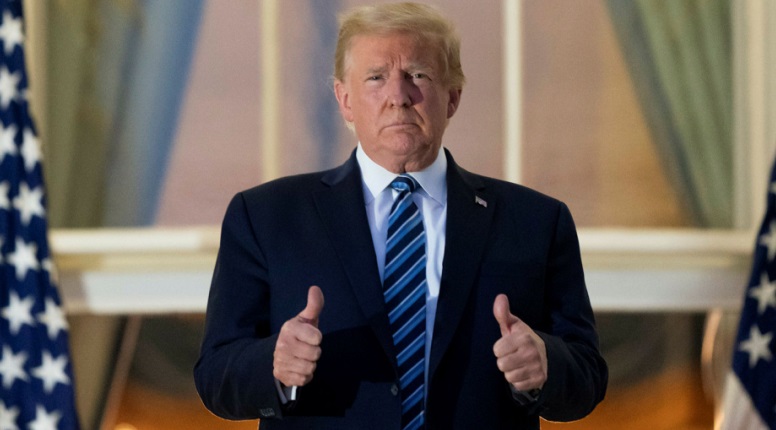
US President Donald Trump’s administration is reportedly planning to declare that several high-profile NGOs (non-governmental organizations) are anti-Semitic in a move designed at influencing other governments not to support them.Read more at: https://bit.ly/34sQiyu
Join hands to take care of the helpless people through "Cute Hearts" which is tied-up with global NGOs.
Find NGOs here you wish to donate.More: https://cutehearts.org/search-ngo