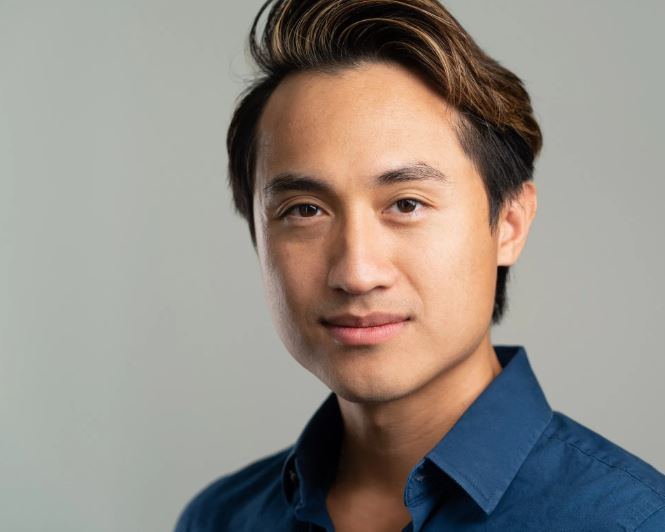
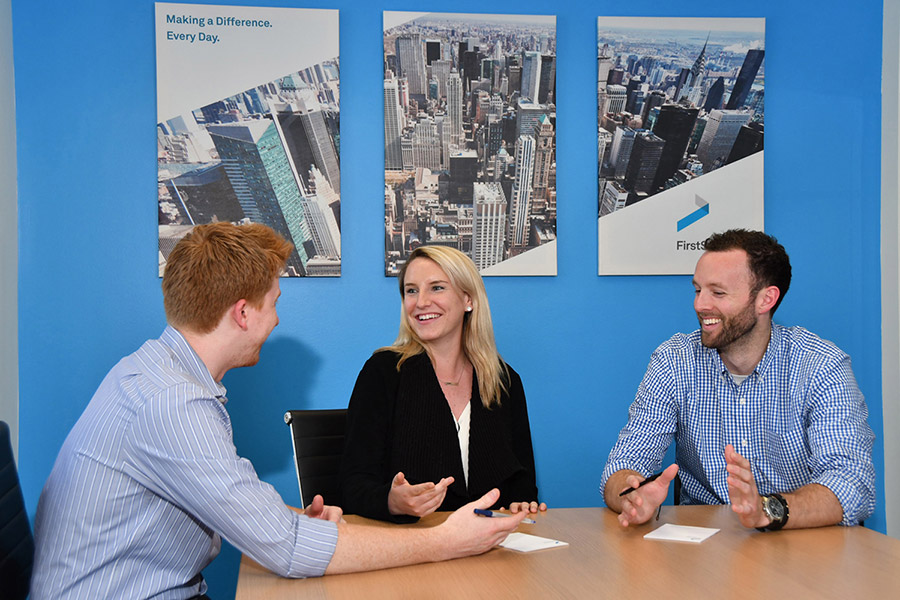
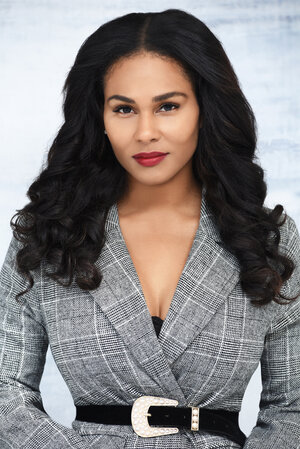
In today’s digital-first era, your headshot is more than just a picture — it’s your personal brand ambassador. Whether you’re updating your LinkedIn profile, refreshing your company bio, or preparing an actor’s portfolio, a great headshot can open doors and create lasting impressions.
But what exactly makes someone a great headshot photographer? Is it their camera gear, editing skills, or their ability to make clients feel confident in front of the lens?
Let’s uncover the qualities, techniques, and insights that separate good photographers from truly great ones.
What Makes a Headshot “Great”?
A great headshot captures far more than just your physical appearance — it communicates confidence, approachability, and authenticity. The best photographers understand that a headshot is a storytelling tool. It reflects who you are and what you represent professionally.
Great headshot photographers master this balance between technical precision and emotional connection — blending lighting, angles, and personality into a single image that feels real, not staged.
1. They Understand Lighting Like a Painter Understands Color
Lighting can make or break a headshot. Skilled photographers know how to use soft, flattering light to highlight facial features and minimize distractions.
They experiment with setups such as:
- Natural light for authenticity and warmth
- Studio strobes for sharp, professional contrast
- Reflectors and diffusers for balanced skin tones
A great headshot photographer doesn’t rely on luck — they craft light intentionally to bring out the best version of you.
2. They Focus on Expression, Not Just Composition
The difference between a good and great headshot often lies in expression.
While composition and framing matter, emotion is what creates connection.
Great photographers know how to direct their subjects — using conversation, humor, or guided posing to elicit genuine smiles, thoughtful gazes, or confident energy. They read your personality and adapt their style to match it.
3. They Know How to Make Clients Comfortable
Feeling awkward in front of a camera is normal. The best headshot photographers double as coaches and confidence builders.
They’ll:
- Break the ice with light conversation
- Guide you into natural postures
- Offer real-time feedback and encouragement
That comfort translates directly into more relaxed, expressive, and photogenic results.
4. They Customize Each Session to Fit Your Brand
A great photographer doesn’t believe in one-size-fits-all portraits. They customize each shoot based on the client’s industry, goals, and image style.
For example:
Corporate professionals may need clean, neutral backgrounds.
Actors and models often prefer natural light and emotional range.
Entrepreneurs or influencers might want creative, lifestyle-inspired headshots.
Personalization ensures the final image supports your unique professional identity.
5. Their Editing Enhances — Not Alters — Reality
Post-production is a delicate art.
Top headshot photographers use editing to polish, not transform.
They adjust lighting, color, and minor blemishes without over-smoothing skin or changing natural features. The goal: a refined yet authentic look.
Software like Adobe Lightroom and Photoshop help fine-tune tones and textures, but the real magic lies in restraint.
6. They Have Strong Communication Skills
Great communication begins before the camera turns on.
Photographers who take time to understand your needs and vision deliver results that feel personal and purposeful.
They’ll discuss:
Intended use of the photos (LinkedIn, website, press kit)
Preferred background tones and outfits
Mood and message you want to convey
This collaboration ensures every image aligns with your professional goals.
7. Their Portfolio Shows Consistency and Range
When choosing a headshot photographer, always explore their portfolio.
Look for:
Consistent quality across different lighting styles
Diversity in subjects (corporate, creative, lifestyle)
Emotion and expression in each image
A portfolio that feels cohesive yet versatile is a hallmark of an experienced professional.
8. They Prioritize Professionalism and Reliability
Great photographers respect your time, deadlines, and comfort. From clear communication and punctuality to providing high-resolution, retouched images promptly, professionalism sets true experts apart.
They handle contracts, deposits, and licensing transparently — so you know exactly what you’re getting.
9. They Keep Evolving with Trends and Technology
Photography is always changing. The best professionals stay ahead by exploring modern lighting gear, AI-powered editing tools, and creative direction trends.
For instance, the recent demand for personal branding headshots has encouraged photographers to incorporate lifestyle elements and environmental backdrops rather than just studio settings.
10. They Let Personality Shine — Yours and Theirs
The most memorable headshots capture your essence — and that requires a genuine human connection.
Great headshot photographers bring their own personality, humor, and warmth into the session, helping you relax and express yourself authentically.
When there’s chemistry between photographer and client, the images always reflect it.
FAQs
1. How do I find a great headshot photographer near me?
Search online for local professionals, read Google or Yelp reviews, and browse portfolios to find someone whose style resonates with you.
2. How much should I expect to pay for a headshot?
Professional headshots typically range between $250 and $800, depending on location, session length, and editing packages.
3. How often should I update my headshots?
Every 1–2 years or anytime your appearance or career focus changes.
4. What should I wear for a professional headshot?
Stick to solid colors and simple patterns. Avoid logos and distracting prints. The focus should stay on your face and expression.
5. Should I choose natural or studio lighting?
Both work great — studio lighting gives control and precision, while natural light feels soft and organic. The right choice depends on your brand aesthetic.