

Selecting the right hydraulic pump for a marine engine is critical for ensuring reliable operation, efficiency, and long-term performance. Hydraulic systems in marine engines power essential equipment such as steering gears, stabilizers, deck machinery, fuel injection systems, and other auxiliary equipment. A pump that does not meet operational requirements can reduce system efficiency, increase wear, or even cause equipment failure. Understanding the types of pumps, their functions, and operational requirements helps ship operators, engineers, and maintenance teams ensure smooth and safe vessel operation.
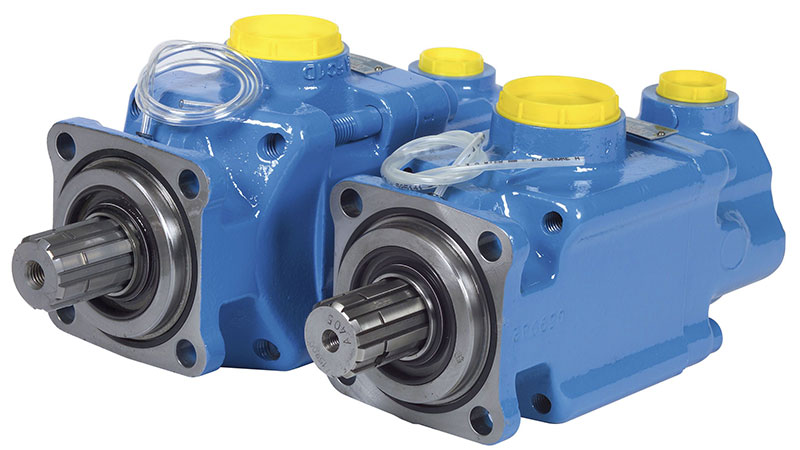
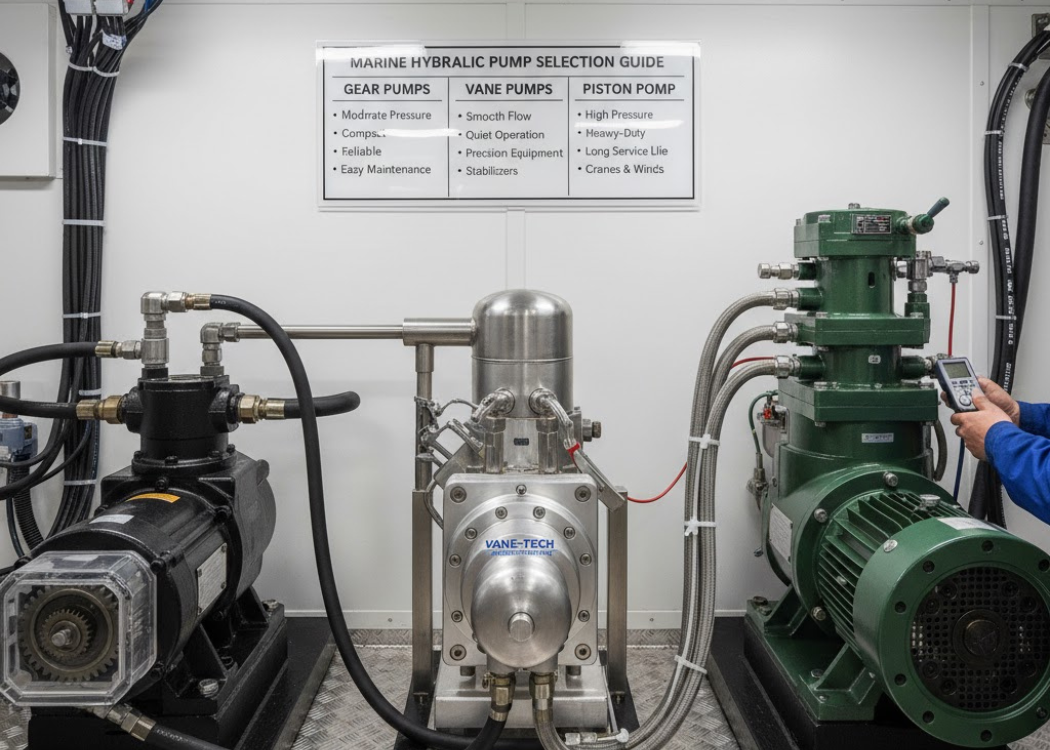
Hydraulic pumps in marine engines are generally categorized into gear pumps, vane pumps, and piston pumps, each suited for specific operational needs. Gear pumps are reliable and compact for moderate-pressure systems, vane pumps offer quiet and smooth performance for precision equipment, and piston pumps handle high-pressure, heavy-duty tasks efficiently.
Key Factors to Consider When Selecting a Marine Hydraulic Pump
Pressure Requirements
Hydraulic pumps must match the pressure requirements of the system they support. Steering gears, stabilizers, and heavy deck machinery often require high-pressure pumps to function effectively. A pump that cannot maintain the required pressure may cause slow system response, reduced efficiency, or increased mechanical strain on connected equipment. Understanding the vessel’s operating conditions and the maximum system pressure is essential to ensure that the selected pump can handle demanding loads reliably.
Flow Rate
Flow rate determines how quickly hydraulic fluid circulates through the system, directly affecting the responsiveness and efficiency of marine machinery. A pump with an inadequate flow rate can result in slow steering response, delayed operation of cranes, or inefficient fuel injection. Conversely, a flow rate that exceeds system requirements can cause excessive wear and energy loss. Carefully assessing the operational requirements and matching the pump’s flow rate to the system’s demand ensures smooth, balanced performance.
Type of Pump
Marine hydraulic systems use gear, vane, and piston pumps, each with unique characteristics. Gear pumps are compact, easy to maintain, and suitable for moderate-pressure applications. Vane pumps provide smoother flow and quieter operation, making them ideal for stabilizers and precision equipment. Piston pumps handle high-pressure and heavy-duty tasks efficiently, offering longer service life for demanding systems. Selecting the correct type ensures that the pump aligns with both the vessel’s operational demands and the intended application.
Durability and Materials
Marine pumps must withstand harsh environments, including saltwater exposure, temperature fluctuations, and continuous operation. Pumps made from corrosion-resistant materials and built to marine-grade standards offer longer service life and reduce maintenance requirements. Evaluating the pump’s construction, seals, and materials ensures reliability and prevents premature wear or damage under challenging conditions.
Maintenance and Accessibility
Routine maintenance is critical for reliable hydraulic operation. Pumps that are easily accessible allow for faster inspection, fluid replacement, and component repair. Regular checks of fluid levels, seals, and pressure help prevent unexpected failures. Selecting pumps designed for straightforward maintenance reduces downtime and ensures consistent vessel performance, especially in operational environments with limited repair facilities.
Compatibility with Existing Systems
The pump must integrate seamlessly with the vessel’s hydraulic system, including reservoirs, valves, hoses, and actuators. Proper system compatibility prevents imbalances, ensures efficient fluid circulation, and maximizes system performance. Reviewing system requirements before selection helps avoid installation issues and ensures that the pump delivers optimal efficiency.
Conclusion
Choosing the right hydraulic pump for a marine engine ensures reliable operation, safety, and efficiency across all shipboard systems. Considering pressure, flow rate, pump type, durability, maintenance, and system compatibility helps operators and engineers select pumps that perform consistently under demanding marine conditions. Gear pumps, vane pumps, and piston pumps each serve specific purposes, from moderate-pressure applications to high-pressure heavy-duty tasks, making it essential to match the pump to the vessel’s operational needs. Proper selection and care of marine hydraulic pumps extend system life, reduce downtime, and ensure vessels operate safely and efficiently in all conditions.