

Cancer research is a complex and rapidly evolving field. Identifying the right antibodies is critical to understanding cancer biology, developing therapies, and designing accurate experiments.
Polyclonal antibodies are widely used in cancer research due to their versatility and strong reactivity. This article provides guidance on how to choose the right polyclonal antibodies for cancer research, including their characteristics, applications, and selection criteria.
What are Polyclonal Antibodies?
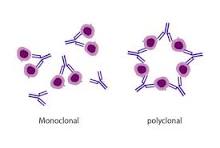
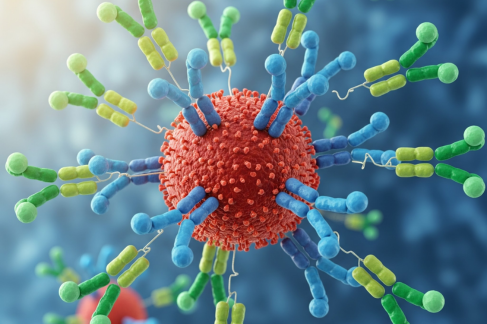
Polyclonal antibodies are a collection of immunoglobulins produced by different B-cell clones in response to an antigen. Unlike monoclonal antibodies, which recognize a single epitope on an antigen, polyclonal antibodies recognize multiple epitopes. This property allows them to bind more effectively and detect antigens in complex biological samples.
Polyclonal antibodies are often generated by immunizing animals such as rabbits, goats, or sheep with the target antigen. The resulting serum contains antibodies that can recognize multiple sites on the antigen, increasing the likelihood of successful detection even if the antigen undergoes minor modifications.
For example, CD38 Polyclonal Antibody is frequently used in cancer research to study hematological malignancies such as multiple myeloma and leukemia. It binds to various epitopes of the CD38 protein, allowing researchers to detect its expression across different cancer cells and tissues.
Importance of Polyclonal Antibodies in Cancer Research
Polyclonal antibodies play a critical role in cancer research for several reasons:
- Enhanced Sensitivity: Due to their ability to bind multiple epitopes, polyclonal antibodies often provide stronger signals in assays such as Western blot, ELISA, and immunohistochemistry.
- Versatility: They can detect both native and denatured forms of proteins, making them suitable for a wide range of experimental techniques.
- Cost-Effectiveness: Polyclonal antibodies are typically less expensive and faster to produce compared to monoclonal antibodies, making them accessible for preliminary studies.
- Robust Detection: In cases where the target protein is modified or partially degraded, polyclonal antibodies are more likely to recognize at least one epitope, reducing the chances of false negatives.
Key Factors to Consider When Choosing Polyclonal Antibodies
Choosing the right polyclonal antibody requires careful consideration of several factors to ensure reliable and reproducible results.
Specificity and Cross-Reactivity
Specificity is crucial in cancer research because off-target binding can lead to false results. Before selecting an antibody, check its validation data, including Western blot, ELISA, and immunohistochemistry results. Some polyclonal antibodies may cross-react with similar proteins, so understanding potential cross-reactivity is important.
Source and Host Species
Polyclonal antibodies can be produced in different animals. Common hosts include rabbits, goats, and sheep. The choice of host can affect the antibody’s affinity, yield, and compatibility with secondary antibodies in experimental assays. For example, rabbit polyclonal antibodies often provide high affinity and a strong signal, making them a preferred choice in cancer research.
Antigen Type and Preparation
The nature of the antigen used for immunization impacts the antibody’s performance. Polyclonal antibodies can be raised against synthetic peptides, recombinant proteins, or native proteins. Researchers must ensure that the antigen is representative of the protein’s structure in cancer cells to achieve accurate detection.
Validation and Application
Antibodies should be validated for the intended application. Some polyclonal antibodies may work well for Western blot but not for immunohistochemistry. So, when you have to buy polyclonal antibodies, always check the datasheet and published literature to confirm that the antibody has been successfully used in cancer research applications similar to yours.
Purification and Formulation
Purified antibodies are often preferred for sensitive experiments, as they reduce background noise caused by other serum proteins. Common purification methods include protein A/G affinity chromatography and antigen-specific affinity purification. Additionally, consider the antibody’s formulation, such as lyophilized powder or liquid solution, for long-term storage and experimental convenience.
Applications of Polyclonal Antibodies in Cancer Research
Polyclonal antibodies are versatile tools in cancer research, with applications that include:
- Western Blotting: Detecting specific cancer-associated proteins and evaluating their expression levels.
- Immunohistochemistry (IHC): Visualizing protein localization in tumor tissue sections.
- Enzyme-Linked Immunosorbent Assay (ELISA): Quantifying protein concentrations in serum or cell lysates.
- Flow Cytometry: Analyzing surface or intracellular markers on cancer cells.
- Immunoprecipitation: Isolating and studying protein complexes involved in cancer pathways.
By choosing a polyclonal antibody that is validated for these applications, researchers can obtain robust and reproducible results that advance cancer research.
Tips for Optimizing Antibody Use in Experiments
To maximize the effectiveness of polyclonal antibodies in cancer research:
- Titrate Antibodies: Determine the optimal concentration to minimize background while ensuring strong signal.
- Use Proper Controls: Include negative and positive controls to validate specificity.
- Store Properly: Follow manufacturer recommendations for storage temperature and buffer conditions to maintain antibody stability.
- Consider Batch Variability: Since polyclonal antibodies are derived from animals, batch-to-batch variation may occur. Validate each new batch before critical experiments.
Conclusion
Polyclonal antibodies are indispensable tools in cancer research due to their ability to recognize multiple epitopes, provide strong detection signals, and work across various applications. Choosing the right antibody requires careful attention to specificity, host species, antigen type, validation, and purification.
Using polyclonal antibodies, researchers can design experiments that reliably detect cancer-associated proteins and facilitate discoveries in cancer biology and therapeutics. By following best practices for selection and optimization, polyclonal antibodies can significantly enhance the quality and accuracy of cancer research outcomes.
If you are wondering where to buy polyclonal antibodies, you can rely on AAA Biotech. For more information, visit the site.