

Filter bags and cages are very important in industrial dust collection systems because they help in keeping the air clean and ensuring effective operations. Nonetheless, the most resilient systems may experience performance-impacting problems. It is important to know the issues that are likely to occur with Filter Bag Cages, and how to overcome them to keep your filtration system running and prevent expensive downtime.
Torn or Damaged Filter Bags
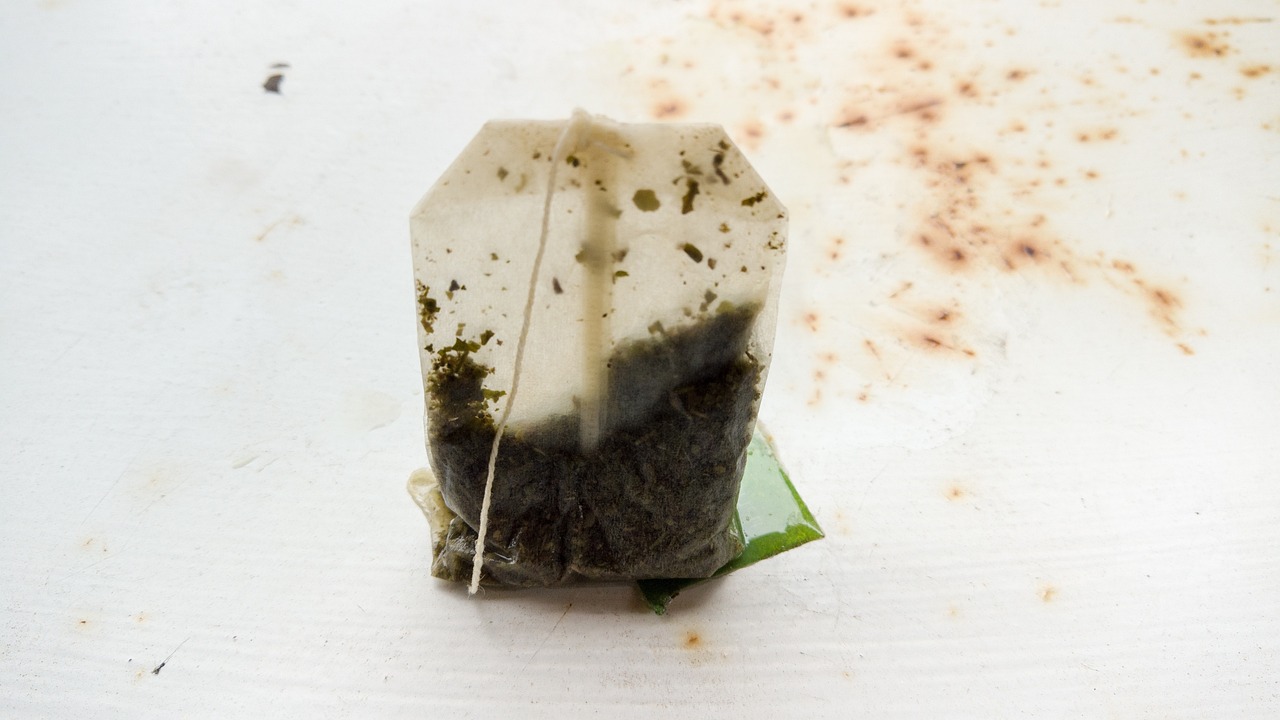
The most common problem with dust collection systems is tearing or battering of filter bags. Tears may develop as a result of overpressure, inadequate fitting or when subjected to sharp materials. Once a bag is damaged, the dust will bypass the filter system and pollute the air and decrease the overall system efficiency.
How to Solve It:
Regular inspection is key. Look to see if there are tears, frayed seams, or weak seams. Replacing damaged filter bags immediately prevents further contamination and ensures consistent airflow. Wear and tear can also be minimized by using the best materials that would be used in your system, depending on the temperature and chemical parameters.
Failed or Busted Filter Bag Cages
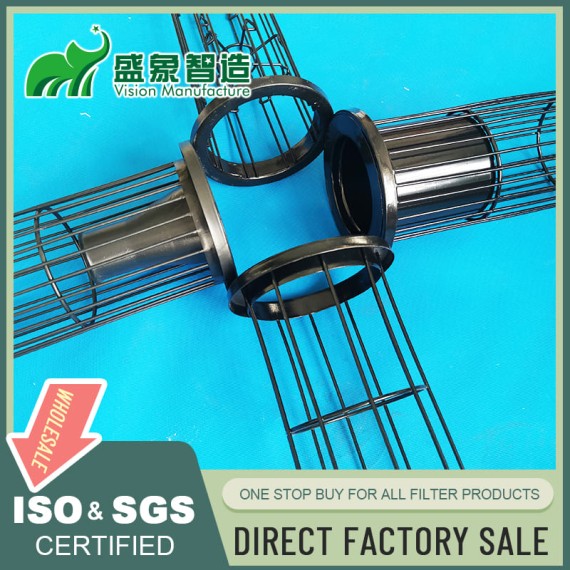
Filter bag cages provide structural support for the bags, keeping them upright and allowing optimal air filtration. Cages can either bend, collapse or lose their shape over time as a result of too much pressure, corrosion or improper handling. The presence of a deformed cage causes collapsed bags, which decrease the surface area to aid in filtration and the chances of failure of the system.
How to Solve It:
Look at the shape of cages, whether they are deformed. Use cages that are made of hardened materials like stainless steel or carbon steel and have some sort of protection coating. Installing and maintaining the cages properly would preserve the integrity of the cages. In case a cage is damaged, ensure that you change it as soon as possible to avoid spoiling the respective filter bag.
Poor Cleaning Mechanisms
Some dust collection systems have cleaning mechanisms that are either too weak or improperly timed, causing dust to accumulate on filter bags. Poor cleaning causes low air permeability, increased pressure drops, and stress on filter bags as well as cages.
How to Solve It:
Test the cleaning system regularly, be it pulse-jet, reverse air or shaking type. Customize frequency and power to suit the dust load of your plant. Well-operated cleaning systems will last longer in terms of filter bags and cages, and will have a steady filtration performance.
Conclusion
It is important to understand the typical issues related to filter bags and cages manufactured by top companies like Vision Filter Manufacture to carry out industrial activities that depend on efficient dust collection. Most of the problems can be avoided by regular inspections, appropriate installation, regular maintenance, and the utilization of quality materials. Through preventive actions, you will be able to keep your systems operating efficiently, minimize downtime and increase the life of your filtration equipment.