Miami often brings images of neon lights, art deco, beaches, parties. But there’s another Miami: raw, green, dripping with life — one that many skip. In this article, I’ll lead you into that hidden world, the wild side, where the city’s edge blends into wilderness, and secrets wait for you just beyond the high rises.
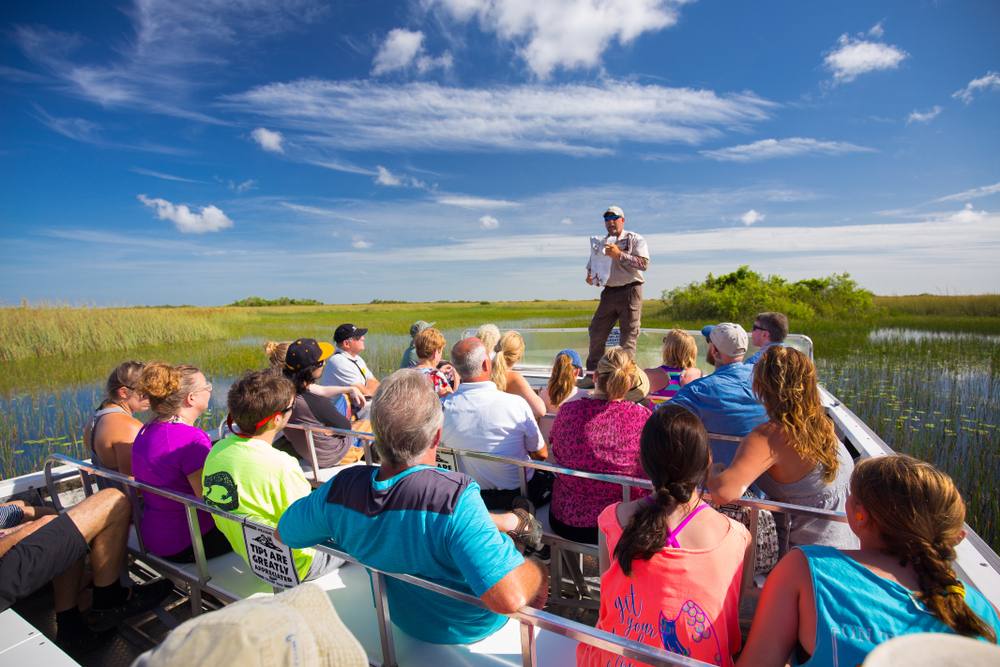
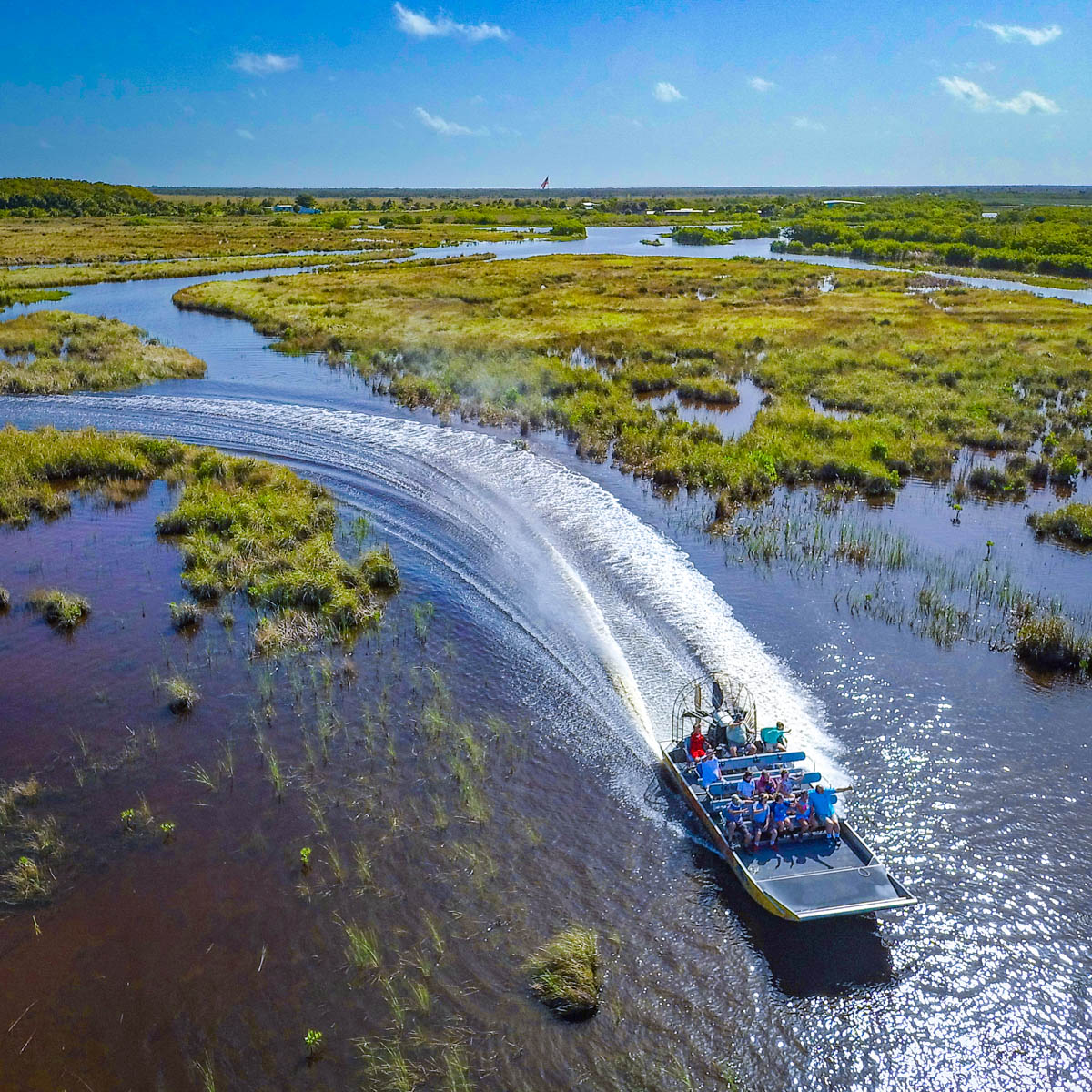
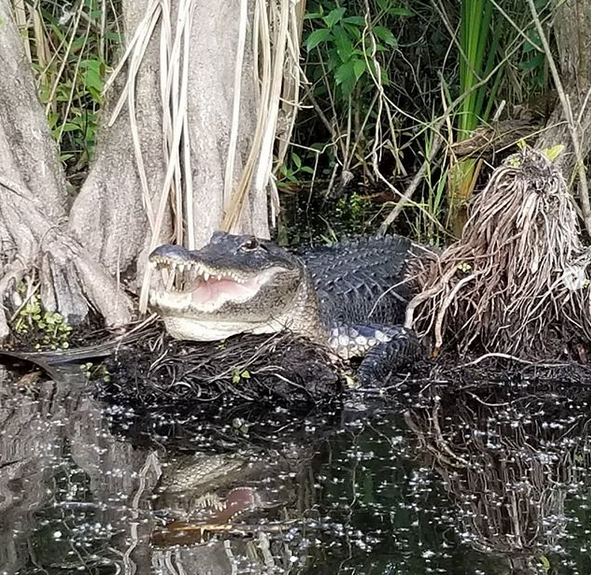
Just outside the bustle lies the vast Everglades — a living maze of marshes, mangroves, canals, and hidden trails. On Everglades Tour in Miami you glide above the “River of Grass,” watching alligators, turtles, wading birds, and whispers of history as your guide breaks the silence. That excursion alone can shift how you see Miami forever.
But the wild side doesn’t hide only in the Everglades. In the city’s margins — coastal mangroves, barrier islands, forgotten trails — life pulses in quiet corners. Let me show you where, how, and why you should step off the beaten path.
Why Miami’s Wild Side Exists (And How It Survives)
Miami’s urban glow overshadows one of America’s rare subtropical wilderness areas. The Everglades National Park spans over 1.5 million acres.
It is the largest tropical wilderness east of the Mississippi.
Because this land was never fully tamed, its complex ecosystems continue in parallel with city life. You find:
- Mangroves and coastal wetlands along Biscayne Bay
- Sawgrass prairies and marshes deep in the Everglades
- Wild corridors where wildlife slips between developed zones
These pockets survive through conservation, protected designations, and the work of park services. Everglades National Park is a World Heritage Site, a Ramsar wetland of global importance, and a biosphere reserve.
Still, the balance is fragile. Water diversion, pollution, development pressure, invasive species all threaten these ecosystems.
So when you step into these wild places, you’re visiting a frontier — one that needs witnesses, not just passersby.
The Everglades: More Than Just Alligators
Yes, alligators are the headline. But the Everglades offers far more.
Wildlife you’ll likely see
Your captain might point out:
- American alligators and sometimes crocodiles
- Wading birds: herons, egrets, ibis
- Turtles, snakes, fishes
- Rare creatures: manatees, otters, even the elusive Florida panther (though very rarely)
- Insects, small mammals, and the pulses of unseen life
Trails, boardwalks & vantage points
You don’t have to remain on the boat. The park has walks like:
- Anhinga Trail (0.4 miles) — boardwalk over a freshwater marsh, great for close wildlife views.
- Shark Valley Loop & tram tours — a 15-mile paved loop with tram or bikes.
- Guided nature walks in marsh and mangrove zones led by park rangers.
By combining boat and land, you tease apart layers of the ecosystem — water, marsh, edge, forest.
Insight, not just spectacle
During a narrated tour you’ll hear about:
How water flows through the “River of Grass”
How plants adapt to flooding and dryness
Stories of the Seminole, Miccosukee, and earlier inhabitants
Conservation challenges and restoration efforts
That depth matters: you leave with understanding, not just images.
Hidden Nature Escapes Inside Greater Miami
The wild side isn’t only in the Everglades. Here are nature pockets to slip into inside or just outside city limits.
Raccoon (Sandspur) Island
Accessible via boat tours, this tiny island (also called Sandspur Island) is home to a raccoon colony that approaches visitors curiously.
Tours combine mangrove cruising, birdwatching, and a dose of playful wonder as you step ashore and see raccoons in daylight.
Guided Tours & Boat Rental Miami
It’s one of those quiet spots where you remember nature is closer than you think.
Guided ATV & off-road nature tours
Beyond water, you can explore:
Trails through woodlands and muddy paths on an ATV tour.
Hidden forest edges and scrub zones rarely touched by tourists
These tours frame Miami’s wild margin, where human and wild coexist in uneasy closeness.
Offbeat preserves & trails
Bear Cut Preserve (Key Biscayne): A less known trail where mangroves and sandbars meet.
Miccosukee Tribal Village: Blends cultural and natural tours deep in the Everglades, often including swamp paths and alligator shows.
When you break free from the marina and skyscraper glare, these spots show nature’s will to persist.
How to Pick the Right Wild Experience
Not every nature tour is equal. Let me walk you through what matters, so you don’t hit regrets.
Ask about duration & access
Some airboat tours take 30–45 minutes; others go longer with more remote stretches.
A half-day slot gives you time to walk or ride trails.
Know how far from Miami the launch is: a good tour will include transportation or a clear meeting point.
Guides, narration & education
An experienced guide shifts the experience from superficial to meaningful. Ask:
Do they teach about ecosystems, not just point out animals?
Are they licensed and local? (In some tours guides are Coast Guard-licensed)
Miami On The Water
Do they engage about threats, restoration, and history?
Wildlife guarantee & season
The dry season (roughly December to April) concentrates animals around water, making sightings easier.
Tours seldom “guarantee” specific species, but many offer rich sightings.
Smaller tours (less packed) usually yield better encounters — animals feel less disturbed.
Eco ethics & conservation support
Pick a tour that:
Follows “leave no trace” or minimal impact
Contributes back to park or wildlife funds
Does not stress wildlife or overuse the same areas
You don’t want to be part of the problem.
Sample Tour Itinerary & Tips
Here’s a rough schedule you might follow when diving into Miami’s wild side:
Time Activity
Early morning Depart from Miami toward Everglades or mangrove launch site
Drive or meet-up Transit through Tamiami Trail or coastal route
Airboat / boat ride Glide through marshes, canals, mangroves
Wildlife show or walk Visit an alligator exhibit or walk trail (if included)
Lunch / rest At a ranger station or picnic area
Optional trail or tram If park allows, hike or ride further
Return Head back to Miami before evening
Tips:
Start early to beat heat, crowds, and afternoon storms.
Wear light clothes, water shoes, sunblock, hat.
Bring insect repellent.
Use polarized sunglasses — they help spot wildlife under water.
Carry binoculars and a zoom lens.
Stay hydrated and pace yourself.
What You’ll Feel, See & Learn
Setting off into the wild side shifts your mind. You might:
Hear silence that’s full: wind in grasses, ripples, distant calls
Sense tension at the edges: predator/prey, water level shifts
See that civilization is just a border, not an impenetrable barrier
You’ll collect stories:
How water moves like a soft wave through grass
How life adapts to floods and droughts
The hidden work to protect these lands
And you’ll view Miami not as a party city but as a doorway into deeper nature.
Precautions & Respectful Behavior
Wild places demand respect. Don’t forget:
- Stay on paths and in boats — don’t wander off unaccompanied
- Do not feed, touch, or harass wildlife
- Dispose of trash responsibly
- Obey guide instructions
- Turn off or silence devices — let soundscapes speak to you
These rules protect both you and the ecosystem.
Final Thoughts
Most travelers arrive in Miami for beaches, nightlife, shopping. But the truly unforgettable Miami shows up when you slow down and let wilderness in.
You may feel a door sliding open, revealing layers beneath the shine. You’ll return aware: city and swamp live side by side, nature persists even where glass towers reflect sky. That’s the wild side.