Electric scooters have emerged as a popular alternative to traditional modes of transportation, especially in urban areas. As cities face growing concerns about air pollution, traffic congestion, and sustainability, electric scooters present a solution that is both eco-friendly and efficient. In this blog, we will explore the environmental impact of electric scooters, focusing on their role in reducing carbon emissions, promoting cleaner air, and helping cities move toward more sustainable transportation solutions.
Reducing Carbon Emissions
One of the most significant benefits of electric scooters is their ability to reduce carbon emissions. Traditional vehicles, including cars and motorcycles, are major contributors to air pollution. They release harmful gases like carbon dioxide (CO2), nitrogen oxides (NOx), and particulate matter (PM) into the atmosphere, all of which contribute to climate change and pose serious health risks.
Electric scooters, on the other hand, are powered by electricity rather than fossil fuels. They do not produce any tailpipe emissions, making them a much cleaner mode of transportation. When you ride an electric scooter instead of driving a car, you are significantly lowering your carbon footprint. In fact, studies have shown that electric scooters emit up to 50% less CO2 compared to traditional gasoline-powered vehicles over their lifespan.
The environmental impact of electric scooters is even more positive when the electricity used to charge them comes from renewable sources like solar or wind power. Many cities are actively working to increase the proportion of clean energy in their grids, further reducing the carbon footprint of electric scooters.
Decreasing Traffic Congestion and Fuel Consumption
Another key environmental benefit of electric scooters is their potential to reduce traffic congestion. In busy urban areas, traffic jams are not only a nuisance but also a major contributor to air pollution. Idling cars consume fuel inefficiently and release unnecessary emissions into the atmosphere.
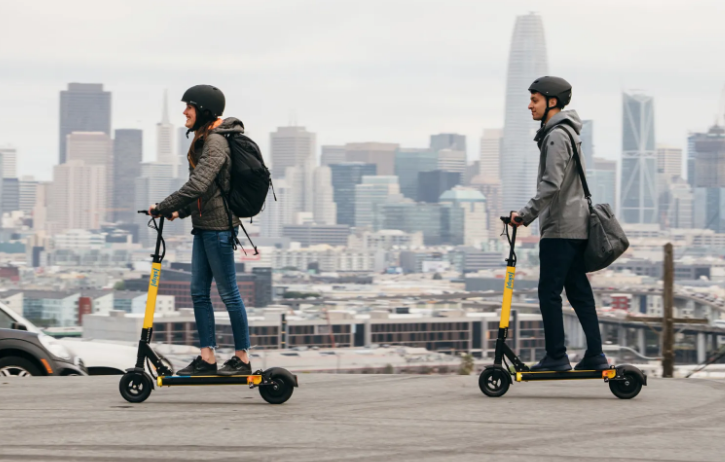
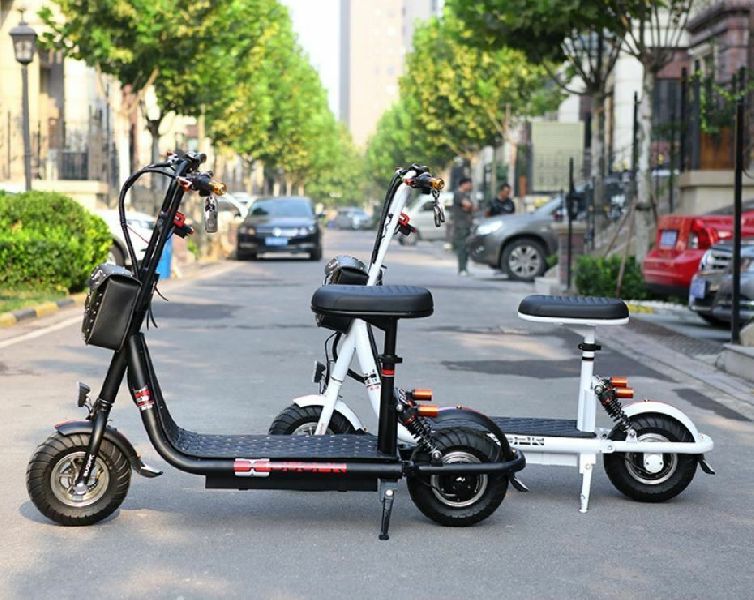
Electric scooters help alleviate this problem by offering a more efficient way to navigate crowded streets. They take up less space on the road and can manoeuvre through traffic much more easily than cars. In fact, many electric scooters are designed to be compact and foldable, making them perfect for short commutes, last-mile trips, or for integrating into a larger public transportation network.
By reducing the number of cars on the road, electric scooters can lower fuel consumption in cities. As a result, less gasoline is needed, leading to a decrease in overall fossil fuel demand. This reduction in fuel consumption helps decrease the environmental impact of transportation, particularly in regions where transportation is one of the largest sources of greenhouse gas emissions.
Lowering Noise Pollution
In addition to reducing air pollution, electric scooters, even the dual motor electric scooter, are also much quieter than traditional gas-powered vehicles. This reduction in noise pollution is another benefit for both the environment and urban dwellers. Cities are often plagued by the constant hum of traffic, which can contribute to stress and disrupt daily life.
Electric scooters operate with near-silent motors, making them an ideal choice for those who wish to reduce noise pollution in their communities. By replacing loud motorcycles and cars with quiet, efficient electric scooters, cities can experience a more peaceful environment, which can improve the quality of life for residents.
Supporting a Shift Toward Sustainable Urban Mobility
Electric scooters play a vital role in the transition to sustainable urban mobility. As cities strive to reduce their carbon footprints and embrace greener technologies, electric scooters represent a shift toward more sustainable transportation options. In addition to offering an eco-friendly alternative to driving, they also encourage a more active lifestyle. Many riders combine electric scooters with walking or public transport, leading to a more holistic approach to sustainable transportation.
Some brands even provide foldable scooter with the necessary electric scooter parts, which make it easier for people to carry electric scooters when taking last-mile trips. This method help reduce the number of fuel vehicles on the road, further decreasing traffic congestion and emissions. In this way, electric scooters can be an integral part of a broader vision for sustainable urban living.
Conclusion
Electric scooters offer a wide range of environmental benefits that make them an attractive option for eco-conscious commuters. By reducing carbon emissions, alleviating traffic congestion, lowering fuel consumption, and minimizing noise pollution, they are playing a crucial role in making urban transportation more sustainable. As cities continue to explore ways to reduce their environmental impact, electric scooters will likely remain a key player in the quest for cleaner, greener urban mobility.
By choosing to ride an electric scooter instead of driving, you can be part of the solution and contribute to a healthier, more sustainable planet.