


In the entertainment industry, first impressions can make or break your career. Producers, readers, and executives receive hundreds of scripts every month, and many don’t make it past the first few pages. While a gripping story is essential, presentation often determines whether your work even gets read. A clean, polished script signals professionalism it shows that you understand the language of screenwriting and respect your reader’s time.
First Impressions Matter: Why Presentation Counts
Producers form an opinion about your script almost immediately. They can tell within seconds whether it adheres to industry norms or not. A script that’s well-organized, properly formatted, and visually appealing reflects discipline and dedication. On the other hand, sloppy layouts, inconsistent spacing, or confusing scene headings can suggest inexperience. This is where mastering screenplay formatting tips becomes vital it’s the foundation of your script’s visual storytelling. A polished layout helps readers focus on your characters and dialogue instead of being distracted by structural flaws.
When producers encounter a well-formatted script, it tells them you understand the professional standard and are ready to collaborate on a serious level. Presentation doesn’t just make your story easier to follow it also gives your words authority.
The Basics of Professional Script Appearance
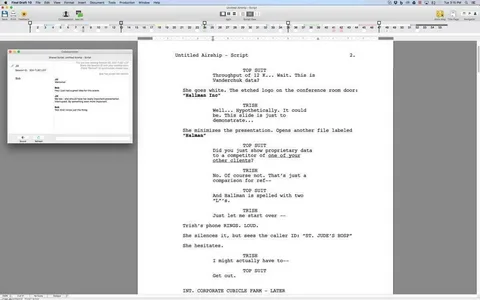
The hallmark of a professional screenplay lies in its technical consistency. Use the standard font Courier 12-point since it mirrors real-time pacing on screen (one page equals roughly one minute of screen time). Margins should be uniform, and dialogue should be centered to maintain balance and readability. Consistency in formatting isn’t just about aesthetics; it’s about communicating clarity. When each element action, dialogue, and transitions follows the same structure, your story flows seamlessly from page to page.
Producers appreciate writers who understand these nuances because it shows respect for the production process. Scripts that adhere to expected standards require less adjustment later, which can speed up development. Small details like properly capitalized character introductions and correctly labeled slug lines help maintain a sense of rhythm and professionalism.
Avoiding Common Mistakes That Turn Producers Off
Even skilled writers can lose credibility through simple formatting errors. Common mistakes include inconsistent scene headings, excessive camera directions, or dialogue that stretches too wide across the page. These issues make the script harder to read and disrupt pacing. Another frequent pitfall is overwriting descriptions visual clutter can make your pages look dense and intimidating.
The best scripts feel light and easy to navigate. White space is your friend. It keeps readers engaged and gives the story breathing room. Imagine your script as a visual experience; every page should invite the reader forward, not overwhelm them. A tidy script layout shows that you know how to balance creativity with structure.
The Role of Readability in Keeping Producers Engaged
Readability is more than grammar it’s rhythm. A visually clear script allows producers to “see” the movie in their heads. When action lines are concise and dialogue blocks flow naturally, readers can imagine each moment unfolding onscreen. Readability ensures that nothing distracts from your story’s emotional beats.
In the middle of refining your script, it’s worth revisiting some essential screenplay formatting tips to ensure everything aligns perfectly. For instance, avoid inconsistent line spacing or switching between tenses. The cleaner the read, the stronger your story will resonate. Producers value efficiency if they can visualize your scenes effortlessly, they’re more likely to stay hooked.
Using Feedback and Editing to Refine Your Script
Even seasoned writers rely on feedback to elevate their work. After completing your draft, take time to review it with fresh eyes or share it with trusted peers. They might catch small formatting or pacing issues you’ve overlooked. Consider using screenplay editing services for a professional assessment they can help fine-tune both your story and presentation.
Revisions aren’t just about fixing typos; they’re about sharpening your voice and perfecting the reading experience. Each pass should make your script cleaner, tighter, and more confident. Remember, the goal is not just to tell a great story it’s to ensure it reads like one too.
Final Touches Before Submission
Before submitting your script, run through a checklist:
Proofread thoroughly for spelling, grammar, and consistency.
Ensure all scene headings are formatted correctly.
Save your final version as a PDF to preserve formatting across devices.
Double-check your title page for accuracy include your name and contact details clearly.
It’s also wise to give your script one last read after a short break. A fresh perspective often reveals minor inconsistencies that slipped through earlier revisions. Attention to detail during this stage demonstrates commitment and respect for your craft.
Conclusion
A clean and polished script doesn’t just showcase your writing it shows your professionalism. Producers appreciate writers who take the time to present their work properly because it signals readiness for collaboration and production. When you treat formatting as part of your storytelling discipline, you elevate your chances of making a strong impression.
In a world full of talented storytellers, the smallest details can set you apart. Let your story shine present it with precision, confidence, and care. That’s how you get noticed by the right people.



Many things go hand-in-hand with your Monday mornings: your favorite coffee, two french toasts, your favorite 8:30 bus, and Microsoft Word.
Lately, other programs have shifted writers’ attention, but Word remains the sole pillar that has been tested again & again in standard office settings.In short, Word is a simple yet compelling text processing software —regardless of how many other text-based programs exist in the market.Even if you consider yourself a master of Word, there are some tips & tricks you can learn to become more efficient in your office.
In regards to that, here are six cool Microsoft Word hacks that will save your time and simplify your writing process.Using a templateUsually, Word templates are overlooked because we tend to follow a specific pattern for writing documents, like writing a blog requires the regular titles, paragraphs, headlines, and finally, the conclusion.
However, perusing Word’s existing word templates can be the game-changer here.From brochures, resume to college newsletter, you can create anything with Word.
Every time you make that report, you have to start from scratch and add those edits repeatedly.Here’s the good news!
You can stop doing that to your text and use the “Quick Styles” features to save all the formatting in a single place.Now, let’s take an example where an office worker makes a report every week.