




If you have an Ipe deck, you know that you never have to worry about pests, rot, or weather damage the way you would with softer woods. But because even the toughest materials have their quirks, Ipe isn’t completely problem-free. Here are five of the biggest Ipe wood problems to watch out for — including the common “graying” problem — and how to manage them.
“The boards are turning into different colors.”
Ipe’s natural color ranges from light olive browns to rich chocolate tones, often with cathedral arches, interlocked grain, and occasional dark streaks. This variation can become more pronounced as boards weather unevenly due to sun and moisture exposure. Regular cleaning and applying a UV-protective finish can help the colors blend more naturally to even out the look.
“The color is starting to turn gray”
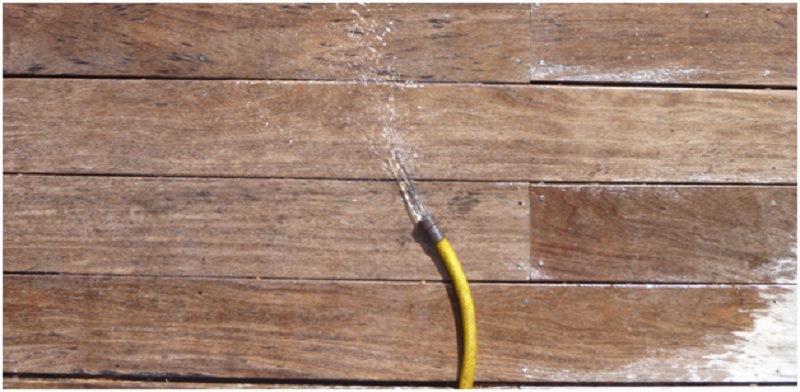
This actually isn’t an Ipe wood problem — it’s a natural occurrence. The sun’s UV rays will make your Ipe deck silvery-gray over time. There’s no need to worry because this weathering process doesn't harm the wood's structural integrity or longevity. But if you want to keep the original color, apply a wood finish with good UV protection. Some finishes last about 1 to 2 years, though how often you’ll need to reapply depends on your local climate and how much sun your deck gets.
“The boards are warping”
Warping happens when deck boards twist, cup, or bend out of shape. This usually occurs when airflow is limited during or after installation, causing moisture to collect unevenly and the wood to move. To reduce the risk, be sure to buy your Ipe decking from a trusted supplier that stocks premium-grade boards.
“I noticed cracks around the screws”
This typically occurs when screws are set too near the ends of Ipe boards without first drilling pilot holes. The dense grain doesn’t allow much give, so the wood can split. To prevent this, always pre-drill holes before screwing near the edges and use stainless steel or coated screws designed for hardwood.
“I’m seeing cracks in the boards”
Cracking is one of the more serious Ipe wood problems and usually starts at the ends. Without proper end-grain protection, small cracks let water in. The water can freeze and expand in colder months, causing the cracks to grow and sometimes run the full length of the board. To prevent this, make sure the ends of each board are properly sealed during installation and maintained regularly.
For premium Ipe decking and expert advice on installation, ABS Wood provides carefully hand-selected boards and guidance to help homeowners avoid common issues. Visit their website at www.abswood.com.
About the Author:
Bruce Master serves as the general manager at Advanced Building Supplies, a company specializing in a comprehensive range of Brazilian Hardwood products, which include Ipe, Garapa, Cumaru, and Tigerwood. Exotic Woods is a natural outgrowth for Bruce as he comes from a long line of woodworkers. Both his grandfather and father were highly regarded craftsmen and cabinet makers. In addition to his managerial role at ABS, Bruce is actively involved in designing, planning, and installing decks. Prior to his tenure at ABS, Bruce gained valuable experience as a generalist at a prominent Ace Hardware store in Miami, Florida, where he catered to an exclusive clientele of contractors primarily working on Miami Beach.
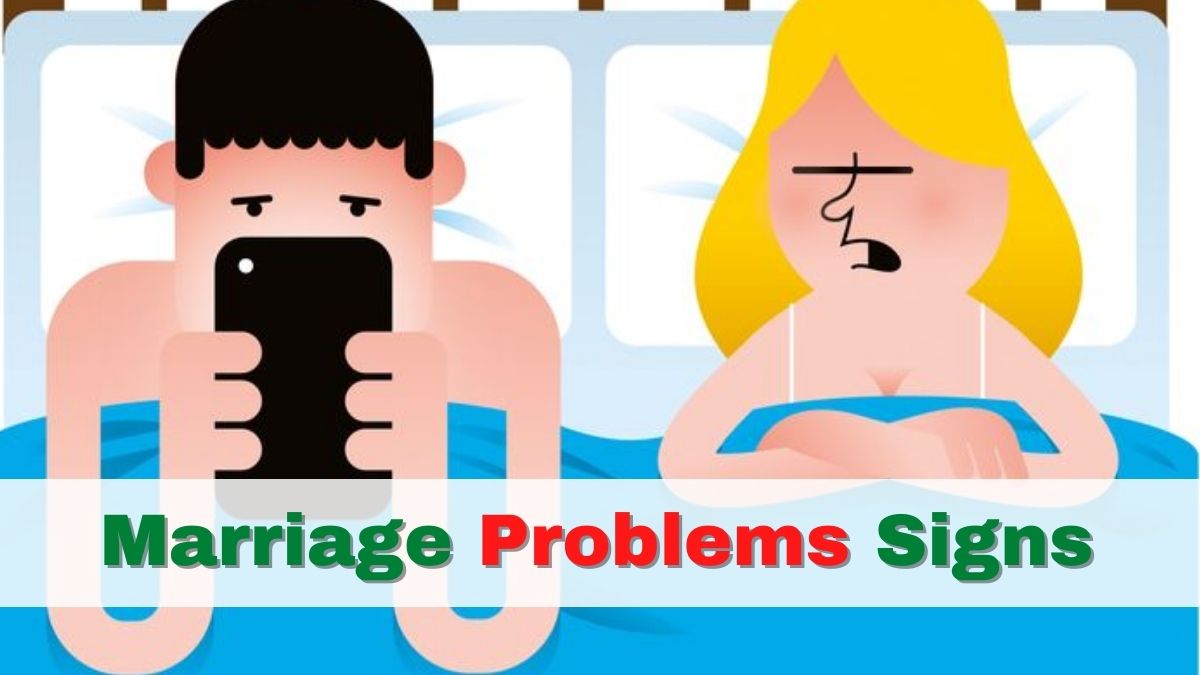
Read Here are 5 signs your marriage is in trouble and Also Learn How to Deal With the Problem and how to solve them.
Another cause you could be having trouble communicating is that you’re not completely addressed a heartbreaking event in your connection.
Maybe there was a breach of trust or somebody said anything that is not corrected properly.If you need any type of help and Guidance Talk to our specialist guru jiCall and WhatsApp me without any hesitationphone number +91 8875270809Whatsapp now for A free consultation( निशुल्क परामर्श के लिए अभी #Whatsapp करें ) Website : https://www.vashikaranorblackmagicspecialist.com/

Find out top 5 reasons why crowdfunding is the best way when launching a new product into the marketplace.
Click here to know more about us!