

In today’s evolving healthcare environment, clinics face growing security challenges—from workplace violence and theft to privacy breaches and medical emergencies. Unlike large hospitals, many clinics operate with smaller staff and limited infrastructure, making them more vulnerable to disruptions. This is where trained medical security guards prove invaluable. By offering both physical protection and emotional reassurance, they play a crucial role in keeping healthcare facilities safe, professional, and operational.
Hiring security personnel isn’t just about managing risks—it’s about building a trusted, secure environment for patients, staff, and visitors. Trained medical security guard service bring expertise in both healthcare-specific safety protocols and general security practices. Their presence helps clinics remain compliant, prepared for emergencies, and equipped to handle sensitive situations. This blog explores the many benefits that trained security guards bring to clinics and why they are increasingly becoming a standard part of modern healthcare operations.
Enhancing Patient Trust and Comfort
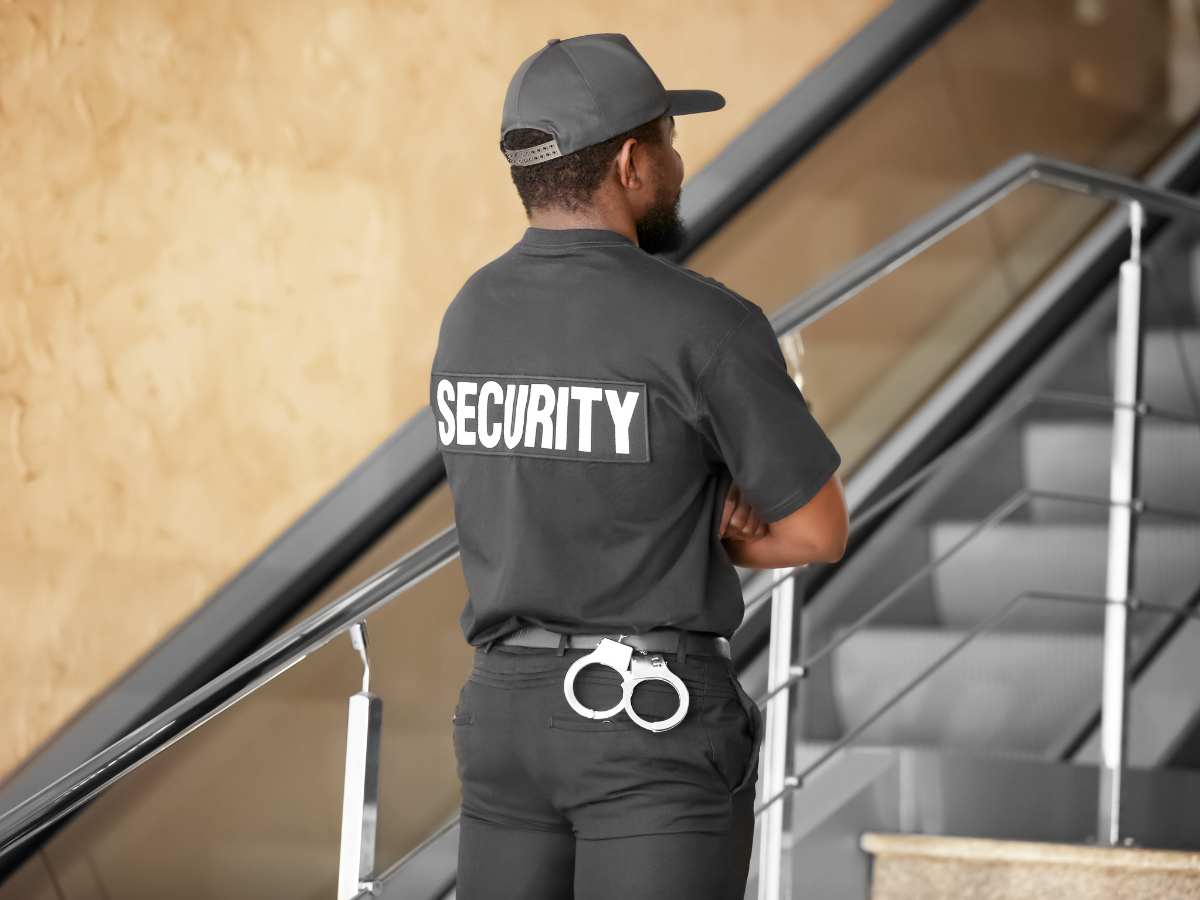
Patients entering a clinic are often anxious, vulnerable, or in distress. A trained security guard at the entrance offers a strong, reassuring presence. Their calm demeanor, professional appearance, and friendly approach contribute to an atmosphere of safety. Patients feel protected knowing that someone is watching over the facility and can intervene quickly if any situation arises.
Trust plays a vital role in the patient experience. A visible, approachable security officer reinforces a patient’s confidence in the clinic’s ability to provide not only medical care but also a secure environment. This is especially important in urban areas or clinics that operate during late hours. When patients trust their surroundings, they are more likely to return for follow-ups, comply with treatments, and recommend the clinic to others, helping build a strong reputation in the community.
Handling Aggressive Behavior and De-escalation
Unfortunately, incidents of aggressive or disruptive behavior in clinics have become increasingly common. These situations may stem from mental health crises, long wait times, or patients under the influence of substances. Trained medical security guards are equipped with de-escalation techniques designed to defuse conflicts before they turn violent. Their presence alone often serves as a deterrent to aggressive behavior.
When intervention is required, guards are trained to act with restraint and professionalism. They know how to manage confrontation without escalating the situation further, ensuring that medical staff can continue their duties safely. By creating a protective buffer between volatile individuals and healthcare professionals, security guards help prevent harm and maintain order within the facility. Their ability to handle such incidents tactfully minimizes disruption and safeguards the clinic’s professional atmosphere.
Protecting Staff from Workplace Violence
Healthcare workers are at a higher risk of workplace violence than most other professions. Nurses, doctors, and front-desk staff often deal with stressed or emotionally charged individuals. In a small clinical setting, a violent incident can quickly escalate and jeopardize the safety of everyone present. Trained security guards serve as a vital layer of protection for staff, helping prevent and manage potentially dangerous interactions.
Security guards not only intervene during physical altercations but also monitor early warning signs. Their situational awareness enables them to spot suspicious behavior and respond proactively. Additionally, their ability to coordinate with law enforcement and emergency services ensures swift action when needed. Clinics that prioritize the safety of their staff experience higher morale, lower turnover rates, and fewer legal risks. Employees who feel safe are more productive and more likely to deliver compassionate care to patients.
Managing Access Control and Sensitive Areas
Clinics often house valuable equipment, confidential patient records, and medication storage areas. It is essential to control who can enter certain parts of the facility. Trained medical security guards monitor entry and exit points, verify credentials, and ensure only authorized individuals gain access to restricted areas. This vigilance helps prevent theft, unauthorized access, and privacy breaches.
Beyond physical control, guards also play a key role in enforcing clinic policies—like visitor restrictions, ID checks, or screening procedures. In high-traffic settings or during outbreaks of contagious diseases, they may manage patient flow and support infection control measures. Their disciplined, protocol-driven approach ensures smooth operations without compromising safety. As a result, clinics can maintain compliance with healthcare regulations and build stronger security systems that protect both staff and patients.
Responding Quickly to Medical and Security Emergencies
Emergencies can occur without warning—whether it’s a patient fainting in the lobby, a fire alarm being triggered, or a physical altercation breaking out. Trained medical security guards are taught to respond swiftly and effectively. Their knowledge of CPR, first aid, evacuation procedures, and emergency communication makes them valuable first responders in both medical and security crises.
The ability to act in the critical first few minutes of an emergency can prevent injuries, save lives, and reduce damage. Whether they're assisting a patient who has collapsed or evacuating the clinic during a threat, guards bridge the gap between the onset of a crisis and the arrival of emergency services. Their coordination with medical staff during emergencies ensures that everyone follows established protocols and remains calm. This proactive presence adds a layer of safety that is hard to replicate with surveillance cameras or alarms alone.
Ensuring Compliance with Healthcare Security Standards
Medical clinics must adhere to strict legal and ethical standards—such as HIPAA (Health Insurance Portability and Accountability Act) in the U.S.—to protect patient data and safety. Trained security guards are familiar with these regulations and understand the importance of confidentiality, discretion, and professionalism in a healthcare environment. Their behavior reflects the clinic’s commitment to high standards.
Security personnel can help enforce compliance by preventing unauthorized access to patient information, monitoring visitor activity, and assisting in situations where confidentiality is at risk. They also help ensure that safety drills, emergency plans, and facility policies are followed. Clinics that employ guards with knowledge of healthcare compliance are better positioned to pass audits, avoid legal issues, and maintain their licenses. Ultimately, guards contribute to a culture of accountability and professionalism that supports the clinic’s long-term success.
Enhancing Reputation and Patient Loyalty
In today’s competitive healthcare market, perception matters. Patients are more likely to choose a clinic that feels safe, organized, and well-managed. A trained security guard at the front entrance, engaging respectfully with patients and guiding them as needed, immediately sets a tone of professionalism. This enhances not only security but also customer service.
The security guard becomes an ambassador for the clinic’s values—offering directions, calming anxious visitors, and reassuring worried family members. Their polite and proactive interactions with patients contribute positively to the overall experience. This level of service helps build trust and encourages patients to return, recommend the clinic to others, and leave positive reviews. Over time, investing in a trained medical security team translates into increased loyalty, stronger community trust, and sustained clinic growth.
Conclusion
Hiring trained medical security guard services is no longer a luxury—it’s a strategic necessity for clinics of all sizes. From managing emergencies and de-escalating threats to safeguarding staff and sensitive areas, security guards are a vital part of a safe and effective healthcare environment. Their training, professionalism, and healthcare-specific expertise allow clinics to operate with confidence, knowing that patients and personnel are protected.
As the healthcare industry continues to evolve, security challenges will only grow more complex. Clinics that invest in reliable security services now will be better prepared to meet those challenges head-on. In doing so, they protect more than just property—they protect people, reputations, and the trust that defines quality patient care. Trained medical security guards are not just enforcers of rules—they are caretakers of safety, and essential allies in the delivery of compassionate, secure, and professional healthcare.