

Tattoos are usually highly symbolic, but there is a point when people wish to bid goodbye to them. It is not a swift or spontaneous choice to erase body art, and the process is also a cycle of pain, healing, and responsibility. Understanding what really happens throughout the laser tattoo removal readies the body and mind for what lies ahead.
The role of modern technology in the experience
Technological advancements have altered the tattoo removal from previous techniques. Modern equipment is better equipped to remove ink with less damage to surrounding tissue. For many, this results in shorter sessions and less trauma. While still uncomfortable, modern techniques' precision brings more confidence in the process. Individuals also say that newer methods provide them with the assurance that pain is irrelevant in comparison to the results achieved.
The first few hours following treatment
Right after a session, the skin responds drastically. The area that is affected can turn red and even blistered. The feeling is generally described as being similar to a sunburn that persists for hours or even days. This is where people fully experience the healing process of tattoo removal. The skin is busy removing the ink particles while the damaged tissue is being repaired. Cooling the skin and refraining from irritation are the most critical steps, and this is when aftercare is highly evident. If not correctly cared for, the skin will be noticeably more painful than it was during the actual session.
What healing actually looks like
Recovery from tattoo removal is not immediate, and usually, weeks elapse between sessions. At this time, the skin undergoes apparent changes. Scabbing, peeling, and colour change are all inevitable. A wait is necessary since the ink deteriorates with time, and during each session, it adds to the deterioration. It is infuriating to wait for the lengthy procedure, but the natural healing of the body cannot be accelerated. Good sleep, water consumption, and skin care allow the healing cycle to proceed smoothly. After several months, one notices improvements, and the once-permanent tattoo thins.
The importance of professional aftercare
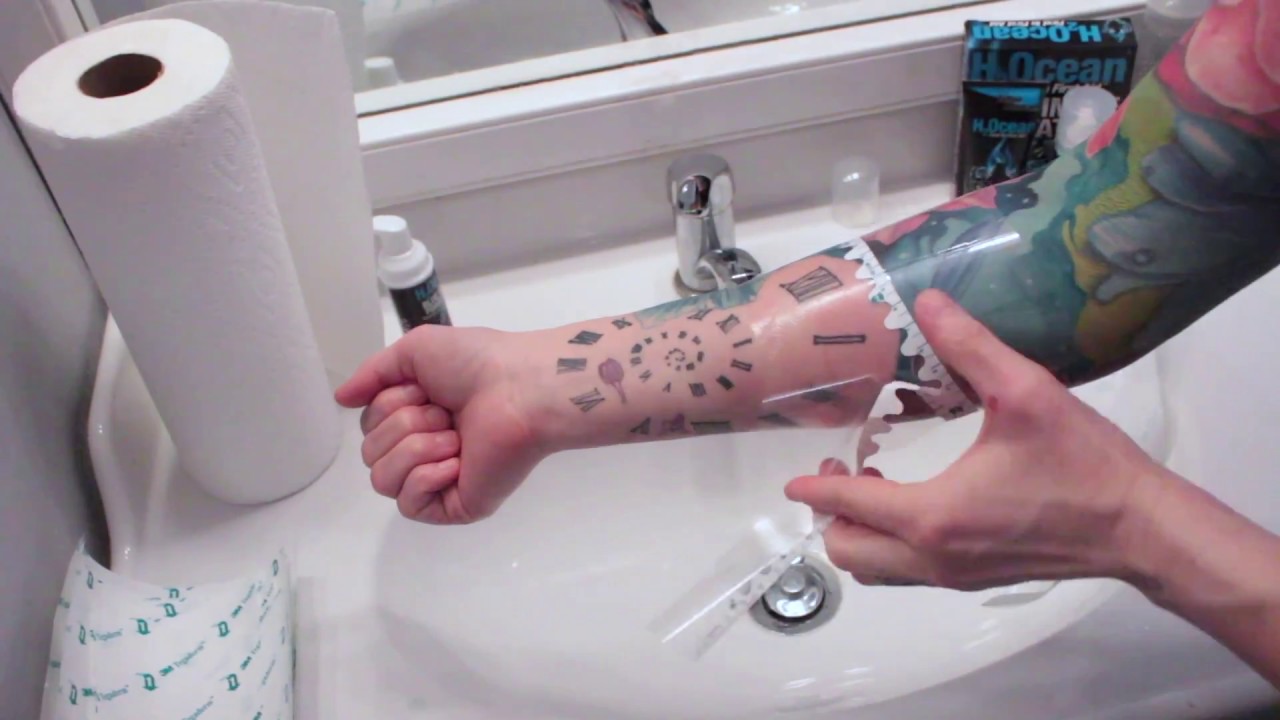
Following the professional aftercare instructions is the most crucial step in the removal of tattoos. Keeping the treated skin site as clean as possible, avoiding the sun, and avoiding scratching or peeling scabs off are all considerations in the healing of the skin. Failure to follow aftercare instructions can cause scarring, infection, or lead to the tattoo fading. The work invested in taking care of the skin assures easier healing and a better result. For others, aftercare is a habit, and the reminder that the process is not yet complete and each step brings them closer to clear skin once again. It is also at this point that the unwavering commitment to the process is tried.
The emotional side of the journey
Pain is not just physical in the context of tattoo removal. There is also an emotional dimension to it, where each session of fading is a relief and closure for some, yet reopening memories associated with the tattoo for others. Healing is not merely skin healing but also emotional development. Accepting the pain and the time factor allows individuals to appreciate the decision they made. As the sessions progress, most find the process is just as much about advancing in life as it is about erasing ink from the body.
Results and reflections over time
As weeks pass by and more treatment is administered, the tattoo lightens noticeably. This stage is one of conflicted emotions—joy at seeing the design disappear and occasionally frustration at how long it takes to take complete effect. The skin will slightly alter in texture or colour.
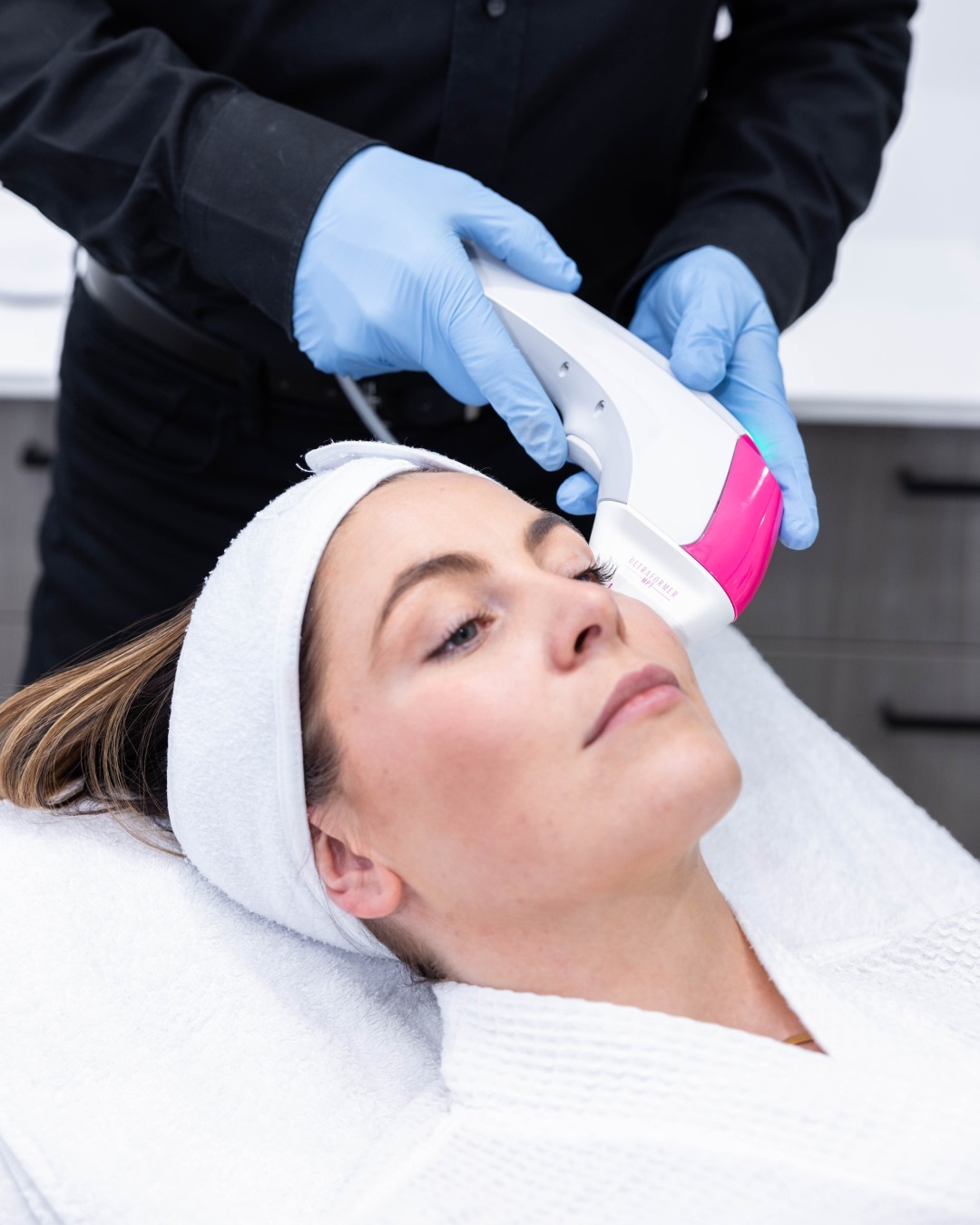
Still, through determination, many achieve a natural appearance once more. This period of reflection includes appreciation for having chosen to do so and perseverance shown in the procedure. For those who also consider cosmetic treatments, viewing Ultraformer MPT before and after pictures gives an idea of how technology helps skin to adapt, although the intent with tattoo elimination is always on incremental healing.
Living with the last result
When the tattoo is removed or is so soft that it can't be seen, relief is total. The pain, the exaggerated healing time, and the rigid aftercare are all worth it in the end. Some will perceive a faint underlying colour or shadow, while others regard the skin as a clean slate. It's clear that the process is both letting go of ink and embracing change. Even the suffering in the process serves to shape how people see the experience, and therefore, that suffering is a part of their transformation on an individual level. For some people, that is also what makes laser tattoo removal one of the safest options to bid farewell to unsightly tattoos in a secure way.
In conclusion, the tattoo removal itself is a spectrum of pain, healing, and diligent aftercare. Each step has its drawbacks, but it has its silver linings that make it so worth it. The treatments themselves are painful, healing is difficult, and aftercare is labour-intensive, but the payoff is being free of a marking that no longer defines who the person is today. The body sorts itself out in the long run, the ink wears off, and both body and mind move on. The process shows that actual change is sometimes realised by suffering through the pain, but that the reward is always worth it in the end.