In the ever-evolving world of digital marketing, platforms like Instagram, TikTok, and YouTube often steal the spotlight. Yet, quietly thriving behind the scenes is Pinterest—a visual search engine that continues to deliver impressive marketing results for businesses worldwide. Far from being just a digital inspiration board, Pinterest has transformed into a dynamic marketing tool driving traffic, conversions, and brand awareness like never before.
Pinterest marketing is not just about sharing aesthetically pleasing images; it’s about creating a strategic visual experience that connects with audiences’ aspirations and interests. The platform now has over half a billion active users, most of whom use it intentionally—to plan purchases, gather ideas, and make decisions. In this way, Pinterest serves as both an inspiration hub and a conversion driver for brands across industries.
Understanding the Pinterest Audience
The first step to succeeding on Pinterest is understanding its audience. The majority of Pinterest users are female (around 60%), but the number of male and Gen Z users continues to rise significantly each year. What makes Pinterest users particularly valuable is their mindset—they come to the platform with a discovery-oriented attitude. Unlike traditional social media browsers, Pinterest users are planners. They want to find ideas, products, or solutions to act upon, often leading to higher intent and conversion rates.
A key statistic that marketers love about Pinterest is that more than 80% of users make a purchase based on the content they see. This means brands have a golden opportunity to influence consumers when they are open, curious, and ready to buy.
Setting Up a Business Profile
To market effectively on Pinterest, a business account is essential. A Pinterest business profile offers access to analytics, advertising tools, and features like Rich Pins that automatically update information from your website. Start with professional branding—use a clear logo, write an engaging bio with relevant keywords, and add a trackable link to your website or storefront.
Your boards and pins should reflect your brand’s personality and niche. Whether you sell home décor, fashion accessories, software solutions, or travel experiences, the key is to curate boards that match your target audience’s interests while subtly promoting your products or services. A well-organized Pinterest page appeals to users the same way a beautifully designed store window does—it invites browsing and inspires engagement.
The Power of Visual Storytelling
Visual content is the backbone of Pinterest. Every image, graphic, and video should tell a story. High-quality photography, consistent branding colors, and readable overlay text are essential. Vertical images with a 2:3 aspect ratio generally perform best, as they take up more screen real estate and grab attention quickly.
Don’t overlook Pinterest videos—short clips have become incredibly powerful for engagement. Whether you showcase a product tutorial, a styling tip, or a quick recipe, videos have a higher chance of reaching new audiences through Pinterest’s algorithm. Pairing captivating visuals with strong titles and keyword-rich descriptions will make your content more discoverable.
Leveraging SEO for Pinterest Success
Pinterest works like a search engine, which means SEO (Search Engine Optimization) is vital. Use relevant keywords in your pin titles, descriptions, and board names. Research trending terms using Pinterest’s search bar—the autocomplete feature provides insight into what users are actively looking for.
Add hashtags sparingly, but strategically. Instead of flooding pins with tags, focus on a few meaningful ones. For example, a home décor brand might use “#interiordesign,” “#bohohome,” and “#DIYdecor.” The key is to think like a searcher: what terms would your ideal customer type?
Rich Pins can also give you a boost. They automatically sync information such as pricing, availability, or recipe details from your website, making your pins more informative and clickable.
Integrating a Consistent Content Strategy
Consistency is essential on Pinterest. Regular pinning builds momentum and signals activity to Pinterest’s algorithm. Use tools like Tailwind or Pinterest’s native scheduler to maintain a steady posting schedule.
Mix original pins (content created by your brand) with curated pins (relevant content from others in your niche). This approach adds value for followers and positions your brand as an authority within your industry. Seasonal content also performs well—plan pins months in advance of holidays or major events to catch search trends before they peak.
Consider creating guided boards, such as “Holiday Gift Ideas” or “Small Business Productivity Hacks.” These not only attract followers but also encourage users to revisit your profile as a resource.
The Importance of Pinterest Analytics
Pinterest Analytics provides valuable insights into what’s working and what’s not. You can track metrics like impressions, saves, link clicks, and audience demographics. Look for trends in content performance, such as what type of imagery or topics resonate most.
If certain pins perform particularly well, promote them using Pinterest Ads. The advertising platform allows precise targeting based on interest, keywords, and demographics. This can significantly amplify your reach and conversions, especially for eCommerce and lifestyle brands.
Enhancing Your Visual Strategy with Tools
Several tools can elevate your Pinterest efforts. Platforms like Canva and Adobe Express make designing professional pin templates simple. By creating a consistent layout style, users begin to recognize your brand immediately.
For video content, tools like CapCut or InVideo allow easy editing, trimming, and adding captions. And when analyzing trends, keep track of competitors’ pins, formats, and engagement rates to refine your own approach.
Using Pinterest Video Downloader – PPIN
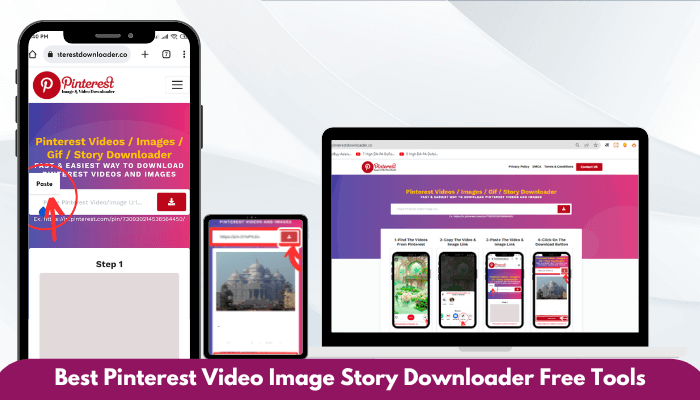
For marketers who want to study successful Pinterest videos in detail, Pinterest video downloader – PPIN can be a helpful tool. It allows creators to download high-quality Pinterest videos for offline inspiration, content analysis, and mood board curation. By observing what makes viral pins perform well—like pacing, color schemes, or storytelling—users can craft their own content with more precision. However, marketers should ensure they respect copyright guidelines and use downloaded content strictly for research or fair use.
Building a Community
Engagement matters on Pinterest just as much as on any other social platform. Reply to comments, collaborate with other creators, and pin from your community. Group boards remain a great way to connect with like-minded users while expanding your visibility.
When audiences feel seen and valued, they are more likely to save your pins and share them with others. Over time, this builds credibility and loyalty—two essential ingredients for long-term brand growth.
Conclusion
Pinterest marketing continues to be one of the most underrated yet high-impact strategies in the digital landscape. It combines the best of social engagement, content discovery, and SEO-driven visibility. By understanding your audience, optimizing for search, maintaining a consistent aesthetic, and leveraging tools like Pinterest video downloader – PPIN, you can unlock the platform’s full potential. Whether you’re a small business or a global brand, Pinterest offers a creative and profitable way to grow your presence one pin at a time.