


As the Irish winter sets in with its damp chill and unpredictable weather, homeowners across the country begin to feel the pinch—not just from the cold, but from rising energy bills. While central heating systems and insulation play a major role in keeping homes warm, there’s a surprisingly simple and cost-effective solution that’s often overlooked: rugs. Whether you live in a modern apartment in Dublin or a traditional cottage in Galway, adding the right rug can help reduce heating costs while enhancing the comfort and style of your space.
In this blog, we’ll explore how rugs contribute to energy efficiency, the best types of rugs for Irish homes, and practical tips for maximising their warmth-retaining benefits.
Why Rugs Matter in Irish Homes
Ireland’s climate is famously mild but damp, with winters that bring cold winds, rain, and occasional frost. Homes with tiled, hardwood, or laminate flooring can feel particularly cold underfoot, and these surfaces often allow heat to escape more easily. According to experts, floors made of tile, hardwood or concrete tend to have low thermal resistance, meaning they’re poor insulators.
This is where rugs come in. Rugs act as a barrier between your feet and the cold floor, helping to retain heat and reduce the need for constant heating. In fact, rugs can significantly reduce heat loss through the floor, making rooms feel warmer and more comfortable.
How Rugs Help Lower Heating Costs
Here are the key ways rugs contribute to energy savings in Irish homes:
1. Thermal Insulation
Rugs add an extra layer of insulation to your flooring. This is especially important in older Irish homes where underfloor insulation may be lacking. A thick rug traps warm air and prevents cold air from rising, helping to maintain a stable indoor temperature.
2. Reduced Heat Loss
Hard flooring materials like stone, tile, and wood are notorious for allowing heat to escape. Rugs help to block this heat transfer, keeping warmth inside the room and reducing the need to crank up the thermostat.
3. Comfort Underfoot
Cold floors can make a room feel chilly even if the air temperature is warm. Rugs provide a soft, warm surface that makes walking barefoot or sitting on the floor more pleasant—especially in bedrooms and living rooms.
4. Zoning and Heat Retention
Large rugs can help define zones within open-plan spaces, concentrating warmth where it’s needed most. For example, placing a rug under your seating area helps trap heat around the sofa, making the space feel cosier without heating the entire room.
Best Rug Types for Irish Winters
Not all rugs are created equal when it comes to warmth and insulation. Here are some of the best options for Irish homes:
Wool Rugs
Wool is a natural insulator and one of the best materials for retaining heat. It’s soft, durable, and naturally flame-resistant. Wool rugs are ideal for high-traffic areas and provide excellent warmth during the colder months.
Explore premium wool options at RugShop.ie and find the perfect fit for your home.
Shaggy Rugs
Shaggy rugs feature long, plush fibres that trap heat and add a luxurious feel to any room. They’re perfect for bedrooms and lounges where comfort is key.
Browse cosy shaggy styles in the full rug collection.
Flat-Weave Rugs with Underlay
While flat-weave rugs are thinner, pairing them with a thermal underlay can significantly boost their insulating power. This combination is great for hallways and kitchens where you want warmth without bulk.
Where to Place Rugs for Maximum Impact
Strategic rug placement can make a big difference in your home’s energy efficiency. Here’s where to focus:
1. Living Room
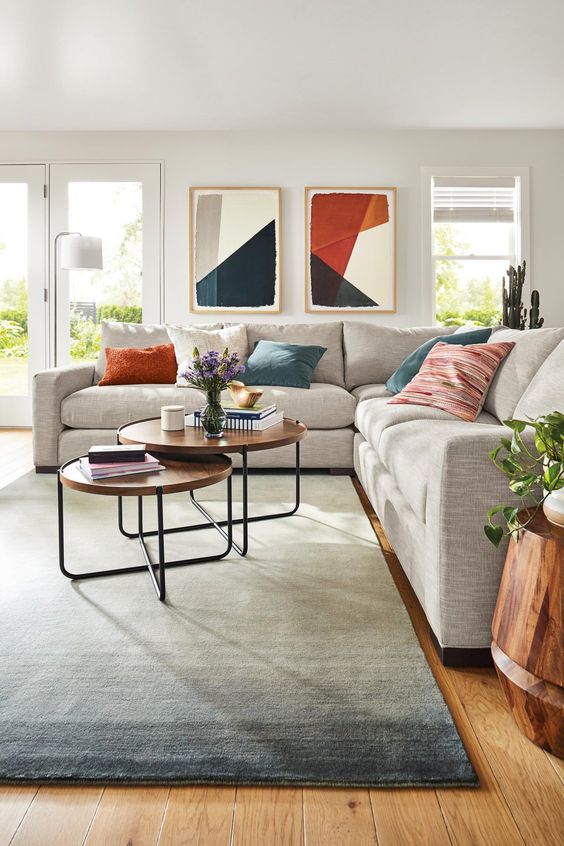
Place a large area rug under your seating arrangement to trap heat and create a warm, inviting space. Choose a rug that extends beyond the furniture to maximise coverage.
2. Bedroom
A rug under the bed ensures your feet land on something soft and warm every morning. Extend the rug at least 60cm beyond the bed for optimal comfort.
3. Hallways
Runner rugs in hallways help prevent heat loss in these transitional spaces. They also add style and reduce noise.
4. Kitchen
Use washable rugs or mats in the kitchen to insulate against cold tiles. Choose materials that are easy to clean and resistant to spills.
5. Bathroom
Bathrooms can feel especially cold in winter. A small rug or bath mat adds warmth and comfort, especially on tiled floors.
Cost vs Savings: Are Rugs Worth It?
While rugs do require an upfront investment, the long-term savings on heating bills can be substantial. By reducing heat loss and improving thermal comfort, rugs allow you to lower your thermostat without sacrificing warmth.
Let’s break it down:
- Average cost of a quality rug: €100–€300
- Potential annual savings on heating: €50–€150 (depending on home size and insulation)
- Added benefits: Improved comfort, style, and noise reduction
- In essence, rugs offer a multi-functional solution that pays for itself over time.
Maintenance Tips for Winter Rugs
To keep your rugs performing well throughout the winter, follow these simple care tips:
- Vacuum regularly to remove dust and debris.
- Rotate rugs every few months to ensure even wear.
- Use rug pads to prevent slipping and add extra insulation.
- Spot clean spills promptly to avoid staining.
- Air out rugs occasionally to prevent moisture build-up in damp Irish climates.
Where to Buy Rugs in Ireland
Looking for the perfect rug to warm up your home this winter? RugShop.ie offers a wide selection of styles, sizes, and materials to suit every taste and budget. Whether you’re after a plush shaggy rug for your lounge or a durable wool runner for your hallway, you’ll find it in their full collection.
Final Thoughts
Rugs are more than just decorative accents—they’re practical tools that help reduce heating costs, improve comfort, and enhance the aesthetic of your home. In the context of Irish winters, where damp and cold are constant companions, investing in quality rugs is a smart and stylish way to stay warm without breaking the bank.
So before you reach for the thermostat this season, consider laying down a rug instead. Your feet—and your wallet—will thank you.