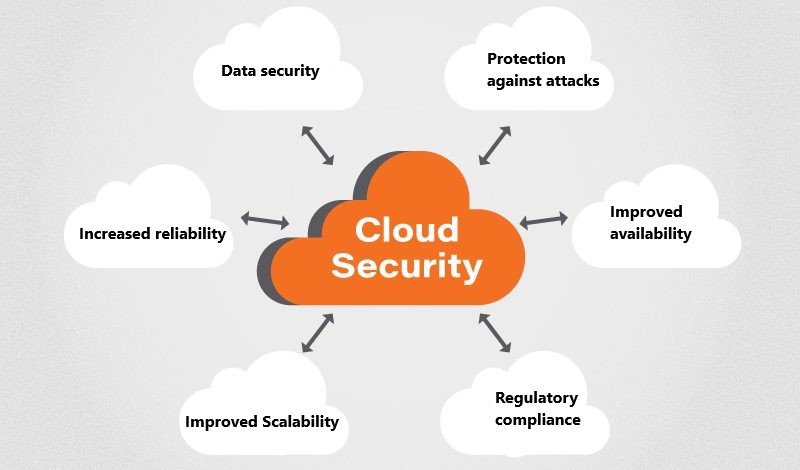


Cloud environments are dynamic, sprawling, and prone to misconfigurations that can lead to costly breaches. Manually securing resources like servers, databases, or storage buckets across platforms like AWS or Azure is a losing battle as teams scale. Terraform, an infrastructure-as-code (IaC) tool, automates cloud provisioning with security baked in, saving time and reducing errors. Here’s why investing in Terraform for cloud-security automation is a smart move for teams looking to stay secure and efficient.
1. Consistent and Repeatable Security Configurations
Terraform lets teams define cloud infrastructure networks, IAM roles, encryption settings in code, ensuring every deployment follows the same security rules. No more rogue S3 buckets left public due to human oversight. For example, you can script a policy that enforces encryption on all storage or restricts public access by default. These templates, stored in version control like Git, create a single source of truth, making audits a breeze.
Consistency cuts risk: Studies show misconfigurations cause 80% of cloud breaches. Terraform’s declarative approach lets you apply vetted security baselines across environments, from dev to production. Teams can reuse modules for common setups, like secure VPCs, slashing setup time while enforcing standards like least privilege access.
2. Faster Detection and Remediation of Vulnerabilities
Manual security checks can’t keep up with rapid deployments. Terraform integrates with tools like Checkov or Terrascan to scan IaC files for vulnerabilities before resources are even created. For instance, a scan might flag an overly permissive IAM role or an unencrypted database, letting you fix it in code rather than after deployment.
Automation also speeds up remediation. If a new threat emerges like a weak encryption protocol you can update your Terraform scripts and redeploy across all environments in minutes. Pair this with CI/CD pipelines (e.g., GitHub Actions), and you’ve got real-time security checks that catch issues early, reducing exposure and manual rework.
3. Scalability and Cost Efficiency with Less Overhead
As cloud usage grows, so does complexity. Terraform’s modular design scales effortlessly, letting teams manage thousands of resources across multi-cloud setups without adding headcount. You can define a secure baseline for AWS, Azure, or Google Cloud in one repo, then tweak it for specific projects, like adding KMS keys for sensitive workloads.
This efficiency saves money. Automated provisioning avoids overprovisioned resources like oversized EC2 instances that inflate bills. Plus, catching misconfigurations pre-deployment prevents costly breaches, which can average $4 million per incident. Teams also spend less time on repetitive tasks, freeing up developers to focus on building features rather than chasing security fixes.
Final Thoughts
Investing in cloud-security automation with Terraform transforms how teams manage risk. By ensuring consistent configurations, catching vulnerabilities early, and scaling without added costs, it delivers security that keeps pace with growth. Start small automate a single VPC or IAM policy then expand as you see the benefits. With Terraform, you’re not just securing your cloud; you’re building a foundation for faster, safer innovation that pays off in reliability and trust. Check out Secure My ORG for cybersecurity-related services.