Storytelling is one of the most powerful tools for shaping a child’s imagination, emotions, and communication skills. From classic fairy tales to modern picture books, stories help children understand the world and express themselves creatively. Today, technology has made storytelling even more exciting. With the help of artificial intelligence, parents, educators, and storytellers can now create custom story characters that look and act just as they imagine.
AI-powered storytelling tools make it possible to design consistent and engaging characters for every story, helping children connect more deeply with the narratives they love. This article explores how AI assists in character creation, why it matters for children’s learning, and how you can use it effectively and safely.
The Role of Characters in Children’s Stories
Every memorable story begins with characters that feel real and relatable. Children form emotional connections with characters who reflect their own feelings, challenges, and dreams. Consistent and well-designed characters also encourage children to follow storylines, recognize behavior patterns, and develop empathy.
According to Reading Rockets, well-crafted characters help children understand emotions and motivations, building a foundation for social-emotional learning. Research by the American Psychological Association (APA) also suggests that storytelling can improve a child’s emotional intelligence and perspective-taking skills.
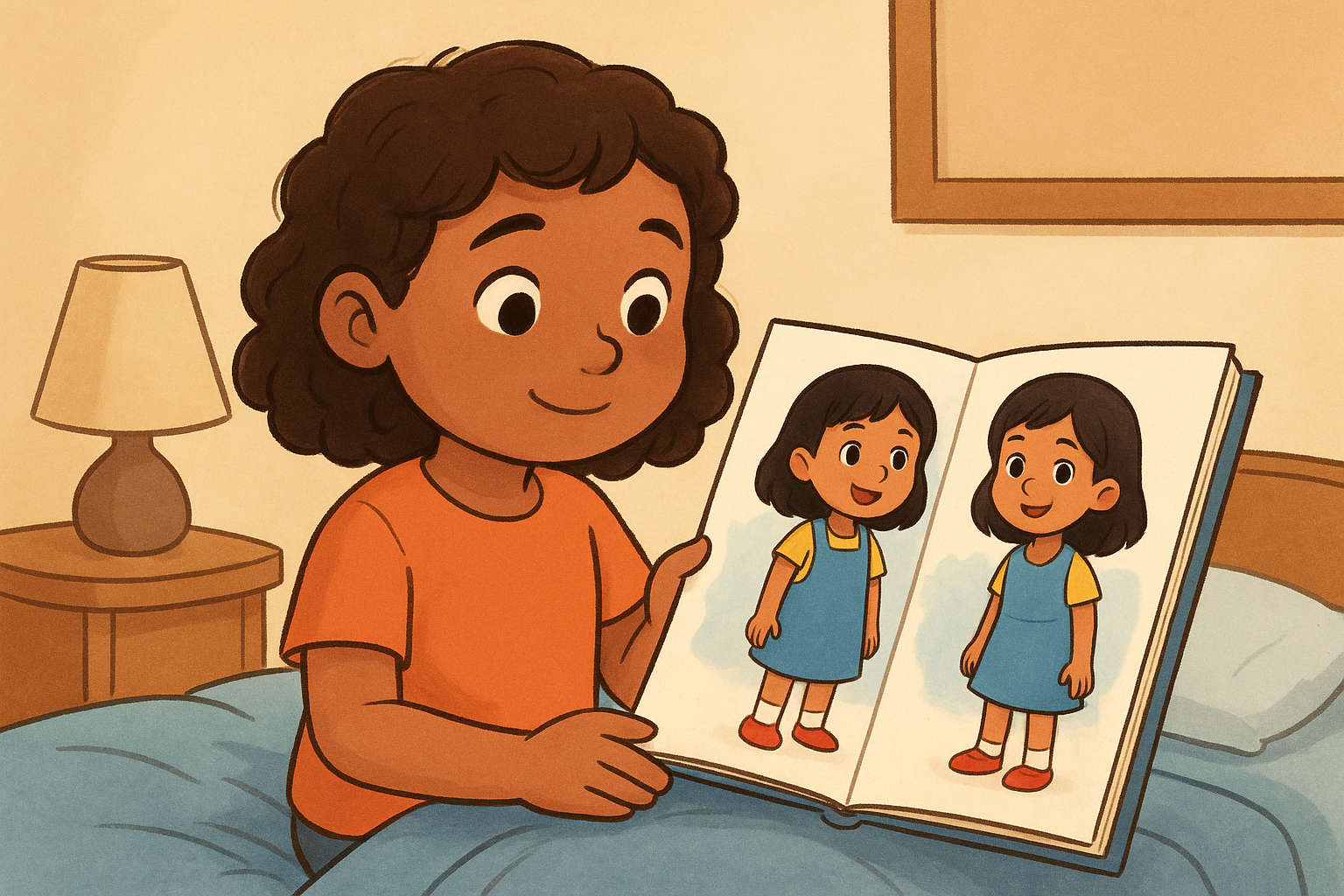
When stories feature characters who appear in multiple tales, children are more likely to stay engaged and remember key lessons. This is where AI can play a vital role by allowing creators to maintain character consistency and personality traits across stories.
What Is AI-Powered Character Creation?
AI-powered character creation refers to the use of artificial intelligence to design and generate story characters based on descriptions or prompts. These AI systems combine text generation and image creation technologies to bring ideas to life in both visual and narrative form.

Modern storytelling platforms use natural language processing (NLP) and generative AI models to create characters that match specific traits such as age, appearance, personality, and voice. The concept of a consistent character story app means that once you design a character, the same design and personality can appear across multiple stories, keeping the experience familiar and cohesive for young readers.
AI doesn’t replace creativity—it enhances it. It gives storytellers the tools to create unique characters quickly, so more time can be spent crafting meaningful plots and teaching valuable lessons.
Why Parents and Educators Use AI for Storytelling
Parents, teachers, and even gift buyers are increasingly turning to AI storytelling tools for their unique ability to make learning fun and personal.
For parents, AI makes bedtime stories interactive and customizable. They can create story characters that look like their children or resemble their favorite heroes, making storytelling time more engaging and emotionally rewarding. Educators use AI storytelling tools in the classroom to design reading materials that align with lesson themes or promote social-emotional learning.
Gift buyers can also use AI-generated stories to create personalized books that make memorable, one-of-a-kind presents. A study by Edutopia found that personalization in education enhances student engagement and motivation, showing that stories tailored to a child’s interests can boost learning outcomes.
When used responsibly, AI in storytelling supports creativity, literacy, and inclusivity, offering children a chance to see themselves represented in the stories they read.
How to Create Custom Story Characters with AI
Creating your own AI-generated story character is simple, creative, and enjoyable. You do not need any design or programming skills to start.
First, choose an AI storytelling or character creation tool that focuses on family-friendly, educational storytelling. Then describe your character using clear traits such as name, age, appearance, interests, and personality. You can also add background details like where they live, what they dream about, and who their friends are.
After entering these details, the AI will generate an image or description that matches your vision. Once your character is ready, use the platform’s story creation features to include them in your tales. Many platforms now allow you to save and reuse characters to maintain consistency across stories.
This helps your child recognize their favorite character in different storylines, creating a sense of familiarity and anticipation. You can also adjust story tone and vocabulary to fit your child’s reading level or classroom needs.
To ensure a positive and safe experience, focus on using AI tools that follow privacy and content guidelines suitable for children. Avoid sharing personal data or identifiable information in story prompts.
Tips for Ensuring Educational and Emotional Value
AI storytelling can be more than just entertainment. It can also become a valuable learning tool if used thoughtfully. When designing stories, make sure that characters promote empathy, kindness, and inclusion.
You can align stories with educational goals such as improving reading comprehension, emotional intelligence, and vocabulary development. According to UNICEF, storytelling is one of the most effective ways to help children understand diversity and build tolerance.
Educators can use AI-generated characters to create classroom discussions around moral values or to simulate real-life social situations in a safe and creative way. Parents can use AI stories to start conversations about emotions, friendship, or problem-solving.
The key is to combine technology with human guidance. AI can generate content, but adults provide the emotional connection and context that make storytelling meaningful.
The Future of Storytelling with AI
The future of children’s storytelling is bright and full of possibilities. AI is opening doors to personalized learning, adaptive storylines, and multilingual storytelling. Soon, children may be able to talk directly with their favorite characters through voice-based AI or augmented reality.
However, human creativity will always remain at the heart of storytelling. AI serves as a creative partner that helps bring ideas to life more efficiently, not as a replacement for imagination. Parents and teachers will continue to play a vital role in guiding how these tools are used and ensuring that stories remain enriching and safe.
Frequently Asked Questions
Q1: Can AI really create consistent story characters for kids?
Yes. AI storytelling tools use advanced algorithms to maintain consistent visuals and personality traits across stories, ensuring character continuity that children recognize and love.
Q2: Is AI storytelling safe and age-appropriate?
Reputable AI tools designed for children follow strict content guidelines. Parents and educators should always review generated stories before sharing them to ensure they align with educational values.
Q3: How do teachers use AI characters in classrooms?
Teachers use AI-generated stories to explain topics, teach empathy, and encourage creative writing. It helps make lessons more relatable and interactive.
Q4: What makes AI-generated stories different from traditional books?
Traditional books are static, while AI stories can adapt to a child’s preferences, reading level, or emotional state, making the experience more personalized.
Q5: Will AI replace human creativity in children’s literature?
No. AI is a tool for inspiration and support. Human imagination remains essential in crafting meaningful, emotionally rich stories.
Conclusion
Artificial intelligence is reshaping the way stories are told and experienced. For parents, educators, and creators, AI makes it easier than ever to build custom story characters that inspire learning and imagination.
By combining technology with thoughtful storytelling, adults can nurture children’s creativity and emotional growth while keeping stories consistent, engaging, and safe. The future of storytelling lies not in machines replacing humans, but in collaboration—where imagination meets innovation to create endless possibilities.