


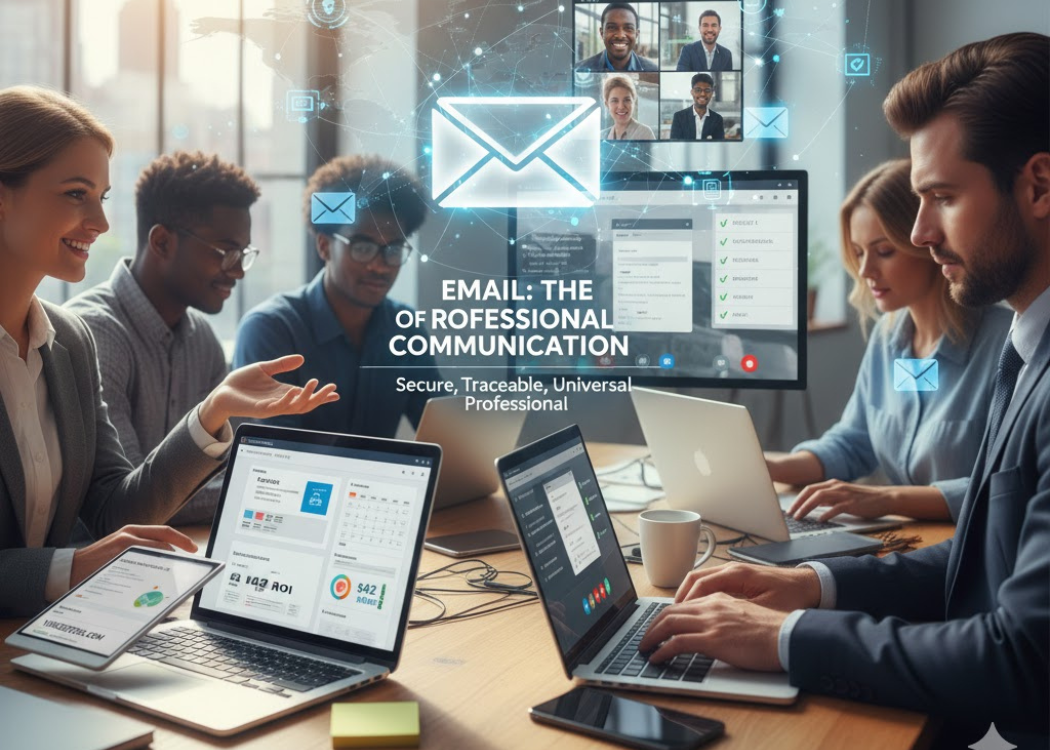
In today’s fast-moving digital world, it’s easy to get caught up in the latest messaging platforms, AI tools, and collaboration apps. Yet, when it comes to business communication, one classic channel continues to outperform all others: email. It’s professional, secure, traceable, and universally accepted.
Whether you’re a startup owner or a corporate executive, email is where most meaningful business conversations begin and end. From client proposals to internal updates, it remains the most reliable and credible medium in the professional world. Let’s explore why email continues to dominate business communication even in this era of constant digital evolution.
1. The Unshakable Relevance of Email
The numbers speak for themselves. Email isn’t going anywhere. With over 4 billion active users globally, it’s still the primary communication tool for businesses worldwide. While apps like Slack, Teams, and WhatsApp are great for quick chats, they can’t match the structure and professionalism that email brings to the table.
Every business conversation needs accountability, clarity, and proof, all of which email provides effortlessly. When you send an email, it becomes part of an official record. This documentation is invaluable for follow-ups, project tracking, and client transparency. Simply put, email gives communication a level of formality that no instant messaging app can offer.
2. A Symbol of Professionalism and Trust
In business, perception matters. A well-written email with your company’s domain instantly signals credibility. Compare that to an unverified message from a personal or social media account and there’s no contest. A professional email address (like contact@vinzotech.com) builds confidence in your brand from the very first interaction.
Email also allows you to present yourself and your business in a polished way. A clear subject line, structured content, and a professional signature with contact details and branding make your communication more trustworthy and authoritative. For clients and partners, this level of professionalism makes all the difference.
3. Email: Still the King of Marketing
When it comes to marketing, email remains one of the most cost-effective and result-driven channels. Studies consistently show that email marketing delivers one of the highest ROIs, as much as $42 for every $1 spent. The reason? It’s direct, personal, and permission-based.
Unlike social media algorithms that decide who sees your post, an email lands directly in your audience’s inbox. This gives businesses total control over their message delivery. From product launches to newsletters, promotions, and brand updates, email lets companies connect with customers on a personal level, driving both trust and sales.
4. Security, Privacy, and Compliance
In an age where data protection is a top priority, email remains one of the most secure channels for official communication. Modern email systems come equipped with encryption, spam filters, and advanced threat protection to safeguard sensitive information.
For regulated industries like healthcare, finance, and law, email is not just convenient, it’s essential. It provides a clear, documented trail that supports compliance with standards such as GDPR and HIPAA. When it comes to ensuring privacy, email continues to outperform most messaging tools.
5. Accessible, Organized, and Universal
One of email’s biggest advantages is that it’s universally recognized. Every app, website, and platform asks for an email address, making it the foundation of your digital identity. Whether you’re accessing your inbox from a laptop, tablet, or smartphone, your messages are always synced and available.
Email also excels in organization. Threads, folders, labels, and search functions make it easy to manage long conversations or locate specific details. Businesses rely on this structure for archiving and referencing, especially during audits, client reviews, or performance evaluations.
No matter where you work from, the office, home, or halfway across the world, email ensures seamless and professional communication.
6. A Smart Tool for Collaboration
Modern email isn’t limited to sending and receiving messages. It’s now a powerful collaboration tool integrated with cloud platforms, calendars, and customer relationship management (CRM) systems. Teams can schedule meetings, share documents, assign tasks, and track updates, all within their email ecosystem.
When linked with a CRM system, every customer interaction via email becomes part of a larger record. This helps sales and marketing teams stay aligned and offer personalized experiences. Add AI-powered automation to the mix, and businesses can streamline their workflows, schedule follow-ups, and nurture leads without missing a beat.
7. Email vs. Instant Messaging: Why Email Wins
While instant messaging apps have their place in daily communication, they often lack formality and structure. Chats are quick and casual, perfect for internal team updates, but when you need to send a contract, confirm a deal, or share sensitive information, email is the right medium.
Here’s why professionals still prefer email:
It creates a permanent record of communication.
It’s formal and respectful, ideal for client interactions.
It ensures security and documentation for future reference.
It’s universally accepted across industries and cultures.
Instant messaging is great for speed. Email is better for clarity and accountability, and in business, those qualities matter most.
8. Building Brand Loyalty Through Email
Every email you send represents your brand. From tone to timing, how you communicate reflects your company’s values. A thoughtful, personalized email shows your clients that you care about their needs.
Prompt replies, polite language, and a consistent email strategy can significantly boost customer satisfaction. Over time, this consistent communication helps build brand loyalty and trust, two pillars that sustain long-term business success.
When your customers see your brand’s name in their inbox, it should inspire confidence, and that’s exactly what a well-managed email system does.
9. The Future of Email in Business
Far from fading, email is evolving to meet modern demands. Artificial intelligence and automation are making it smarter and more efficient. Features like auto-replies, predictive text, sentiment analysis, and scheduling are redefining how professionals use email every day.
As remote and hybrid work become the norm, email continues to serve as the common thread connecting global teams. Its reliability, compatibility, and professionalism ensure it will remain at the heart of business communication for years to come.
Conclusion
In the ever-changing world of digital communication, email stands out as the most stable and effective medium for businesses. It combines professionalism, credibility, and functionality like no other platform. Whether you’re sending a proposal, sharing a report, or nurturing a client relationship, email ensures your message is delivered clearly, securely, and professionally.
Despite the rise of countless new tools, email continues to do what it has always done best: connect people, foster trust, and keep businesses moving forward. For modern professionals, email isn’t just a habit; it’s a business necessity that continues to define how we communicate and collaborate.



As economies re-open in many parts of the world, business leaders are trying to decide the future shape of their workforces — especially those who are now seeing productivity losses after heavy investment in accelerating digital adoption at their organizations.The downward productivity trend after initial gains at the start of the pandemic is becoming a common story.
However, a few companies are seeing progress — specifically, those successful at managing employee time, talent, and energy before Covid-19.
These businesses excel at continued growth, outpacing the rest by 40% in an ever-widening corporate productivity gap.Our article explores how what’s happening parallels the 2008 financial crisis, what the next part of this hype cycle will be, and the pitfalls businesses deciding how to handle their workforces going forward should avoid.