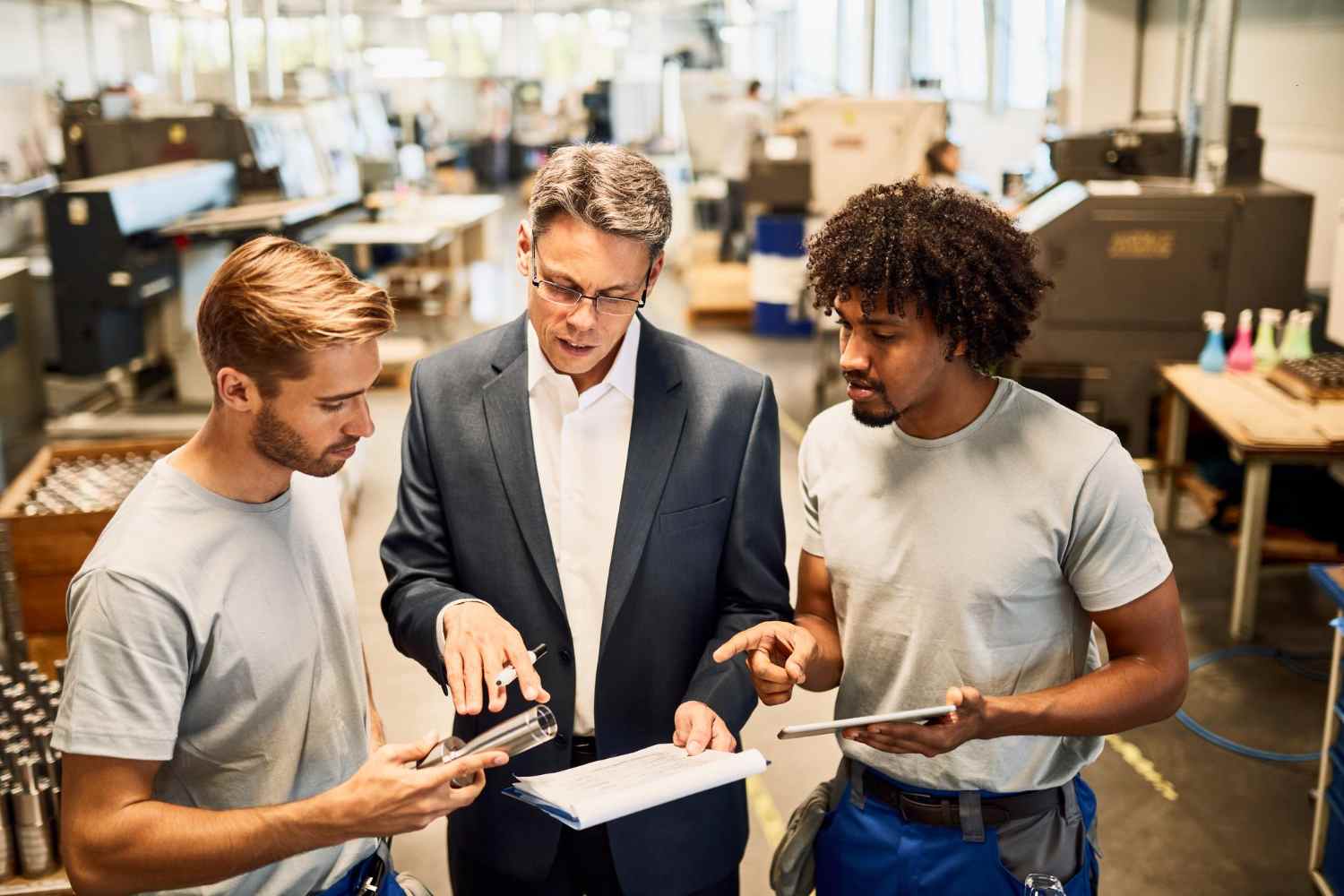
American manufacturing jobs have long been a cornerstone of the nation's economic strength, symbolizing innovation, resilience, and the industrious spirit of the American workforce. In 2025, the sector stands at a pivotal crossroads, shaped by rapid technological advancements, shifting global dynamics, and a renewed focus on domestic production. As the industry adapts to these changes, the nature of American manufacturing jobs is being redefined offering both challenges as well as opportunities for workers, businesses, and policymakers alike.
A Legacy of Strength and Innovation
Historically, American manufacturing jobs fueled the rise of the middle class, offering stable employment, good wages, and upward mobility. From the automotive boom in Detroit to the steel mills of Pittsburgh, manufacturing was not just an economic engine it was a cultural identity. However, over the past few decades, globalization, automation, and offshoring have led to a decline in traditional manufacturing employment, sparking concerns about job loss and economic displacement.
Yet, the narrative is shifting. Recent years have seen a resurgence of interest in revitalizing American manufacturing, driven by national security concerns, supply chain disruptions, and the desire to reduce dependence on foreign production.
The 2025 Outlook: Reshoring and Resilience
One of the most significant trends shaping American manufacturing jobs in 2025 is the movement toward reshoring bringing production back to the United States. The COVID-19 pandemic exposed vulnerabilities in the global supply chains, prompting companies to reconsider the risks of overseas manufacturing. As a result, many firms are investing in domestic facilities to ensure greater control, reliability, and responsiveness.
This shift is not just about location; it's about building a more resilient and agile manufacturing ecosystem. Companies are embracing localized production models, which reduce transportation costs, shorten lead times, and enhance sustainability. These changes are creating new American manufacturing jobs across a range of industries, from semiconductors and pharmaceuticals to electric vehicles and renewable energy.
Technology and the New Skill Paradigm
While the return of manufacturing to U.S. soil is promising, the jobs being created are markedly different from those of the past. Advanced technologies such as robotics, artificial intelligence (AI), hadditive manufacturing (3D printing), and the Industrial Internet of Things (IIoT) are transforming the factory floor. These innovations are boosting productivity and quality, but also demanding a new set of skills from the workforce.
Today's American manufacturing jobs require proficiency in digital tools, data analysis, and systems integration. Workers must be adaptable, tech-savvy, and able to learn continuously. This evolution is driving a growing demand for technicians, engineers, and specialists to operate, maintain, and optimize smart manufacturing systems.
The Workforce Challenge: Bridging the Skills Gap
Despite the growth in opportunities, the manufacturing sector continues to face a persistent skills gap. Many employers report difficulty finding qualified candidates to fill open positions. This gap is particularly acute in small and medium-sized manufacturers (SMMs), which often lack the resources to invest in workforce development https://www.nist.gov/blogs/manufacturing-innovation-blog/whats-coming-us-manufacturing-2025.
To address this challenge, public-private partnerships are emerging as a vital solution. Community colleges, vocational schools, and industry associations are collaborating to design training programs aligned with modern manufacturing needs. Apprenticeships, certification programs, and on-the-job training are helping to equip workers with the competencies required for success in the digital age.
Moreover, there is a concerted effort to diversify the manufacturing workforce. Initiatives aimed at attracting women, minorities, and veterans to the industry are gaining momentum, recognizing that a more inclusive workforce can drive innovation and competitiveness.
Sustainability and Green Manufacturing
Another defining feature of American manufacturing jobs in 2025 is the emphasis on sustainability. As environmental concerns take center stage, manufacturers are adopting greener practices and technologies. This includes energy-efficient machinery, waste reduction strategies, and the use of renewable materials.
Green manufacturing is not only good for the planet—it’s also creating new job categories. Roles in environmental compliance, energy management, and sustainable design are becoming integral to the manufacturing workforce. These positions require a blend of technical knowledge and environmental awareness, further expanding the skill set needed in the industry.
Policy and Investment: Catalyzing Growth
Government policy continues to play a crucial role in shaping the future of American manufacturing jobs. Federal initiatives such as the CHIPS and Science Act and the Inflation Reduction Act are channeling billions of dollars into domestic manufacturing, particularly in strategic sectors like semiconductors, clean energy, and biotechnology.
These investments are not only spurring job creation but also fostering innovation and regional economic development. States and municipalities are also stepping up, offering incentives to attract manufacturers and support workforce training programs.
Looking Ahead: A New Era for American Manufacturing Jobs
As we look to the future, American manufacturing jobs are poised to become more dynamic, diverse, and digitally driven. The sector is shedding its outdated image of monotonous assembly lines and embracing a high-tech, high-skill identity. For workers, this means greater opportunities for career advancement, lifelong learning, and meaningful contributions to national prosperity.
However, realizing this vision requires a coordinated effort from all stakeholders—industry leaders, educators, policymakers, and workers themselves. By investing in people, embracing innovation, and fostering resilience, the United States can ensure that American manufacturing jobs remain a vital and vibrant part of the economy for generations to come.



Are you looking for jobs in manufacturing & operations, then you should visit MyJobSpace, a reliable job search site in New Zealand.
We have thousands openings of manufacturing & operations jobs.
If you want to get a job in manufacturing & operations or any other field then you should visit the MyJobSpace site in NZ to make your job searching easier and you can get the job according to your skills and location.