
Thanks to flexible technology, employee well-being, and sustainability, modern office design is changing quickly. These days, a company's values and environmental commitment are reflected in the workplace, which is more than just comfort or aesthetics. Using sustainable office furniture and eco-friendly materials that encourage both environmental responsibility and productivity is one of the most effective ways to strike this balance.
1. Renewable and Recycled Materials
The selection of materials is where eco-conscious design starts. These days, recycled metal, bamboo, and reclaimed wood are common materials for shelving, desks, and chairs. These materials preserve strength and beauty while lowering the demand for new raw materials. Additionally, furniture with reclaimed or FSC-certified wood has a distinctive, organic appearance that adds cosiness to contemporary office settings.
2. Smart and energy-efficient furniture
Nowadays, sustainability and technology coexist harmoniously. In addition to improving ergonomics, the height-adjustable office desk and desk-height-adjustable models promote energy efficiency. Numerous smart desks come with sensors, power-saving mechanisms, and built-in charging ports to guarantee user comfort and less energy waste.
3. The Development of Desks with Adjustable Workstations
The secret to sustainable design is adaptability. Employees can shift positions throughout the day thanks to the adjustable workstation desk, which promotes improved posture and general wellbeing. Businesses can save money and space by eliminating the need for numerous fixed desks, creating an environment-friendly and productive workspace.
4. Non-toxic coatings and low-impact finishes
Hazardous volatile organic compounds, or VOCs, are frequently released by conventional paints and finishes. Water-based finishes, natural oils, and powder coatings are now used in contemporary sustainable designs because they are safer for the environment and the users. These non-toxic materials help create a healthier work environment and cleaner indoor air quality.
5. Small & Transportable Eco-Friendly Furniture
Adjustable height stands and laptop tables offer ergonomic support for remote and hybrid workers without consuming excessive amounts of materials. These small, eco-friendly solutions are usually constructed from lightweight, recyclable metals or engineered bamboo.
6. Eco-Friendly Upholstery and Fabrics
Fabrics made from hemp blends, organic cotton, or recycled PET bottles are now being used to design chairs and seating. These materials preserve comfort, texture, and durability while reducing their negative effects on the environment.
Office design that incorporates sustainability is not just a fad; it is the way of the future. Businesses can create workplaces that encourage flexibility, health, and environmental stewardship by utilizing eco-friendly materials and ergonomic furniture that can be adjusted. Every design decision contributes to the creation of a smarter, greener workplace, whether it's a laptop adjustable table or an height adjustable office desk

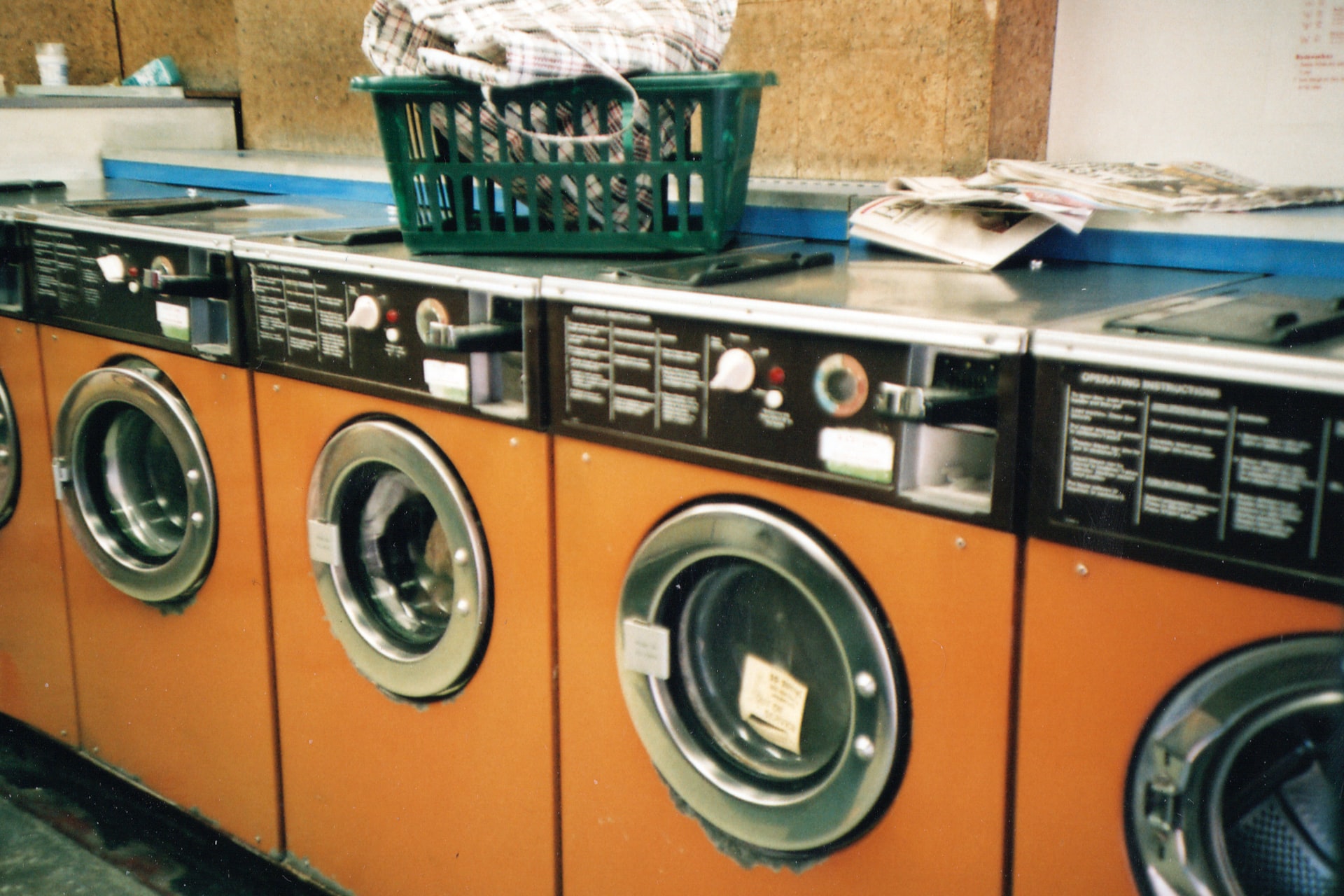
Laundry is a daunting household chore that you have to do frequently.
You will not only save the environment, but you can also save some money.
Make your laundry routine eco-friendly.Observe this laundry routine, it is helpful for the wallet, fabric, and easy to follow.Use Cold Water for Wash CyclesWarm water cycles consume more energy.
Many commercial laundry detergents contain harsh chemicals that can harm the environment, damage your clothes, and irritate your skin.Although fabric softeners help your clothes smell fresh and smooth, it may contain various chemicals that can cause skin allergies and asthma.
Chlorine bleach has the most enduring compound.
It will take several years to disappear.If you wish to treat stubborn stains on your favorite clothes, you can use natural ingredients.