





Working with hollow steel sections or enclosed structures often means dealing with limited access. When you can only reach one side of the connection, choosing the right type of bolt becomes essential for both safety and performance. This is where blind bolts and Hollo Bolts play an important role.
Both are designed to create strong, secure connections when the back of the section cannot be reached. They may look similar at first, but their internal mechanisms and strength levels are quite different.
Understanding how each type works helps engineers, builders, and fabricators choose the most reliable option for every project.
1. Understanding the Basics
Blind bolts are designed for situations where you can only access one side of the material. They are often used in hollow steel sections, box girders, or other areas where reaching behind the connection is not possible. When tightened, the bolt expands or locks on the hidden side, forming a strong hold without needing a nut.
Hollo Bolts are a patented product developed by Lindapter. They serve the same purpose but use a different locking system that provides a more even and secure grip. The bolt’s cone and sleeve expand within the hollow section to distribute pressure evenly. Both fasteners solve the same access challenge, but their internal design and precision make each better suited for specific jobs.

[image: basic diagram showing blind bolt and Hollo Bolt components]
2. How They Work
The main difference between blind bolts and Hollo Bolts lies in how they grip the material. Blind bolts use an internal mechanism that expands or toggles open once the bolt is tightened. This creates a secure anchor on the hidden side, making them practical for structures where there is no rear access.
Hollo Bolts, however, rely on a cone and sleeve system. As the bolt is tightened, the cone moves into the sleeve and forces it to expand evenly inside the hollow section. This design provides consistent pressure across the surface, resulting in a strong and reliable connection.
Because of this engineered expansion, Hollo Bolts are often preferred in structural applications where load performance and certification are important.
3. Installation and Performance
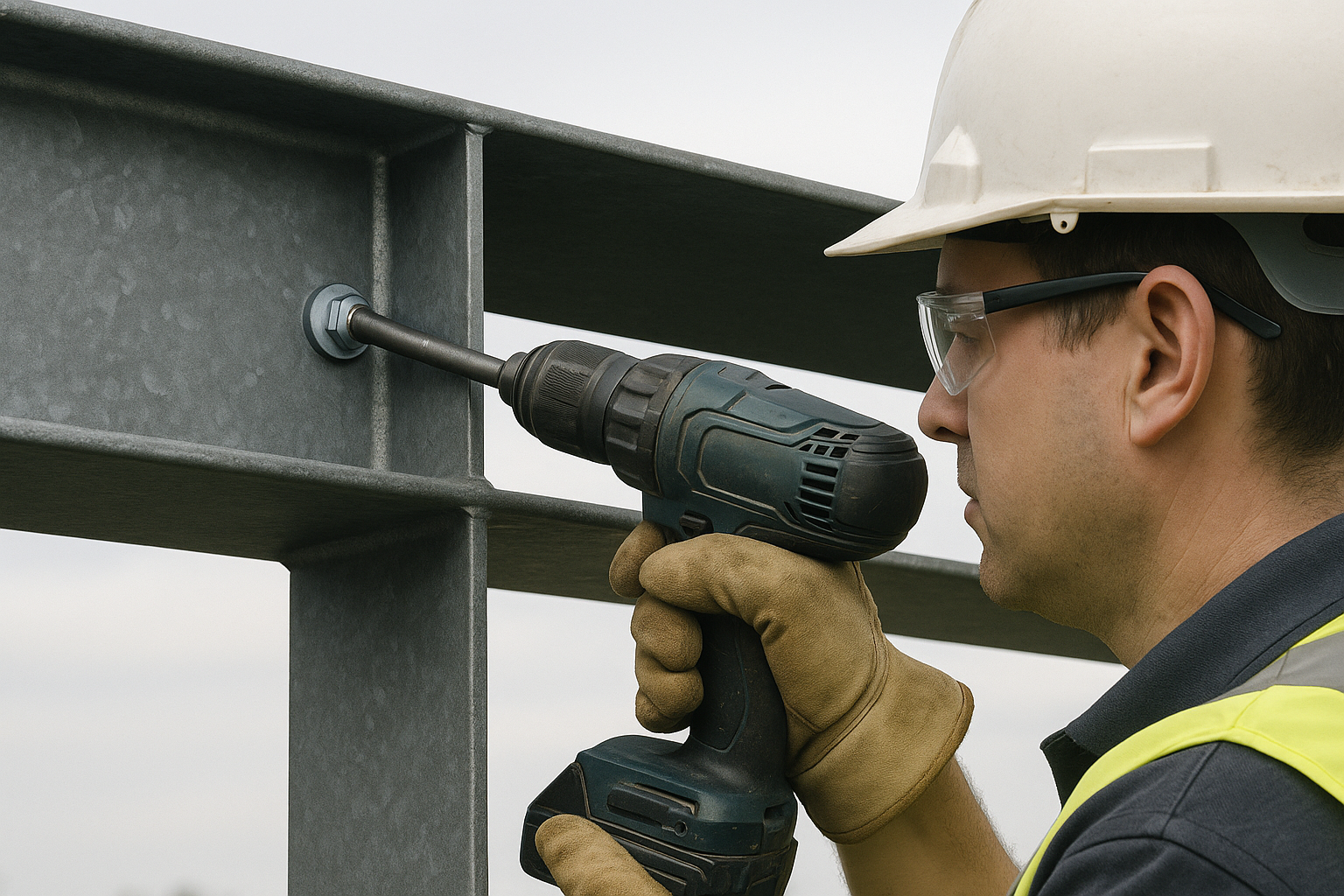
Both blind bolts and Hollo Bolts are designed to save time by removing the need for welding or internal access. They make it possible to fasten materials securely from one side only, which is ideal for hollow or enclosed structures. The main difference comes down to how easy they are to install and the level of performance you can expect.
Blind bolts may require precise alignment and sometimes special tools to make sure the toggle mechanism seats correctly. If not installed properly, the bolt might not reach its full strength. Hollo Bolts are simpler to fit.
They only need a drilled hole and a standard wrench, making installation quick and consistent. Their uniform expansion also provides excellent tension and shear performance, which is why they are trusted for structural steelwork.

[image: worker installing Hollo Bolt into hollow steel beam]
4. Applications and Design Considerations
Blind bolts are used in many industries, from bridge construction to machinery assembly. They are especially useful for maintenance and retrofit work where there is limited access behind the joint. Their flexibility makes them suitable for various materials, including thin-walled sections and composite structures.
Hollo Bolts, on the other hand, are preferred for structural steelwork, especially in hollow sections where welding or through-bolting is not possible. They are often used in:
- Building frames
- Façades
- Roof trusses
- Walkways
- Cladding systems
Before choosing a fastener, check grip range, hole size, and load requirements. Each project is different, so it is best to confirm the correct type and size with a qualified engineer to ensure a safe and compliant connection.
5. Cost and Practical Decision-Making
Cost is often a deciding factor when choosing between blind bolts and Hollo Bolts. Blind bolts are usually more affordable per unit, which makes them appealing for projects with tight budgets or lighter loads. However, they can take longer to install and may need more precision to achieve full strength.
Hollo Bolts cost a little more but are designed for faster installation and consistent performance. Their engineered design and reliable load capacity often make them the better choice for structural connections.
In many cases, the slightly higher price pays off through reduced labour time, improved safety, and proven quality. The best choice depends on the project’s load requirements, installation conditions, and performance expectations.

[image: comparison chart showing cost and installation differences between blind bolts and Hollo Bolts]
6. Which One Should You Choose?
Both blind bolts and Hollo Bolts are excellent solutions for projects involving hollow or enclosed structures. They solve the same access challenge but in slightly different ways. Blind bolts offer flexibility and cost savings for general use, while Hollo Bolts provide certified strength and consistent performance for critical structural work.
If your project involves high loads, demanding safety requirements, or exposure to the elements, Hollo Bolts are often the stronger option. For lighter applications where cost efficiency matters, blind bolts may be the better fit.
Understanding each type’s strengths helps ensure your connections remain reliable, secure, and built to last.
Making the Right Connection
Choosing between blind bolts and Hollo Bolts depends on what matters most for your project, whether it is strength, installation speed, or cost efficiency. Both fasteners are made for one-sided access, but Hollo Bolts stand out for their engineered expansion system that provides consistent strength and proven reliability.
For engineers, builders, and fabricators working with hollow steel sections, Hollo Bolts offer a simple and cost-effective solution. They reduce installation time, eliminate the need for welding, and ensure a secure fit across a range of structural applications.
Choosing the right fixing today helps create connections that are durable, precise, and built to last.

[image: engineer fitting Hollo Bolts into a steel connection]
Frequently Asked Questions (faqs schema)
Are blind bolts and Hollo Bolts interchangeable?
Not always. While both are designed for one-sided access, each fastener has unique performance properties and load ratings. It’s best to confirm the requirements of your project before deciding which system provides the right fit.
Can Hollo Bolts be reused after removal?
No. Hollo Bolts are designed for single-use installation. Once tightened, the expansion mechanism forms a permanent hold. Reusing them could affect the strength and reliability of the connection.
Do Hollo Bolts need regular inspection or maintenance?
Routine visual checks are recommended, especially in outdoor or high-vibration environments. Inspect for movement, corrosion, or damage to ensure the fastener remains secure and performing correctly.
What is the load capacity difference between blind bolts and Hollo Bolts?
Hollo Bolts generally provide higher and more consistent load performance because of their engineered expansion system. However, actual capacity depends on bolt size, material thickness, and installation accuracy.
Can I use Hollo Bolts in galvanised or painted steel?
Yes. Hollo Bolts can be installed through pre-coated or galvanised steel without damaging the surface finish. Always ensure the drilled holes are clean and free from excess coating before installation.
Are there size variations available for Hollo Bolts?
Yes. Hollo Bolts come in different diameters and grip ranges to suit various structural applications. Larger sizes such as M16 and M20 are commonly used in load-bearing connections like trusses and beams.
Are blind bolts suitable for outdoor applications?
Yes, provided they are manufactured with corrosion-resistant finishes such as galvanised or stainless steel. Always select the appropriate material for the environment to ensure long-term durability.


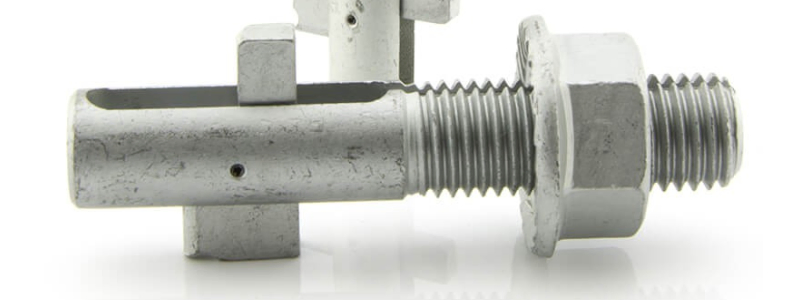
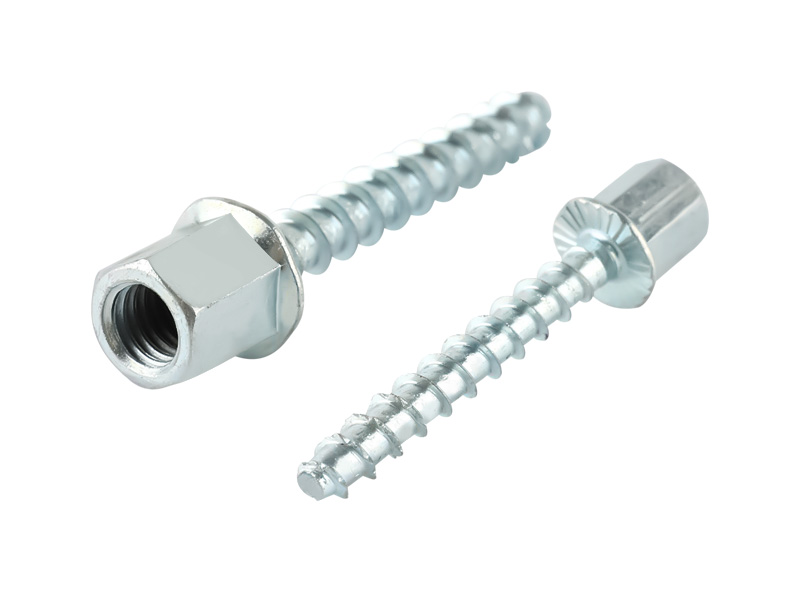
T Bolts Haiyan Yuanyang Standard Piece Co., Ltd is a China wedge bolts manufacturers and cement bolts suppliers, factory offer wholesale wedge bolts, cement bolts for sale
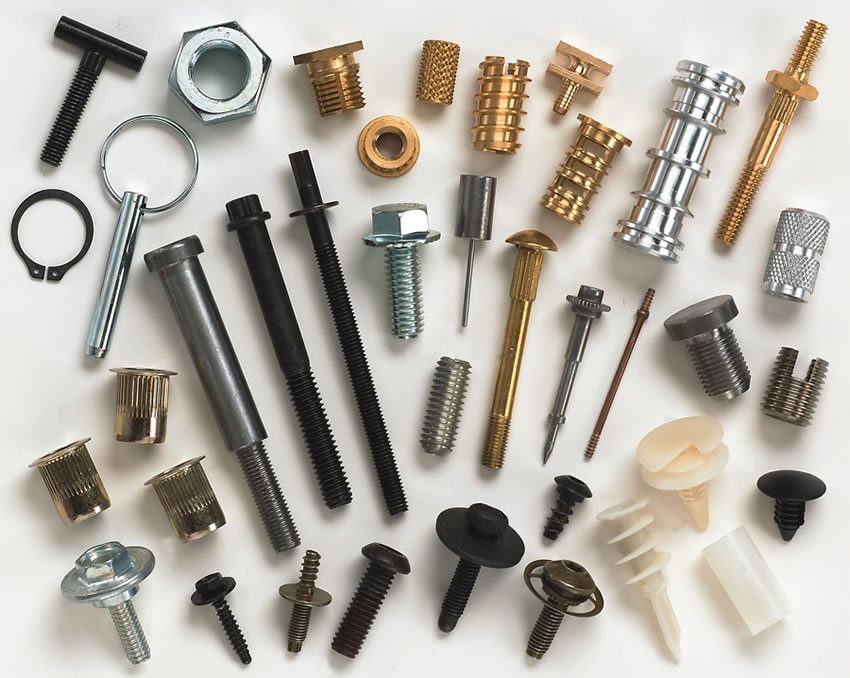
Usha Fasteners manufacture of Hex Bolts And Screws, HSFG Heavy Hex Bolts / Structural Steel Bolt Assembly, Shear Connectors/ Shear Studs With Ceramic Ferrules Studs And Threaded Rods, U Bolts, Anchor Bolts